Leland+ Content Library
Select a category



































Popular on Leland+
Free

BCG Casey Chatbot 7 – Metro Financial Group (UCB)
Practice test 7

Free

BCG Casey Chatbot 4 – Transitz (Mover)
Practice test 4
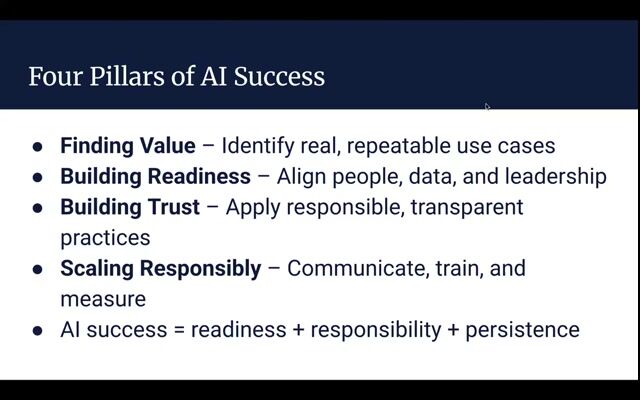
Turning AI Learning into Real Results
Apply course concepts to identify your first pilot and define measurable next steps.

Why AI? Setting the Foundation
Understand the purpose of AI in organizations and how a people-first approach drives lasting value.

World of Frameworks Walkthrough
A walkthrough of World of Frameworks for management consulting.
How AI Helps: From Drafts to Decisions
Learn how AI supports planning, writing, and problem-solving with clear human guardrails and practical examples.

Landing the Interview: Consulting Networking 101
Networking is often the single most important—and most misunderstood—part of landing interviews at top consulting firms. In this session, you’ll learn how to strategically build connections, approach coffee chats with confidence, and leave a lasting impression that translates into interview invites. From emails to LinkedIn outreach to in-person conversations, we’ll break down the practical steps you need to take to stand out. The workshop will be led by Tony C., a Leland coach and former BCG consultant who has helped many candidates successfully navigate the consulting recruiting process. You’ll walk away with clear strategies, actionable templates, and the confidence to make networking one of your strongest assets in recruiting.


AI-Proofing Your Career
Join this session to learn how to manage your career in a world increasingly run by AI. Expert coach Audra Z. will walk through what AI can--and can't--do now and how these trends extrapolate into the future. Then she will dive into what you can do to adapt and stay at the top of your game, including incorporating AI into your workflow, developing/deepening transferable skills, and leaning into the things that we, as humans, do best. This workshop draws on Audra's extensive experience with AI and AI safety communities, including work at xAI, the Center for AI Safety, Cornell Tech, Arkose, and Penn Engineering.


Statement of Purpose Writing Guide & Examples
Learn what separates a good essay from a great one and deconstruct winning SoP essays written by admitted students.


How to Approach the GSB 'What Matters Most' Essay
The Stanford GSB “What matters most to you, and why?” essay is one of the most challenging—and important—prompts in MBA admissions. In this session, you’ll learn how to break down the question, uncover the deeper themes in your own story, and craft a response that is authentic, personal, and compelling. Led by Andy P., a Leland coach who has guided countless applicants to top MBA programs, this workshop will give you practical strategies, real examples, and common pitfalls to avoid. Whether you’re just starting your first draft or refining your narrative, you’ll leave with a clearer framework to tackle this iconic essay with confidence.

Leveraging AI Agents to Grow Your Business
In this panel, experts will answer key questions on how AI agents are transforming business growth. The discussion will cover practical applications—like automating operations, streamlining customer interactions, and uncovering new revenue opportunities—while also addressing challenges and limitations to be aware of. Designed for business leaders and professionals curious about AI’s real-world impact, this session will provide clear takeaways on where AI agents add the most value and what to consider as you integrate them into your strategy.


Product Management Panel: Creating a Standout Candidacy
Trying to land a PM/APM role? Join us as we bring together an expert coaches Parth S., Raghu R. and Bryan R. to help you navigate the recruiting process and learn about work and culture for various top firms. They'll discuss recruiting processes, the work they do, and firm-specific interview tips.


Managing MBA Application Stress (Deck)
Learn from the slides of a past event designed to help you think through the honest realities of the process and buckling down of it all, how to keep your health and life in the foreground even with a lot going on, and how to not think of your health like firewood in service of a work product.


Building the Future with AI Agents
In this session, expert coaches Amelia C. and Dean U. will dive into how AI agents are reshaping the way we work, build, and create. From task automation to intelligent decision-making, you’ll learn how these agents are transforming industries and setting the stage for the next wave of technological progress. You’ll walk away with actionable insights on how to design, deploy, and scale AI agents effectively—while sidestepping common challenges along the way. Whether you’re an entrepreneur, operator, or technologist, this event will give you the tools and frameworks to harness AI agents and position yourself at the forefront of the future of work.


Founder Playbooks: Growth Strategies for Early-Stage Startups
Building an early-stage startup is an exciting but daunting journey, especially when it comes to driving sustainable growth. From finding product-market fit to scaling operations and building the right team, founders face countless decisions that can make or break their trajectory. In this session, Renato V. (Founder and CEO of Parallel), Angela C. (Founder of Stanford’s Education Entrepreneurship Hub and Founder of instructiv) and John K. (Founder and CEO of Leland) will share proven playbooks for navigating the critical growth stages. You’ll gain practical insights on refining your go-to-market strategy, attracting customers, raising capital, and avoiding common early pitfalls so you can build a strong foundation and accelerate your path to success.


Exercise: Take an Inventory of Your PM Skills
This exercise guides you to evaluate your core product management skills, highlight strengths, and identify areas for growth to better understand and position your unique PM profile.

Networking Checklist
A strategic, actionable plan for building and maintaining a professional network through daily, weekly, monthly, and yearly tasks


Advanced LSAT Techniques: Diagramming Formal Logic
Ready to take your LSAT prep to the next level? Join LSAT expert Adam T. (experienced LSAT tutor with 15+ years experience) for a deep dive into formal logic! This session will cover diagramming techniques to manage complex logical relationships with confidence and accuracy.


How to Land and Prep for McKinsey 2026 Interviews
Thinking about applying to McKinsey in 2026? Get a head start with this insider session featuring Angela C. and Samantha G., two experienced consultants who have successfully navigated the competitive recruiting process. They’ll walk you through what McKinsey looks for in candidates, how to strategically position yourself before applications open, and the best ways to prepare for both the personal experience and case interviews. You’ll leave with a clear roadmap, practical resources, and proven tips to maximize your chances of landing an offer.


From Self-Doubt to Self-Belief: Overcoming Limiting Career Beliefs
Are you getting in the way of your own success? This workshop aims to help you identify and challenge the limiting beliefs holding you back from achieving your career potential. Through practical strategies and guided exercises, you will learn to reframe negative self-talk into empowering mindsets, fostering powerful self-belief.