Leland+ for MBA







Popular on Leland+

Recommendation Development Requirements
A clear framework for selecting strong MBA recommenders and guiding them to deliver compelling, criteria-aligned recommendations.

UCLA Anderson Example Essay 2: Career Goals
This is an example essay of the Career Goals essay which asks for the short-term and long-term career goals of the applicant (150 word limit).


Deferred MBA M7 Series: MIT Sloan
Join us for a focused deep dive into the MIT Sloan Deferred MBA Program, designed to help early-career candidates understand what Sloan looks for and how to craft a standout application. We’ll walk through the program structure, what makes Sloan unique, and the key qualities the admissions committee consistently values. You’ll leave with concrete guidance on how to position your experiences, highlight impact, and present an application that resonates with Sloan’s data-driven, principled-leadership culture.

UVA (Darden) Interview Question Bank
Interview questions tailored to applicants interviewing for UVA Darden

Michigan (Ross) MBA Interview Question Bank
Question bank tailored to Michigan (Ross) MBA interviews
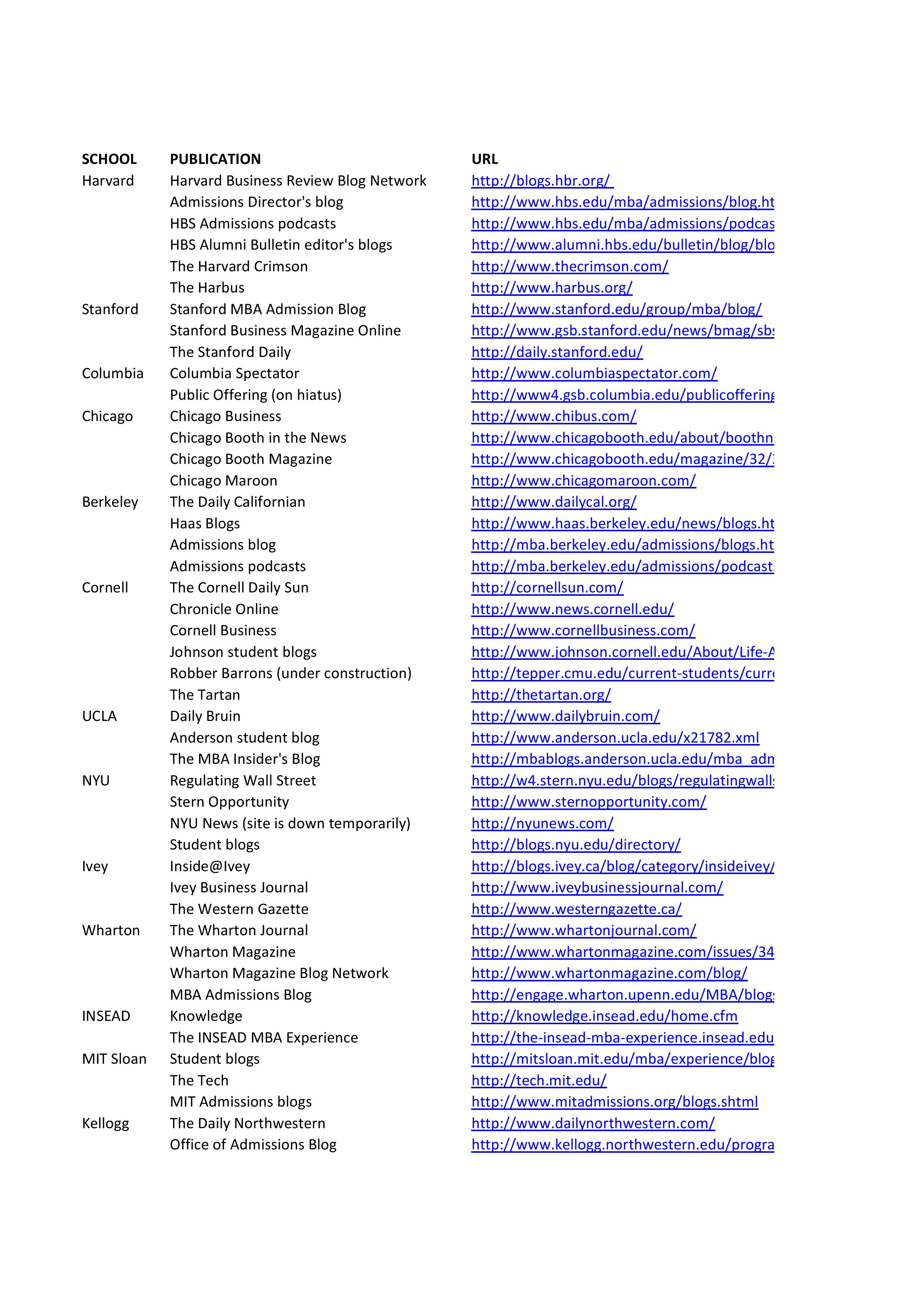
BSchool blogs and newspapers
A curated list of top business school blogs and student newspapers to help candidates stay informed on programs, culture, and admissions insights.
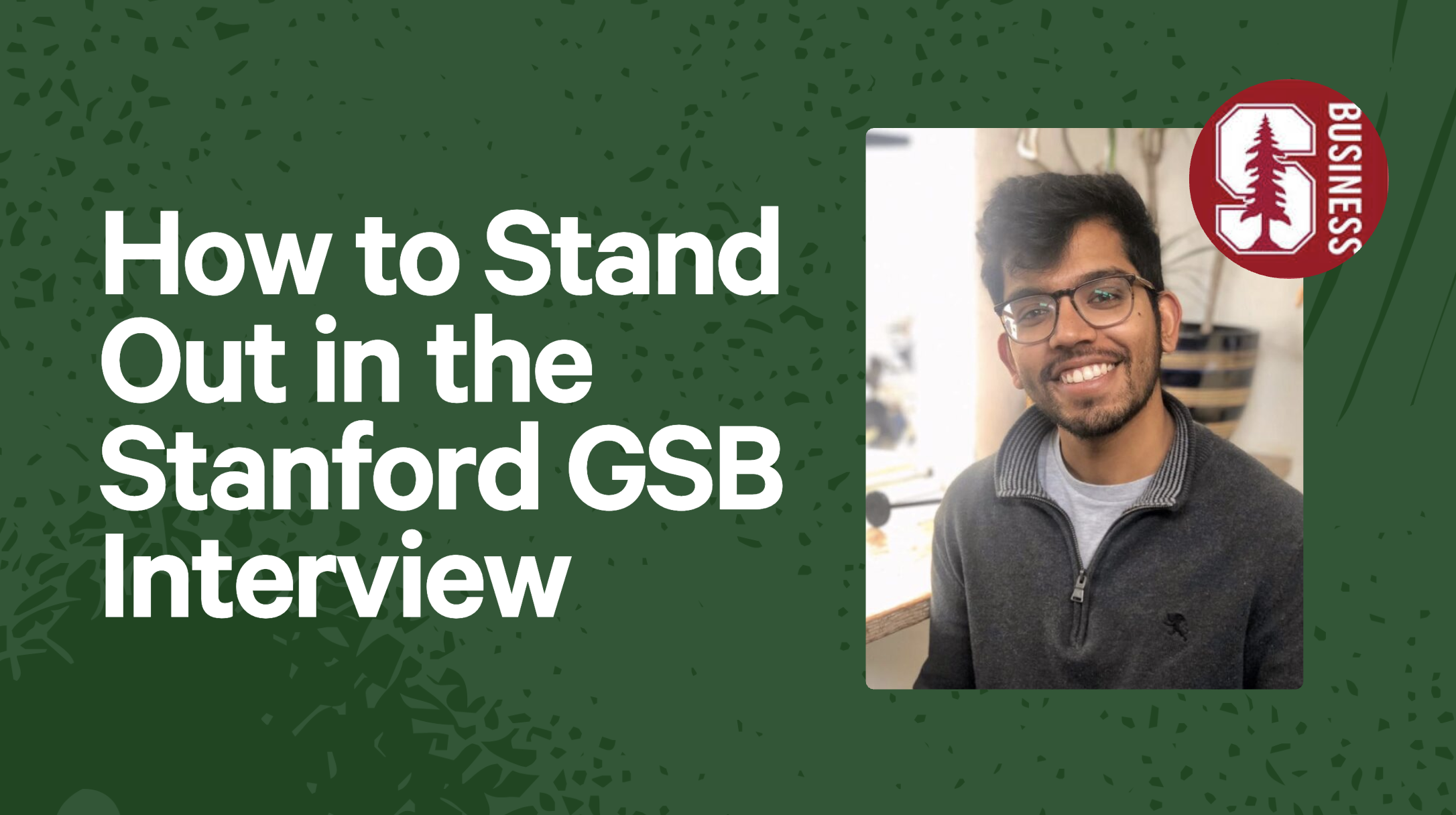
How to Stand Out in the Standford GSB Interview
The Stanford GSB interview is known for being highly personal and introspective, and many candidates struggle to strike the right balance between authenticity and structure. This session is for applicants preparing for Stanford who want to approach the interview with more clarity and confidence. You’ll learn how to answer behavioral questions with depth, communicate self-awareness and values, and align your responses with what Stanford is truly evaluating.


Making Your “Why This School” Essays Impossible to Ignore
“Why this school?” is one of the most common—and most poorly executed—application essays. In this session, expert Leland coach and former AdComs at Chicago Booth Tim F. will break down what admissions committees actually look for and why generic answers fall flat. You’ll learn how to research programs deeply, connect your goals to specific resources, and write essays that feel personal, credible, and impossible to ignore.


Deferred MBA Red Flags & How to Reframe Them
Deferred MBA applications are scrutinized closely—and small missteps can raise big questions. In this workshop, top Leland coach and former AdComs at USC Avi L. will break down the most common red flags admissions committees see in deferred MBA candidates, from experience gaps to unclear goals. You’ll learn how to reframe weaknesses with honesty and strategy, strengthen your overall narrative, and present a compelling case for your long-term potential.

Wharton Future Goals Essay Example
This is an admitted students' essay answering Wharton's prompt: How do you plan to use the Wharton MBA program to help achieve future goals.

Developing a Differentiated Personal Narrative
Standing out in the deferred MBA pool requires more than strong credentials. In this workshop, you’ll learn how to craft a clear, differentiated personal narrative that ties your experiences, goals, and values into a cohesive story that resonates with HSW and M7 admissions committees. Led by Leland coach Angela C., a storytelling expert with a 100% package success rate who specializes in HSW and M7 deferred admissions, this session will break down how top applicants define their core themes, position early-career impact, and avoid the generic narratives that hold many candidates back. You’ll leave with practical frameworks and concrete next steps to start shaping a compelling, authentic story for your deferred MBA applications.

Example: MIT Sloan Cover Letter
This is an example cover letter for the MIT Sloan MBA application
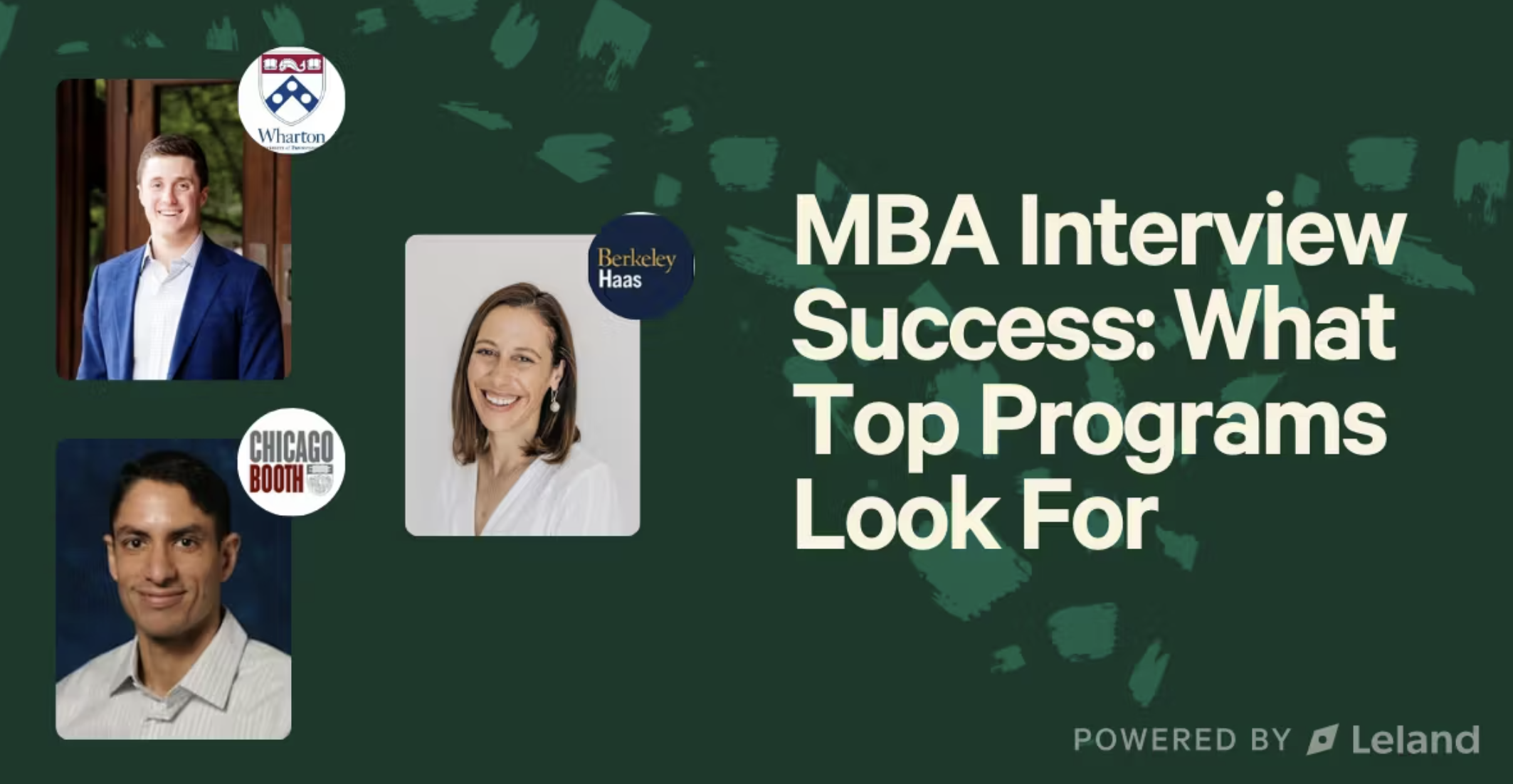
MBA Interview Success: What Top Programs Look For
MBA interviews aren’t just about answering questions—they’re about showing who you are, how you think, and why you belong in a top-tier program. In this session, you’ll learn exactly how elite schools evaluate candidates, from behavioral depth and self-awareness to leadership potential and communication style. We’ll break down common interview formats (including blind interviews, behavioral deep dives, and scenario-based questions), teach you how to structure compelling answers, and share strategies for showcasing authenticity while still being polished and strategic. You’ll walk away with a clear playbook for standing out in any MBA interview setting.


Beyond the MBA: Building a Career Story Schools Want to Invest In
Top MBA programs do not admit candidates solely on ambition, strong credentials, or polished essays. They admit individuals whose career direction is clear, compelling, and rooted in authentic personal motivation. Your career story is the lens through which every element of your application is evaluated—and when developed correctly, it becomes the most differentiating part of your candidacy. In this session, two MBA admissions consultants with more than 25 years of combined experience will walk you through the framework used by the most successful applicants to define career goals that resonate with top programs. You will learn how admissions committees assess career vision, what signals readiness and conviction, and why thoughtful goal-setting must come before selecting target schools. What You Will Learn • How to articulate a career direction grounded in personal meaning, not buzzwords or manufactured narratives • The specific traits admissions committees look for when evaluating career goals • How to demonstrate feasibility and alignment with program strengths • Ways to incorporate future-focused thinking—including but not limited to AI and industry evolution • How to connect your past experiences, present capabilities, and long-term aspirations into a coherent, differentiated narrative • Why a strong career story increases your likelihood of admission and makes you a more compelling future alum

What Deferred MBA Essays Need to Accomplish, and How to Get There
Deferred MBA essays are less about polished resumes and more about potential, clarity of goals, and long-term impact, and getting them right requires a very specific approach. In this session, you’ll learn what top programs actually expect deferred candidates to demonstrate, how admissions committees read these essays differently from traditional MBA applications, and how to structure your responses to show maturity, self-awareness, and trajectory. We’ll break down common pitfalls, winning themes, and practical steps to move from a blank page to a compelling final draft with confidence.


MBA Essay Development Requirements
A structured framework for developing compelling MBA essays that align your stories to admissions criteria and post-MBA goals.
MBA Application Strategy: The Six Pillars
A clear definition of the Six Pillars MBA admissions use to evaluate candidates, with guidance on how to demonstrate each through your experiences.

Career Goals -- Why they're the key to MBA apps and how to nail them
MBA admissions teams use your career goals to gauge clarity, direction, and fit—making them a critical part of your application. In this session, you’ll learn how to craft focused short- and long-term goals, connect them to your experience, and avoid common mistakes. Whether you’re drafting or refining essays, you’ll leave with a clear framework to articulate compelling, credible goals.
Six Pillars MBA Application Strategy Template
A structured worksheet for mapping your experiences to the Six Pillars MBA programs use to evaluate candidates.

NYU Stern Essay 1 Example (Accepted with Full Ride)
NYU Stern Essay 1 example of a female from a CPG start-up accepted into the class of 2028.