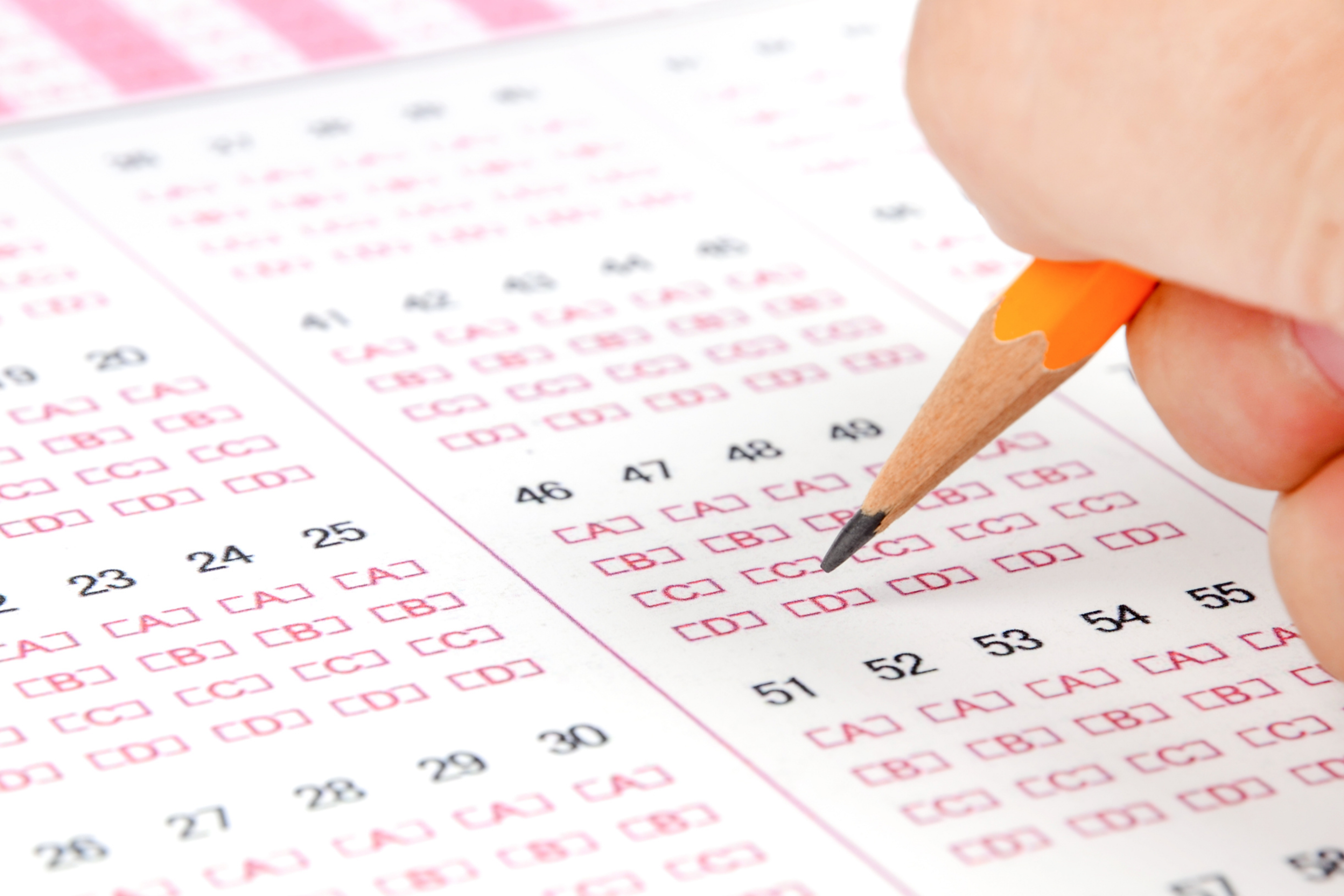
Last-Minute GRE Prep Tips: What to Do the Week Before Your Exam
Get expert-backed last-minute GRE tips to stay calm, boost focus, and perform your best on test day without cramming or burning out.
Posted December 17, 2025




Table of Contents
When you’re in the final stretch before the GRE, whether it’s 48 hours or just the night before, every decision counts. The difference between a good score and a great one often comes down to how you manage these final moments: what test questions you review, how you rest, and how you prepare your mind to answer correctly under pressure.
This guide distills the most effective last-minute GRE tips, drawn from top scorers, expert tutors, and real test-takers, into a clear, tactical game plan. From mastering tricky answer choices to sharpening your timing, use this playbook to walk into your test center focused, confident, and in peak performance mode.
Why smart last‑minute prep matters
You’ve probably spent weeks or months studying, reviewing high‑frequency GRE words, drilling math concepts, taking practice tests, and pushing through timed practice sessions. But as many tutors and test‑takers note, the GRE isn’t just a knowledge test; it’s a mental endurance test. On GRE test day, your focus, time management, stamina, and stress control matter just as much as raw knowledge.
The final 24–48 hours are about locking in what you know, restoring your energy, and preparing mentally and logistically. The wrong move (cramming, staying up late, forgetting what to bring) can sabotage even the best preparation.
Read: How Long Is Each GRE Section? Timing Tips for Every Part of the Test
What to do (and avoid) in the last 24 hours
Do - finalize logistics & rest
- Get a good night’s sleep (ideally 7–9 hours). Your brain consolidates memory best when rested.
- Pack your essentials: valid ID (matching registration), confirmation/entry ticket, pencils/eraser or any allowed writing tools, water bottle, light snack, and anything else permitted by your test center.
- Confirm your test center location and how to get there. Google the address, plan travel time, and better give yourself a buffer in case of traffic or delays.
- Eat a healthy, balanced dinner + breakfast. On test day, fuel your brain with protein, slow‑digesting carbs, and hydration. Avoid heavy, greasy, or overly sugary meals.
- Light physical activity or gentle movement: a short walk or light exercise can reduce stress and keep your mind and body limber.
Don’t - avoid last‑minute cramming or stress triggers
- No heavy studying or attempting new material. By this point, adding new knowledge rarely helps; it can even overload your brain.
- Avoid full‑length practice tests. They’re great earlier in prep, but right before the test, they can drain confidence and add fatigue.
- Don’t change sleep schedules or daily routines drastically. Maintain your usual sleep–wake routine so your body feels normal on test day.
- Skip late‑night caffeine or stimulants. They might make you alert, but they can also impair sleep or increase anxiety, not good for peak performance.\
Read: The 3 Biggest Mistakes People Make Preparing for the GRE
Quick “Day‑Of” GRE Test Day Checklist
| What to Do | Why It Matters |
|---|---|
| Wake up with enough time | No rushing, you want calm, not anxiety. |
| Eat a healthy breakfast (protein + carbs) | Sustains brain energy through the long exam. |
| Arrive early at the test center | Avoid the risk of being late and eliminate last‑minute stress. |
| Bring valid ID, admission ticket, pencils/scratch materials, snacks, water | Required for admission and personal comfort during the exam. |
| Dress in layers & comfortably | Testing centers may be cold or warm; comfort helps focus. |
| Do a light warm‑up (flashcards, easy vocab, some quant questions), but don’t overdo it | Helps ease your brain into “exam mode” without fatigue. |
On-the-Spot GRE Strategies: How Top Scorers Think Inside the Test Room
Once the GRE begins, your performance hinges less on how much you know and more on how well you manage your mindset, pacing, and decision-making under pressure. Here’s how expert tutors and top scorers approach the exam in real time:
1. Own the first 5 minutes, don’t let one test question derail you
Start strong, but don’t panic if the first few test questions feel tough. Many high scorers on Reddit reported getting “thrown” by an early Quant problem, only to recover and still finish strong. Treat every question independently. Don’t carry stress from one section to the next, especially on sections like Quantitative Comparison, where a small misstep can snowball.
2. Always answer, no blank bubbles
The GRE doesn’t penalize wrong answers. That means every blank is a lost opportunity. Even if you’re unsure, eliminate obviously wrong answer choices and make your best guess. Statistically, a 1-in-4 shot is better than zero. Smart guessing is a test-taking strategy, not a gamble.
3. Use “Mark & Review” with precision
Some questions (like dense Reading Comprehension or calculation-heavy Quant problems) take longer than others. Use the “Mark” feature to flag them, move on, and revisit if time allows. This prevents time sinks and protects your overall pacing, crucial if you want to answer correctly across the whole section.
4. Stick to your time discipline
In practice, you may have trained yourself to spend ~90 seconds per Quant question or ~2 minutes per Verbal passage. Keep that rhythm. Don’t “go rogue” and burn 5 minutes on one tricky answer choice. Time management is one of the biggest score differentiators between average and elite test takers.
5. Make scratch paper your secret weapon
Use your scratch paper not just for calculations, but for mapping out logic, tracking sentence structure in Sentence Equivalence, or summarizing arguments in AWA. Some test-takers even jot down high-frequency vocab words at the start of the section to jog memory mid-test. Think of scratch paper as your external brain.
6. Master the mental game, even when it gets hard
Every test taker hits a wall: confusion, fatigue, or self-doubt. What matters is how you respond. Top scorers practice quick mental resets:
- Take one deep breath
- Reframe: “This is just one question.”
- Visualize progress: the finish line is in reach
A calm, focused mindset often leads to better outcomes than raw knowledge alone.
Smart Last‑Minute Review Sessions (Short & Strategic)
If you really feel the need to “do something” before the test, but don’t want to cramp your brain, try this:
- 15–30 min of reviewing a cheat‑sheet of high‑frequency GRE words (especially helpful for the Verbal section)
- Skim through quant formulas, common math tricks, and quick‑reference rules (percent, ratio, algebra basics, quantitative comparison strategies)
- Go over your own error log from previous practice tests, see which mistake types repeat, and remind yourself of the correct approach
- Do 5–10 easy quant questions + 5–10 easy verbal questions to warm up your brain, but stop if it starts to feel draining
This minimizes “last-minute cramming” but ensures you walk in feeling mentally sharp and confident. This method aligns with what many experienced test‑takers recommend rather than pushing through heavy material at the 11th hour.
Read: GRE Study Plan & Schedule: 1, 3, & 6-Month Templates (From a Pro Tutor)
What to Avoid: Costly Last-Minute Mistakes That Can Undermine Your GRE Exam
Even with months of strong GRE preparation, a few poor decisions in the final hours can hurt your confidence, or worse, your actual exam score. Here are the most common last-minute mistakes top tutors warn against, and what to do instead:
1. Taking a full-length practice test the day before
This is one of the most common pitfalls. While practice questions are helpful for light review, a full test on the eve of your GRE exam can do more harm than good. It drains mental energy, adds stress if scores dip, and leaves little time for recovery. A more efficient way to warm up is reviewing a small set of untimed problems and focusing on pacing or error patterns.
2. Cramming new or complex content
Trying to learn new formulas or master difficult topics the day before is not just ineffective, it’s counterproductive. Your brain is unlikely to retain key concepts under pressure, and forcing new material in at the last minute can crowd out what you’ve already mastered. Instead, focus on valuable tips like reviewing flashcards, checking common traps, and skimming your personal notes or error log.
3. Ignoring basic logistics
It sounds simple, but many test takers derail their GRE exam before it even begins:
- Forgetting the ID or admission ticket
- Misjudging travel time
- Not confirming the test center location
These are easily preventable errors that cause real stress. A checklist, prepared the night before, is an efficient way to ensure a smooth morning.
4. Skipping sleep, food, or hydration
Your brain’s performance depends on rest and fuel. No amount of GRE preparation can override the cognitive decline that comes from poor sleep or dehydration. A good night’s sleep, a healthy breakfast, and plenty of water are not luxuries; they’re test-day essentials.
5. Spiraling after a hard first question
Panicking early, especially on tough Quant or Verbal problems, can wreck your pacing and confidence. Remember, one tricky problem won’t define your actual exam score. If you don’t know it, flag it, guess, and move on. Staying calm is not just a mindset; it’s a scoring strategy.
Final Hour Before “Go Time”: Mental Prep & Confidence Boosters
What you do in the last 30–60 minutes before your GRE exam matters more than you think. It sets the tone for how you approach each section, each answer choice, and each decision under pressure. Here’s how expert coaches and high scorers recommend preparing your mindset right before walking into the test center:
- Take deep breaths, visualize success section by section. Picture yourself staying calm on tough test questions, eliminating wrong answer choices, and finishing each section with time to spare. Mental rehearsal boosts confidence and reduces stress.
- Remind yourself: You’ve already done the hard work. The GRE exam rewards smart strategy, consistency, and composure, not perfection. You don’t need to know everything; you just need to play to your strengths and manage your time.
- Avoid last-minute “panic cramming.” You won’t learn new key concepts now, and attempting to will likely increase anxiety and negatively affect your mindset. Trust your GRE preparation and walk in with a clear head.
- Use your final moments for light review only. a few vocab flashcards, simple practice questions, or jotting down formulas on your scratch paper to jog your memory. Think of this as a warm-up, not a workout.
- Take a moment for gratitude and perspective. Remind yourself why you're doing this: grad school goals, career plans, or proving something to yourself. A grounded purpose improves emotional control and focus under pressure.
- Avoid comparison or score-guessing. Don’t talk to other test takers or stress about their prep. You’re running your own race. Your job is to show up focused, do your best, and cross the finish line strong.
- Stay off social media and distractions. They can trigger doubts or stress. Instead, listen to music that calms or energizes you, repeat a personal mantra, or walk through your test-day checklist one final time.
- Reframe nerves as readiness. Feeling nervous is a sign that your body is preparing to perform, not that you’re unprepared. Channel that energy into focus.
Bonus: Tactical Hacks for Quant (especially for tricky question types)
- For quantitative comparison questions: if you can’t decide quickly between choices, try “picking numbers”, plug in simple values that satisfy the constraints, then compare. This often reveals the correct answer faster than algebraic manipulation.
- Use scratch paper to write down relationships, simplify complex expressions, or draw quick diagrams for geometry/data‑interpretation problems.
- If a question looks time‑heavy (e.g., long setup, tricky case analysis), mark & skip; better to return than waste time and risk incomplete sections.
Final Thoughts
At the last minute, the most successful GRE test-takers don’t cram more; they refocus their energy, protect their mindset, and trust the strategy they’ve built. Peak performance comes not from overpreparation, but from knowing when to pause, reset, and walk into the room ready to execute.
The truth is: if you’ve put in the work, you don’t need more content, you need clarity. You need to manage time, adapt on the fly, and answer each question with intention and confidence. That’s what wins on test day.
You’ve done the hard part. Now, show up with composure, resilience, and belief in your preparation. The GRE doesn’t demand perfection; it rewards smart thinking under pressure. And you're ready for that.
Want personalized strategies to stay sharp under pressure, or push for a top percentile score?
Work 1:1 with a GRE coach who can help you refine your timing, boost your mental game, and walk into test day with a winning edge. Explore GRE coaching here. Check out our GRE exam prep bootcamp and free events and group classes for more strategic GRE insights.
Read next:
- How Long Is the GRE? Test Length, Section Breakdown, and Timing Tips
- What Is a Good GRE Score? Percentiles, Targets, and What Schools Want
- How Late Can You Take the GMAT/GRE for MBA Applications?
- GRE Arithmetic: Guide, Formulas, Tips, & Practice Questions
- GRE Geometry: Guide, Formulas, Tips, & Practice Questions
- GRE Quantitative Practice Resources: Where to Find the Best Questions & Practice Tests
- GRE Score Percentiles, Scoring Scale, & Averages Explained (2025)
FAQs
What should I do the night before the GRE to feel prepared?
- Use the night before to review lightly (not cram), confirm logistics like your test center location, pack your materials, and get a good night’s sleep. Avoid full-length practice tests; your goal is to recharge and walk in clear-headed.
Is it bad to study the day before the GRE?
- Yes, intensive studying or cramming the day before the GRE can backfire. Your brain needs rest to perform at its best. Light review of key concepts, flashcards, or past mistakes is fine, but focus on mindset, not new material.
What are the best last-minute GRE tips from top scorers?
- Top scorers recommend reviewing your scratch notes, managing time wisely during the test, avoiding panic on hard questions, staying hydrated, and walking in with a positive mindset. Trust your prep and stay calm under pressure.
How do I stay calm on GRE test day?
- Plan everything ahead (ID, snacks, route to the test center) and arrive early. Take deep breaths, visualize success, and remind yourself that the GRE rewards strategy, not perfection. If anxiety spikes, pause and refocus.
Should I guess on GRE questions if I don’t know the answer?
- Yes, there’s no penalty for wrong answers. Eliminate any obvious wrong answer choices and make your best guess. Always answer every question; leaving blanks will only lower your score.