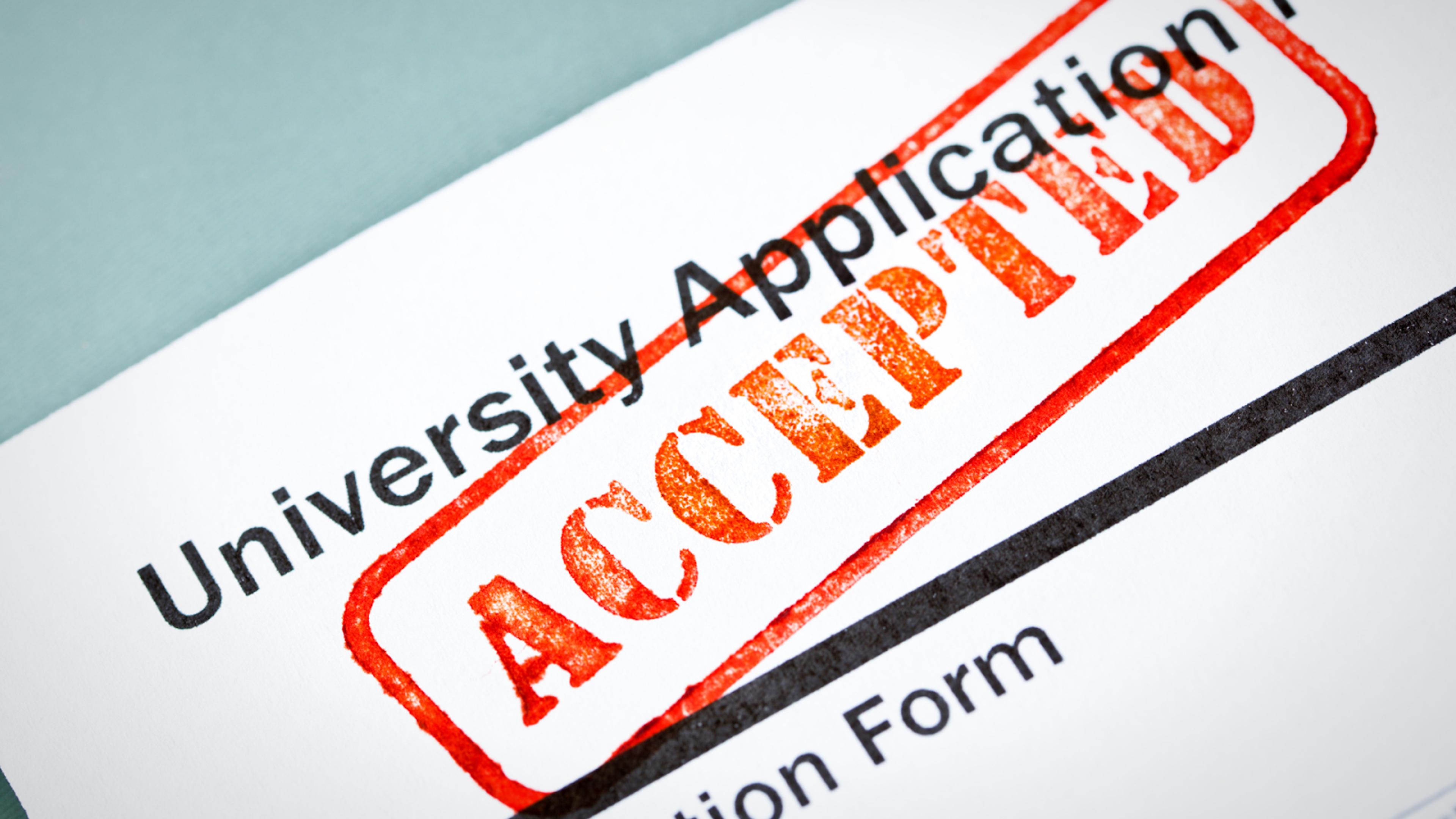
Deferred MBA Deadlines 2026: Complete Application Timeline by School
Compare 2026-2027 deferred MBA deadlines across 10 top programs, from HBS 2+2 to Stanford GSB, plus requirements and tips to build a standout application.
Posted August 21, 2026




Join a livestream
Learn from top experts and industry experts in live, interactive sessions you can join for free.
 53 registered
 Sep 21, 2026 at 11:00 PM21 registered
 Sep 22, 2026 at 1:30 AM47 registered
 Sep 22, 2026 at 10:00 PM16 registered
Table of Contents
Deferred MBA programs let undergraduate students secure a spot in a top MBA program before gaining full-time work experience. If you're a college senior (or in a graduate program like medical school or law school), applying now means you can enroll after a few years in the workforce, typically 2 to 5 years later.
This guide will help you decide if a deferred enrollment program is right for you, compare the top deferred MBA programs, understand the deferred MBA application process, and learn how to strengthen your candidacy as an undergraduate.
What Is a Deferred MBA?
A deferred MBA is an early admission route that allows current students (typically college seniors or graduate students) to apply to business school before they gain professional experience. If admitted, you’ll defer enrollment for a set period (the deferment period), during which you’ll gain professional experience before starting your full-time MBA program.
Deferred enrollment programs are offered by many top MBA programs, including:
- Harvard Business School (2+2 Program)
- Stanford GSB
- Wharton MBA Program (Moelis Advance Access Program)
- Chicago Booth Scholars Program
- MIT Sloan MBA Early Admission
- Columbia Business School
- Kellogg Future Leaders
- Darden Future Year Scholars Program
- Berkeley Haas Accelerated Access
These deferred MBA programs are designed for high-achieving students who are early in their careers but know they want an MBA.
Read: Top 10 Deferred MBA Programs in the US—and How to Get In
Who Are Deferred MBA Programs For?
Deferred MBA programs are ideal for:
- College seniors finishing their undergraduate degree
- Graduate students currently enrolled in eligible graduate-level programs (like medical school or law school)
- Undergraduate students with strong leadership, academic background, and a clear career plan
Admitted students spend a few years gaining professional experience before starting their MBA journey. Many work in consulting, tech, finance, or the nonprofit sector during the deferral period.
Deferred MBA Deadlines 2026-2027: Top Programs
| Program | School | Deferral Period | Application Deadline | Decision Notification | Deposit / Notes | Notable Features |
|---|---|---|---|---|---|---|
| Chicago Booth Scholars Program | Chicago Booth | 2-5 years | April 1, 2027 | June 24, 2027 | $250 app fee; deposit at enrollment | Flexible deferment period |
| Deferred Enrollment Program | Columbia Business School | 2-5 years | April 15, 2027 | Interviews by mid-May 2027 | Application opens Nov 2026 | NYC hub, finance-heavy |
| Silver Scholars ProgramBooth Scholars Program | Yale SOM | 2-3 years (unique format) | R1: Sept 15, 2026 · R2: Jan 6, 2027 · R3: April 7, 2027 | Rolling by round | Deposit per SOM norms | Start MBA right after undergrad, then work, then finish |
| Deferred Enrollment | Stanford GSB | 1-4 years | Shares full-time rounds — R3: April 7, 2027 (also R1 Sept 9, 2026 · R2 Jan 6, 2027) | R3: May 27, 2027 | Deposit per GSB norms | Ultra-selective, founder & impact friendly |
| 2+2 Program | Harvard Business School | 2-4 years | Expected April 2027 — not yet posted | TBD | $100 app fee; $1,000 deposit upon matriculation | Prestigious; structured early-career pipelineculture; leadership focus |
| Moelis Advance Access Program | Wharton MBA Program | 2-4 years | Expected April 2027 - application opens Nov 2026 | Expected July 2027 | Deposit post-admission | Ivy finance + consulting networks |
| Kellogg Future Leaders | Northwestern Kellogg | 2-5 years | Expected spring 2027 - not yet posted | Expected June 2027 | No app fee; deposit per full-time MBAMBA deposit | Collaborative culture; leadership focus |
| Sloan MBA Early Admission | MIT SloanBusiness School | 2-5 years | Expected April 2027 - not yet posted | Expected June 2027 | $250 app fee; deposit per MBA program | Tech-leaning, STEM-certified |
| Berkeley Haas Accelerated Access | Berkeley HaasGSB | 2–5 years | Expected April 2027 - not yet posted | Expected June 2027 | Standard MBA depositper GSB norms | Values-based, West Coast access |
| UVA Darden Future Year Scholars | UVA Darden | 2-5 years | Expected April & July 2027 (2 rounds) - not yet posted | ~2 months after each round | $500 annual depositTBD | Strong focus on leadership and scholarships |
All require an online application form, GMAT scores or GRE scores, undergraduate transcripts, and one or more letters of recommendation
Application Requirements for Deferred MBA Programs
Deferred MBA programs are designed for high-potential college seniors and graduate students, but the admissions standards are just as rigorous, if not more, than traditional MBA routes. You’re applying earlier, not easier.
Below is a breakdown of what you’ll need to submit, and how to make each part of your application stand out.
1. Resume
Your resume should highlight leadership, initiative, and impact. This isn’t a laundry list; it’s a strategic snapshot of your potential.
Focus on:
- Leadership roles on campus or in your community
- Internship or part-time work experience (with outcomes, not tasks)
- Academic awards, honors, or research
- Extracurriculars that reflect your values and future goals
Tip: Use a clean, one-page format tailored to MBA programs. Quantify your accomplishments where possible.
2. Test Scores (GMAT or GRE)
Most deferred MBA programs require either the GMAT or GRE. Some allow flexibility in timing, but submitting strong scores with your application strengthens your case.
What matters:
- No preference between GMAT or GRE, choose the test that suits your strengths
- Competitive scores are often in line with full-time MBA medians
- Consider taking the test by early senior year to leave time for a retake
Tip: Test scores can offset a lower GPA or help demonstrate analytical readiness, especially for non-quant majors.
Read: How Late Can You Take the GMAT/GRE for MBA Applications?
3. Undergraduate Transcripts
You don’t need a perfect GPA, but admissions teams will look closely at your academic record.
They want to see:
- Strong performance in rigorous and analytical courses
- Consistency across semesters, or an upward trend
- Academic choices that align with your story and goals
Tip: If your academic background is less traditional or you have a weaker GPA, be proactive about addressing it in your optional essay or through strong test scores.
4. Essays
This is where your application can truly stand out. Deferred MBA essays test your clarity, maturity, and vision.
Expect to answer questions like:
- Why are you pursuing an MBA and why now?
- What are your long-term goals?
- How have your experiences shaped your values and leadership?
Some programs also require a scholarship essay or short prompts related to community, impact, or personal growth.
Tip: Your essays don’t need to predict the future perfectly. They need to reflect thoughtful exploration and a clear connection between your experiences and aspirations.
Read: MBA Essay Examples & Tips (From an AdCom)
5. Letters of Recommendation
Most programs require one or two recommendations. Choose people who know you well and can speak to your leadership potential, not just your work ethic.
Strong options include:
- A professor who can comment on your intellectual curiosity or impact in class
- A supervisor from an internship, job, or project
- A mentor or advisor who can speak to your long-term promise
Tip: Give your recommenders plenty of time. Provide them with your resume and application goals so their letters support your overall narrative.
Read: MBA Recommendation Letter Guide: Examples, Templates, and Writing Tips
6. Application Fee
Most programs charge a non-refundable fee ranging from $100 to $250. Some offer fee waivers based on financial need, but not all.
If admitted, you’ll typically be required to submit a deposit (often $500–$1,000) to secure your spot during the deferral period.
How Competitive Are These Applications?
Highly. Deferred MBA programs admit a small cohort each year, often less than 10–15% of applicants. You’ll be competing against top students from elite universities, many with stellar internships, GPAs, and campus leadership.
What top schools are really looking for:
- Maturity and self-awareness
- Clear, well-articulated career goals
- Evidence of leadership and initiative
- Strong academic or analytical abilities
- Personal authenticity and drive
These are early-career candidates with big vision and the discipline to back it up.
If you’re aiming for one of the most competitive MBA pathways out there, don’t go in blind. Work with a top MBA coach who knows exactly what top programs look for in deferred applicants and can help you craft an application that showcases your leadership, clarity, and potential at the level these schools expect.
Read: Are MBA Admissions Consultants Worth It? How to Decide (and How to Pick One)
Top Coaches
Is a Deferred MBA Right for You?
A deferred MBA isn’t just early access to business school; it’s a long-term commitment to your professional development. These deferred programs allow students enrolled in undergraduate or eligible graduate school programs to apply now, gain work experience after college graduation, and start their MBA later. But before you commit to deferred admission, it’s critical to assess whether this path aligns with your goals and risk tolerance.
Do you have enough clarity around your post-MBA career path to apply now? Are you prepared to spend 2–5 years gaining experience that will make your time in business school more valuable? Can you afford the upfront financial commitment (often a non-refundable deposit) without knowing where you’ll be in a few years? And are you open to locking in this route, or would you prefer flexibility to explore other graduate degree programs or opportunities?
For many, it’s empowering.
One applicant shared on Reddit: “I had more confidence in my job search knowing I had HBS waiting. It gave me freedom to explore.”
But others found it limiting: “It was great having the offer, but three years later I wasn’t sure I even wanted an MBA anymore.”
Whether you’re planning to enter the private sector, pivot industries, or even return as one of the few active duty military applicants, a deferred MBA can give you a competitive edge if you’re intentional. For students enrolled in their final year of study, who have the clarity, drive, and maturity to commit early, these deferred programs offer a powerful head start on a top-tier business education.
What to Do During the Deferral Period
Being admitted to a deferred MBA program is a major achievement, but what you do between college graduation and enrollment is just as important. Top business schools don’t view the deferral period as downtime; they expect you to gain professional experience that directly supports your future MBA studies and long-term goals. This phase is your opportunity to grow professionally, intellectually, and personally before stepping into the classroom.
The most successful deferred admits treat this period as a strategic launchpad. They pursue roles in industries like tech, consulting, finance, or startups, not simply for brand-name prestige, but for the chance to solve real problems, build leadership capacity, and sharpen their analytical skills.
Many take on stretch assignments outside their comfort zone, explore global or nonprofit work, or rotate across functions to better understand how organizations operate. Others engage in targeted learning: completing online electives, summer internships, or even short-form weekend MBA programs that strengthen business fundamentals ahead of matriculation.
Equally important: they stay plugged in. Smart applicants maintain ties with their MBA community by networking with other admitted students, alumni, and faculty through school-wide resources, events, or mentorship opportunities.
As one applicant put it, “The deferral period is what you make of it. It’s not a vacation, it’s a launch pad.” The admissions team made a bet on your future leadership. Now’s your chance to prove them right.
How to Strengthen Your Deferred MBA Application
Leadership
Deferred MBA programs aren’t just looking for potential; they’re looking for evidence. Admissions committees want to see that you’ve already stepped into leadership roles, whether on campus, in your community, or through independent initiatives. It’s less about formal titles and more about demonstrated impact: Did you lead others toward a goal? Did you launch something new? Did your involvement change the outcome of a project, organization, or group dynamic? Leadership in the deferred context often shows up in creativity, initiative, and influence, especially before you’ve had the chance to manage a team professionally.
Academics
Your academic record still matters. A strong GPA, particularly in quant-heavy or analytical courses, is a signal that you’re ready for the rigor of a top MBA curriculum. If you come from a non-traditional background, like humanities or the arts, use your transcript and test scores (GMAT/GRE) to show that you have the raw intellectual horsepower and discipline to succeed in business school. An upward GPA trend can also work in your favor if your early coursework was weaker.
Career Clarity
Perhaps the hardest and most essential piece of the deferred MBA application is articulating why you want an MBA now. Schools know that your plans may evolve, but they want to see that you’ve thought deeply about your long-term vision and how an MBA fits into that arc. Be specific about what you hope to learn, the kind of leader you want to become, and the role business school plays in that transformation. Show that you’re not applying just because the program exists, but because you’ve identified the MBA as a critical step in a broader journey.
Professional Experience
While you won’t yet have full-time post-grad experience, schools still expect to see meaningful exposure to the working world. Use your summer internships, part-time jobs, research assistantships, or even entrepreneurial efforts to demonstrate initiative, adaptability, and business-relevant skills. Highlight how these experiences have helped you clarify your goals and why they make you a stronger candidate for a deferred enrollment program. This is also where you can show early examples of leadership and results in real-world settings.
Personal Story
Great deferred MBA applications aren’t just well-qualified, they’re compelling. Your essays should do more than repeat your resume. They should tell the story of who you are, what you care about, and where you’re headed. This is where authenticity wins. Be honest about formative moments, challenges you've faced, and the values that shape your decisions. Top schools admit people, not profiles, so give them a reason to remember you.
Final Thoughts: Should You Apply for a Deferred MBA?
A deferred MBA isn’t just an early application; it’s a long-term investment in your leadership trajectory. These programs are built for students who are not only academically strong but also self-aware, goal-oriented, and ready to take ownership of their career path from the start. If you’re clear on your aspirations and want to secure a spot at a top business school before entering the workforce, a deferred MBA can offer rare access, flexibility, and leverage at a critical stage.
Still weighing the decision? Don’t make it in a vacuum. Work with a coach who’s helped other high-potential students navigate this exact choice, someone who can help you evaluate your fit, clarify your goals, and build a competitive strategy from day one. Book a free intro call here. You can also join our MBA bootcamps and events for more strategic insights!
See: The 10 Best MBA Admissions Consultants
Top Coaches
Read next:
- Top 25 Business Schools' Acceptance Rates & Class Profiles: Data, Trends, and What It Takes to Get In
- How to Choose an MBA Program — According to Former AdComs
- MBA Interviews: What to Expect, How to Prepare, and How to Stand Out
- How to Craft the Ultimate MBA Resume—With Examples
- Why an MBA is the Best Time to Start a Business
FAQs About Deferred MBA Programs
Can I change jobs during the deferral period
- Yes. Most programs allow flexibility. Just keep them informed.
Do I need to reapply later
- No. Once you’re admitted, you only need to confirm your enrollment.
What if I decide not to attend?
- You’ll forfeit your deposit and spot. Some students defer and later apply to PhD programs or other MBA programs.
Are international students eligible?
- Yes, though some schools may have additional visa-related requirements.
Can I apply while in grad school?
- Yes, if you're enrolled in an eligible graduate-level program.