Leland+ for Master’s Programs




Popular on Leland+

MIT Sloan Personal Statement Short Answer
While MIT Sloan does not have a traditional personal statement, they do have a Short Answer portion of their application following their behavioral cover letter and video introduction. This is an example of the Short Answer from an MIT Sloan admit.
Free
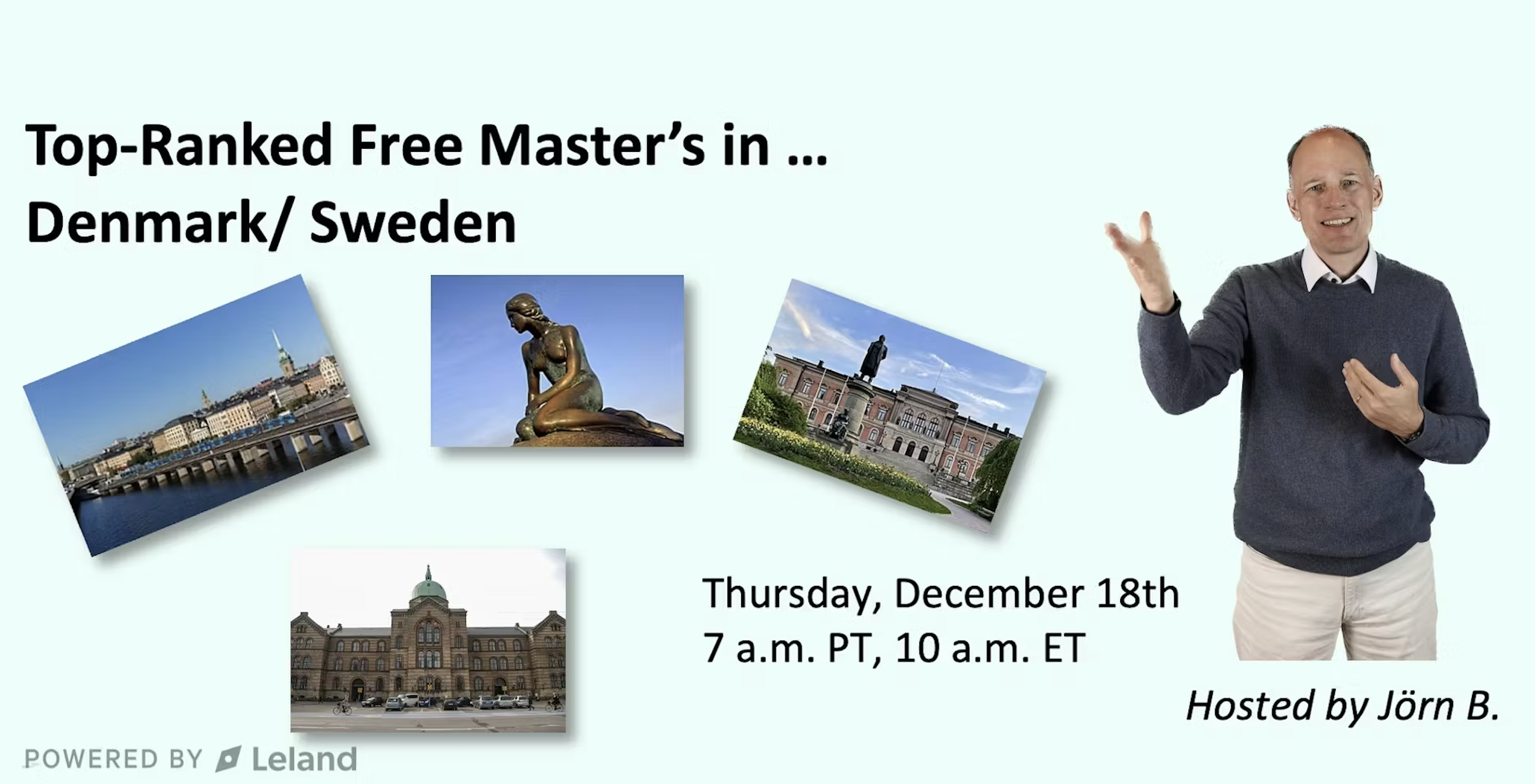
Top-Ranked Free Master’s in … Denmark and Sweden
Think University of Copenhagen, Lund University, Stockholm University, and Technical University of Denmark. These top-ranked Scandinavian institutions represent just the tip of what the Nordic countries offer: world-class master's degrees with tuition from zero to €17,000 annually, far below North American alternatives. Behind these prestigious names are remarkable opportunities to pursue advanced degrees delivering exceptional return on investment while building careers in two of the world's happiest, most innovative countries. Denmark and Sweden host dozens of top-ranked institutions offering hundreds of English-taught master's programs spanning all major disciplines. Denmark provides an automatic three-year post-study work permit, while Sweden offers one to two years for job searching, with clear paths to permanent residence. What if this high-quality, budget-friendly pathway to Scandinavian career success is exactly your calling?
HBS Admit Full Letter of Recommendation Example
This is an example of a letter of recommendation that lead to candidate admittance into the Harvard Business School.
MBA Interview Prep Guidelines
A concise MBA interview prep guide focused on storytelling, school fit, and nailing the questions that drive admissions decisions.

Free

Top-Ranked Free Master’s in … Germany and Austria
Think Technical University of Munich, Ludwig Maximilian University, University of Vienna, and TU Wien. These top-ranked German and Austrian institutions represent just the tip of what Central Europe's economic powerhouses offer: world-class master's degrees with zero to €12,000 annual tuition, far below North American alternatives. Behind these prestigious names are remarkable opportunities to pursue advanced degrees delivering exceptional return on investment while building careers in Europe's strongest economies. Germany and Austria host hundreds of top-ranked institutions offering over 1,500 English-taught master's programs spanning all major disciplines. Germany provides an 18-month post-study work permit, while Austria offers 12 months for job searching, with straightforward paths to permanent residence for skilled graduates. What if this high-quality, budget-friendly pathway to Central European career success is exactly your calling?
Master's Program Decision Guide
Congratulations on your offer of admission! Use this guide to evaluate your options and make an informed decision.

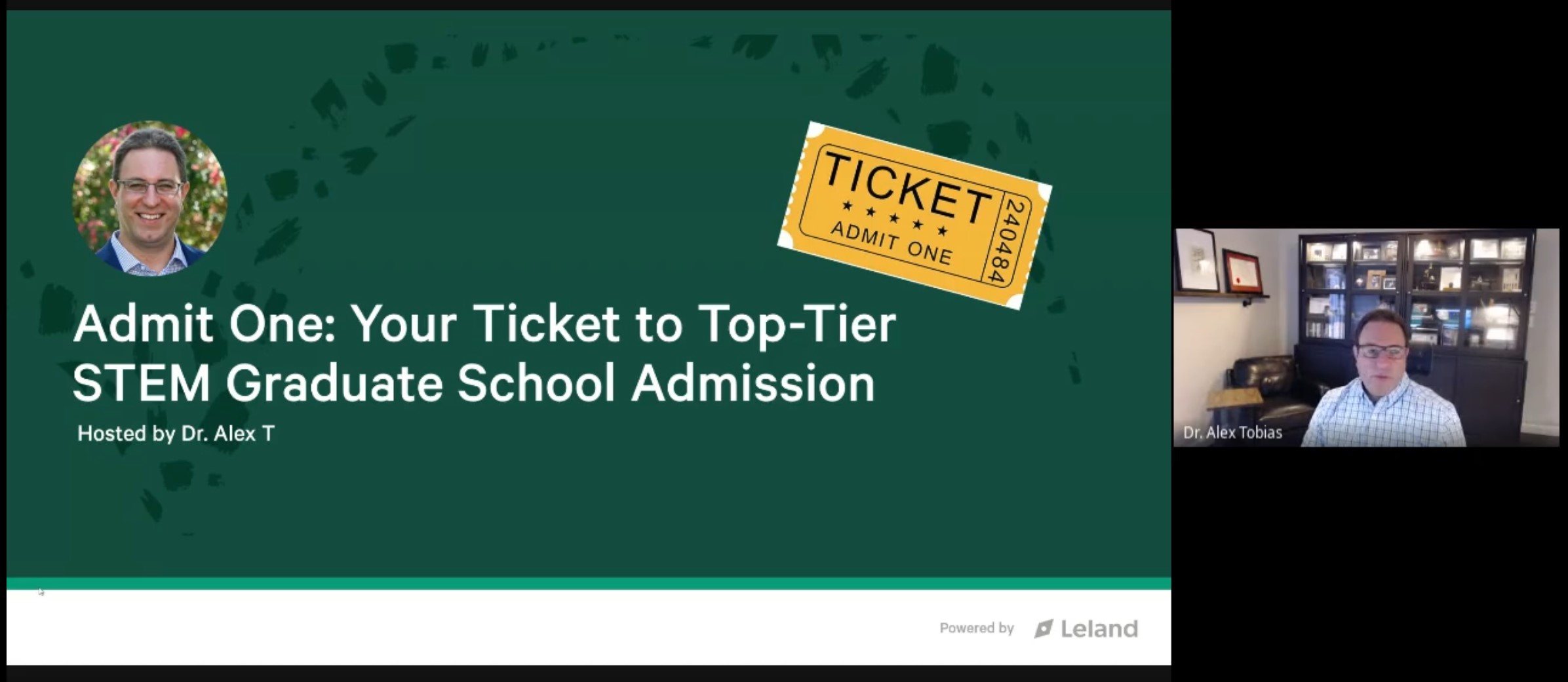
Your Guide to STEM Graduate School Admissions
Recording of a Leland webinar I presented on 02 Jan 2026 demystifying STEM graduate school admissions types and deliverables
Quantitative Finance Career Guide
A starter guide for careers, skills, and companies related to quantitative finance.

Your Ticket to STEM Graduate School Admission
Short guide to STEM graduate programs, required application documents, and essay advice
Stanford Personal Growth Essay
A reflection on personal autonomy, architectural creativity, and bridging disciplines to drive innovative, cross-industry impact.
How to Ace Master’s Interviews
Master’s interviews are your chance to bring your application to life and show why you’re a strong fit for the program. In this session, you’ll learn what interviewers are really evaluating, how to answer common questions with clarity and confidence, and how to communicate your academic goals, experiences, and motivation effectively. We’ll cover proven preparation strategies, common pitfalls to avoid, and tips for standing out across different types of master’s programs. You’ll leave with a clear framework and actionable guidance to approach your interviews prepared, polished, and confident.


Frequently Asked Questions About Resume Writing
Many people have asked me a set of questions frequently. These questions will answer some of your questions quickly!

Master’s Applications 101: What Matters Most and When to Start
A successful master’s application is built on clear priorities and smart timing. This session breaks down the key components admissions committees care about most, including academics, experience, essays, recommendations, and fit, and explains when to focus on each. You’ll learn how to plan your timeline, strengthen your profile early, and avoid common missteps that create unnecessary stress or weaken applications. Whether you’re just starting to explore programs or preparing to apply soon, this workshop will help you approach the process with clarity and confidence.

The STEM Master’s Application Timeline: What to Do and When
Applying to STEM master’s programs is as much about timing as it is about qualifications, and knowing what to do when can give you a major advantage. This session breaks down the full application timeline, from early preparation and test planning to essays, recommendations, school selection, and final submission. You’ll learn how to prioritize tasks, avoid last-minute stress, and align your experiences and materials with competitive STEM programs. Whether you’re just starting to plan or already mid-cycle, this workshop will help you stay organized, proactive, and on track.
A Roadmap to Graduate School Applications
Applying to graduate school is a multi-step journey, and success depends on having a clear plan from start to finish. This session walks through the full application roadmap, from early preparation and program selection to essays, recommendations, interviews, and final decisions. You’ll learn how to prioritize each stage, avoid common pitfalls, and stay organized throughout the process so you can submit strong, confident applications.
Craft Your Narrative, Tell Your Story: Winning Personal Statement Strategies
A strong personal statement isn’t about listing achievements, it’s about telling a clear, intentional story that helps readers understand who you are, what drives you, and where you’re headed. In this session, you’ll learn how to identify the throughline in your experiences, structure your narrative for impact, and avoid common pitfalls that dilute otherwise strong applications. Whether you’re starting from scratch or refining a draft, you’ll leave with practical strategies to craft a personal statement that feels authentic, focused, and memorable.

Great Alternatives to the US for Grad School
For many applicants, top graduate programs outside the United States offer world-class education, strong career outcomes, and more accessible pathways to admission and visas. This session explores leading international destinations for grad school, how their application processes differ from the US, and what to consider when evaluating cost, career mobility, and long-term goals. You’ll leave with a clearer view of global options and practical guidance for building a competitive international application strategy.

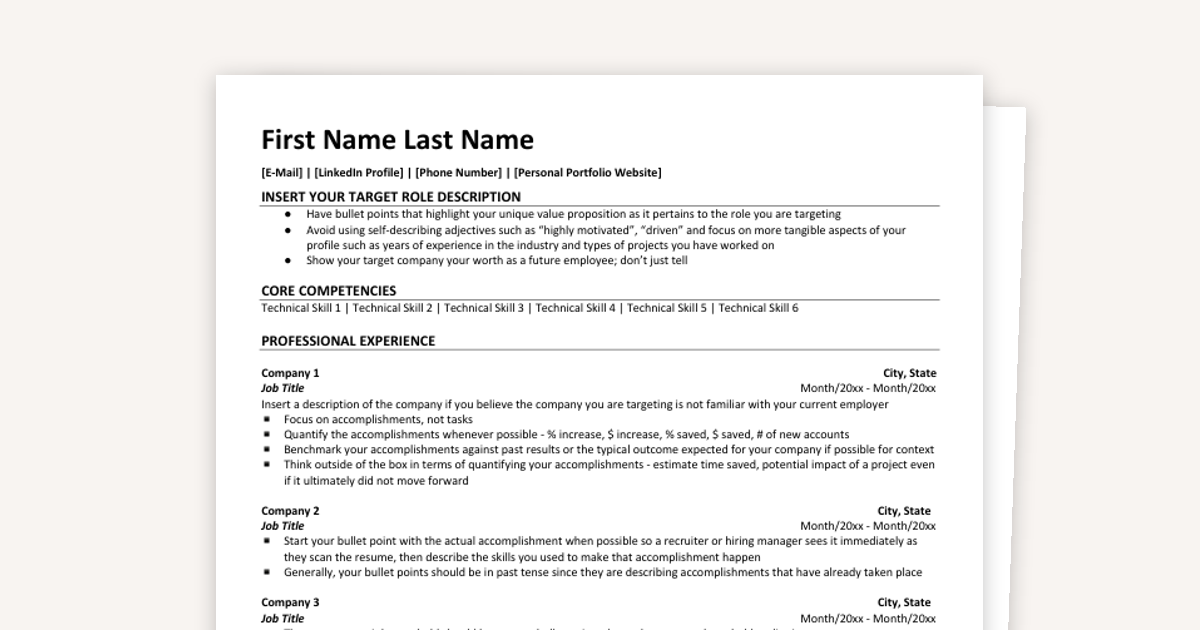
Experienced Applicant Resume Guide and Template
A sample generic resume format and guide for those with existing work experience targeting business related roles.
Free
Get Your Master’s in the EU
Earning a master’s degree in the EU can unlock world-class academics, lower tuition costs, and strong post-graduate career opportunities across global markets. This session breaks down how European master’s programs work, key differences from US applications, timelines and requirements, and how to choose the right country and program based on your goals. You’ll leave with a clear framework for evaluating options and taking next steps toward a competitive EU master’s application.
Build Your Master’s Application Narrative
Many strong applicants struggle to clearly explain why their experiences, goals, and chosen program fit together into a compelling master’s application. This session is designed for candidates preparing graduate school applications who want to turn scattered achievements into a focused, persuasive narrative. You’ll learn how to connect your academic background to future goals, identify the experiences that matter most to admissions committees, and structure essays that present a clear story about who you are and where you’re headed.