Leland+ Content Library
Select a category











































Popular on Leland+
What is Customer Discovery?
Learn the core principles of customer discovery, why it's the foundation of successful startups, and how it differs from market research or user testing. Understand why founders must lead discovery themselves and common myths that lead entrepreneurs astray.

Synthesizing Interview Discoveries into Useful Insights
Learn how to consolidate interview data, identify patterns (problem, solution, pain point, language, and buyer patterns), prioritize insights using frequency × urgency framework, validate your JTBD statement with real customer language, and make three critical decisions: Is this worth solving? What's the MVP? Who do we build for first?

Interview Synthesis Guide: From Data to Decisions
Step-by-step synthesis guide covering the 5-step process (consolidate, identify patterns, prioritize, validate JTBD, decide what to build), pattern-finding questions to ask across interviews, priority framework matrix, common synthesis mistakes to avoid, signs you've done good synthesis, and an action plan.
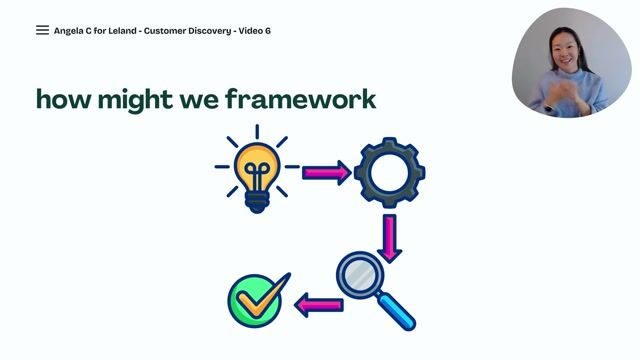
The How Might We Framework for Reframing Problems
Learn what makes a great "How Might We" statement (broad enough for creativity, narrow enough to be actionable, outcome-focused), see examples from Notion and Loom showing insight-to-HMW transformation, and get tips for writing HMWs that inspire your team.
How Might We Framework Summary Guide
Reference covering what HMW is, how to write HMW statements step-by-step, good vs. bad examples with explanations, common mistakes to avoid (prescribing solutions, being too vague, ignoring research), insights for creating your own HMWs, and validation checklist. Use this to turn each key insight into 2-3 different HMW framings and select the most inspiring ones.
How Might We Examples: 12 Companies Across B2B & B2C Industries
Comprehensive examples guide showing Meh → Better → Best HMW progression for 12 real companies across diverse industries: EdTech (Udemy), Personal Finance (Mint), Wellness (Headspace), Food Delivery (DoorDash), Fitness (Peloton), Collaboration (Slack), Sales (HubSpot), Recruiting (Lever), Analytics (Mixpanel), Customer Success (Zendesk), DevOps (GitHub), and Finance (Brex). Each example includes the customer insight, three HMW versions with explanations of why each works or doesn't, and industry-specific patterns.
The Jobs to Be Done Framework
Learn what Jobs to Be Done means, how to write effective JTBD statements using the three-part formula, and see real examples from companies like Notion, Airbnb, and Spotify. Understand why knowing the "job" reveals your real competition and transforms how you think about your product.
Jobs to Be Done Framework Reference Guide with Multi-Industry Examples
Reference guide covering the JTBD formula, real-world examples across B2B and B2C companies (Spotify, Peloton, Slack, HubSpot, Figma, and more), and quick tips for applying JTBD thinking to your startup. Use this to understand the framework deeply and see how different companies address different jobs for different customer segments.
How to Conduct Useful Customer Discovery Interviews
Learn the three-act interview structure (Context, Deep Dive, Future State), the golden rule of customer discovery (listen, don't pitch), and powerful JTBD questions that uncover real problems. Get specific guidance on what to ask and the five mistakes to avoid, from leading questions to interviewing only friends.
Customer Discovery Interview Guide: Questions, Structure & Best Practices
Complete interview reference guide with all key questions organized by interview stage (context, jobs to be done, future state), red flags vs. green flags to watch for, and preparation checklist. Use this before every interview to stay focused on learning truth rather than seeking validation.

FAQs for Profitability
An overview of FAQs for profitability frameworks for management consulting.

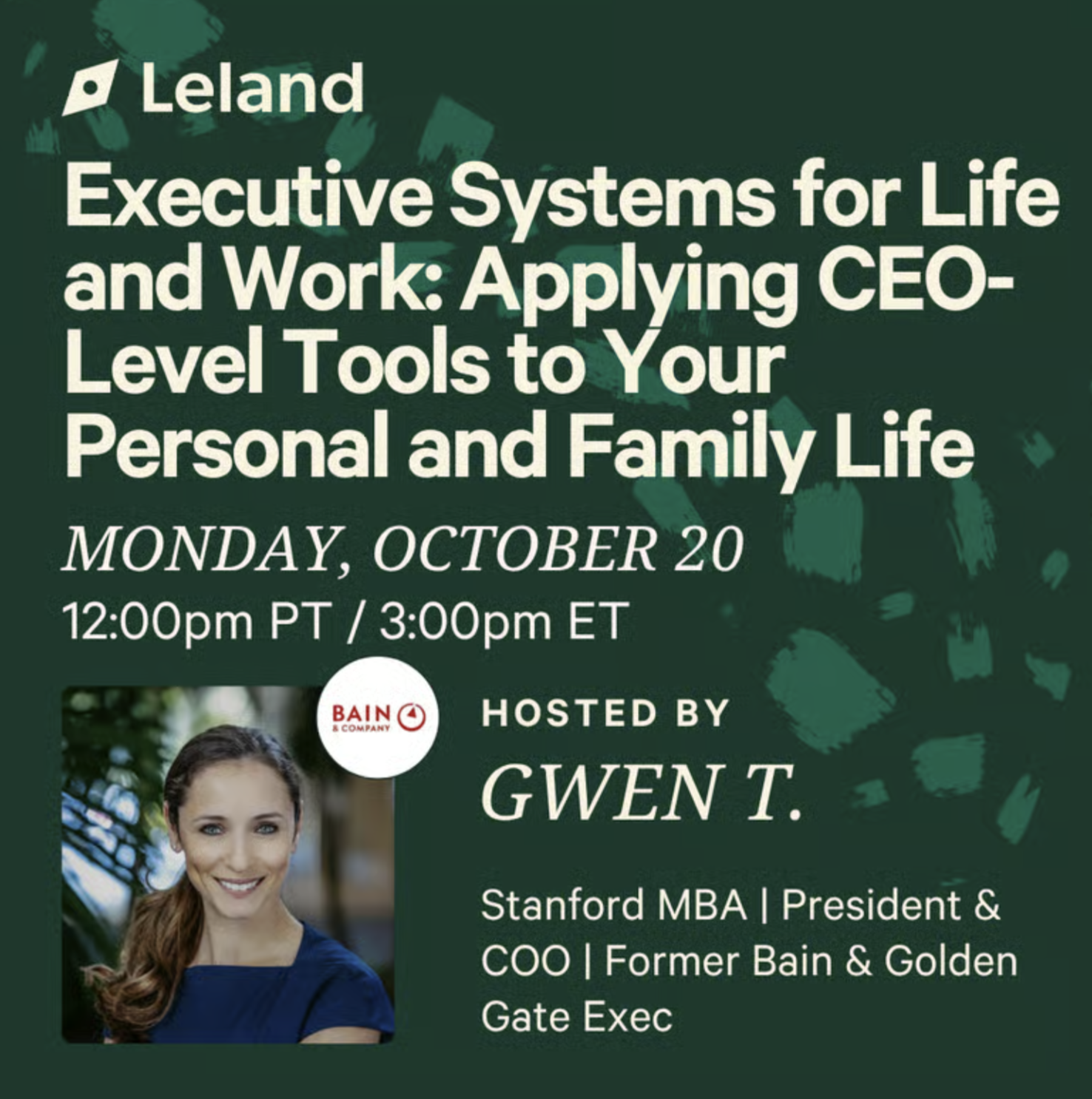
Executive Systems for Life and Work: Applying CEO-Level Tools to Your Personal and Family Life
The best leaders don’t just run great companies—they run their lives with the same level of clarity, structure, and purpose. In this session, expert Leland coach Gwen T. will share how to apply executive-level systems and frameworks to your personal and family life to create more alignment, efficiency, and peace of mind. You’ll walk away with practical, easy-to-implement strategies to operate your life like a high-performing organization—without losing sight of what matters most.

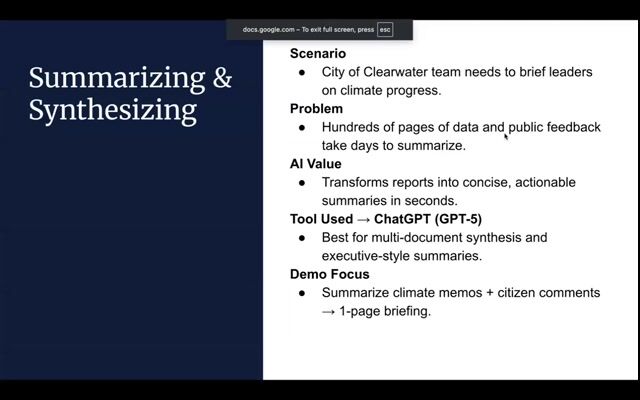
Summarizing & Synthesizing (Using ChatGPT)
Learn how AI condenses complex information into actionable summaries and takeaways.

Prompting Guide for Writing & Editing
Step-by-step guide to crafting and refining prompts that produce clear, effective writing through AI collaboration.
AI Use Cases for Knowledge Workers
Quick reference guide to high-impact AI applications in writing, research, planning, and communication.
How AI Helps: From Drafts to Decisions
Learn how AI supports planning, writing, and problem-solving with clear human guardrails and practical examples.
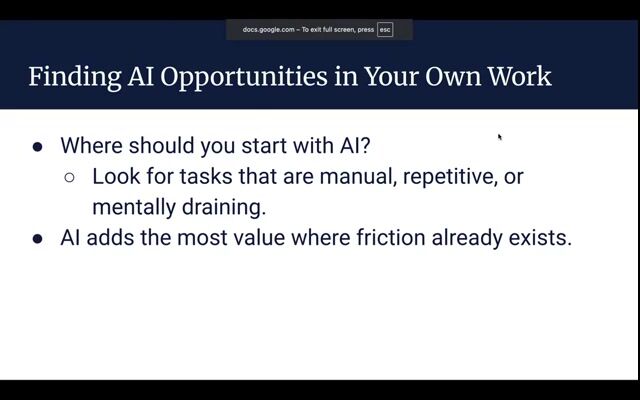
Finding AI Opportunities in Your Own Work
Discover how to identify where AI can simplify, automate, or accelerate everyday tasks across your workflow.

What Makes a Good Stock Pitch
Whether you’re preparing for investment banking, equity research, or hedge fund interviews, mastering the stock pitch is essential. In this session, industry expert and coach Bepul S. will break down the core elements of a strong stock pitch and share insights from real-world investing experience. By the end, you’ll understand what differentiates a “good” pitch from a great one and leave with actionable steps to sharpen your own stock pitch skills.

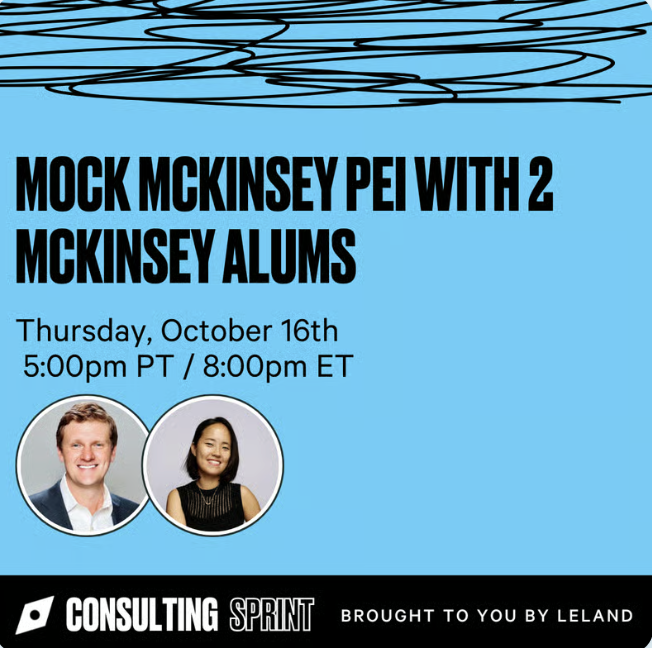
Mock McKinsey PEI with 2 McKinsey Alums
The McKinsey Personal Experience Interview (PEI) can be just as challenging as the case—if not more. In this session, two McKinsey expert coaches James H. and Christina B. will walk through a live mock PEI, showing you exactly how top firms evaluate leadership, impact, and problem-solving in behavioral interviews. Whether you’re just beginning your prep or refining your final stories, this event will give you a front-row look at how to succeed in one of the most critical parts of the McKinsey interview process.



Mastering Market Sizings
Mastering Market Sizings is an interactive workshop designed for anyone who wants to confidently approach market sizing questions - essential skill in consulting interviews. Join Wasim T. as he teaches the Carve-and-Segment approach, a method to logically break down market sizing problems into clear, manageable components. You’ll also learn how to communicate your analysis effectively using the MAC framework (Methodology, Assumptions, Calculations). During the session, you will work through a market sizing exercise step-by-step, helping you understand and internalise how these methods work in practice. We’ll discuss common pitfalls and how to avoid them. By the end of the workshop, you’ll have a structured, repeatable approach and increased confidence for independently approaching market sizing questions.