Leland+ Content Library
![5 AI productivity tips that save me hours each week [4/2/2026] (Recording)](https://customer-14xsjmjbqk93tdwp.cloudflarestream.com/c7476f597c6e3406fa8310f0b63a6404/thumbnails/thumbnail.jpg)
5 AI productivity tips that save me hours each week [4/2/2026] (Recording)
This session walks through five specific AI tips that reduce repetitive, time-consuming work across writing, research, and task management, with enough detail that you can adapt them to your own role that week. You'll see the thinking and logic behind each one, where most people set them up incorrectly, and how to sequence them so they compound rather than add friction. Join like to ask about how a specific workflow might apply to your job function or tool stack. I use these systems in my own work every day and am sharing the versions that actually stuck, not a curated highlight reel.


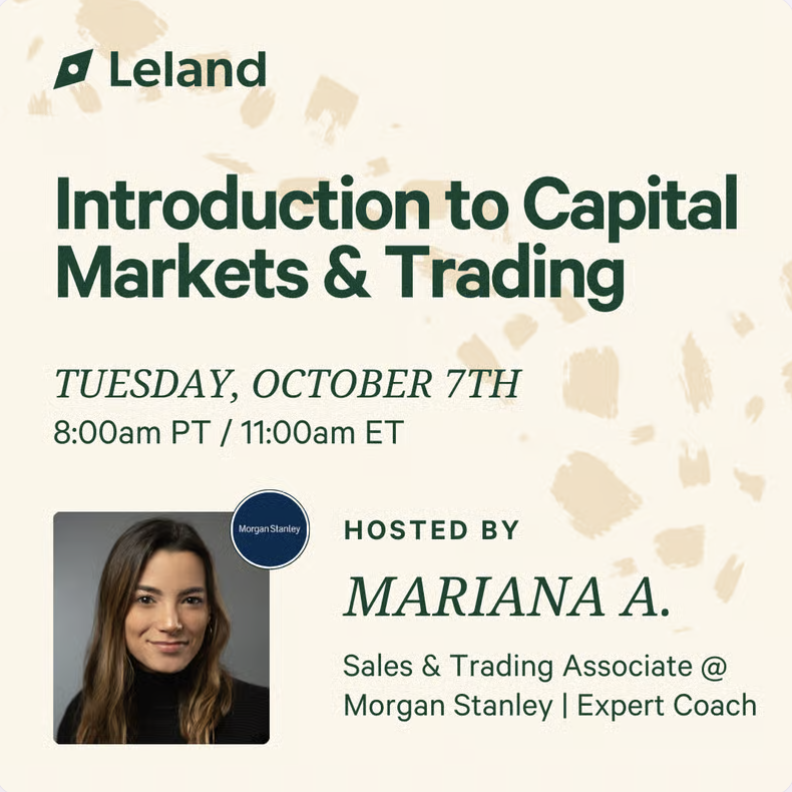
Introduction to Capital Markets & Trading
Interested in a career in capital markets and trading but not sure where to start? This session will walk you through the fundamentals of the industry, what different roles entail, and the skills firms look for in strong candidates. You’ll learn how to stand out in recruiting, prepare for interviews, and position yourself for success in a highly competitive field. The session will be led by Mariana A., a Leland coach with extensive experience in sales & trading, who will share insider insights to help you understand the landscape and take actionable steps toward landing a role in capital markets.

What Top Investment Banking Candidates Do Differently: Strategy, Positioning & Interview Edge
In this session, you will learn how to position yourself as a compelling investment banking candidate before you ever walk into an interview. We will cover how to build a deal experience narrative that holds up under pressure, how to differentiate yourself in a crowded applicant pool, and what interviewers are actually evaluating when they ask behavioral questions.
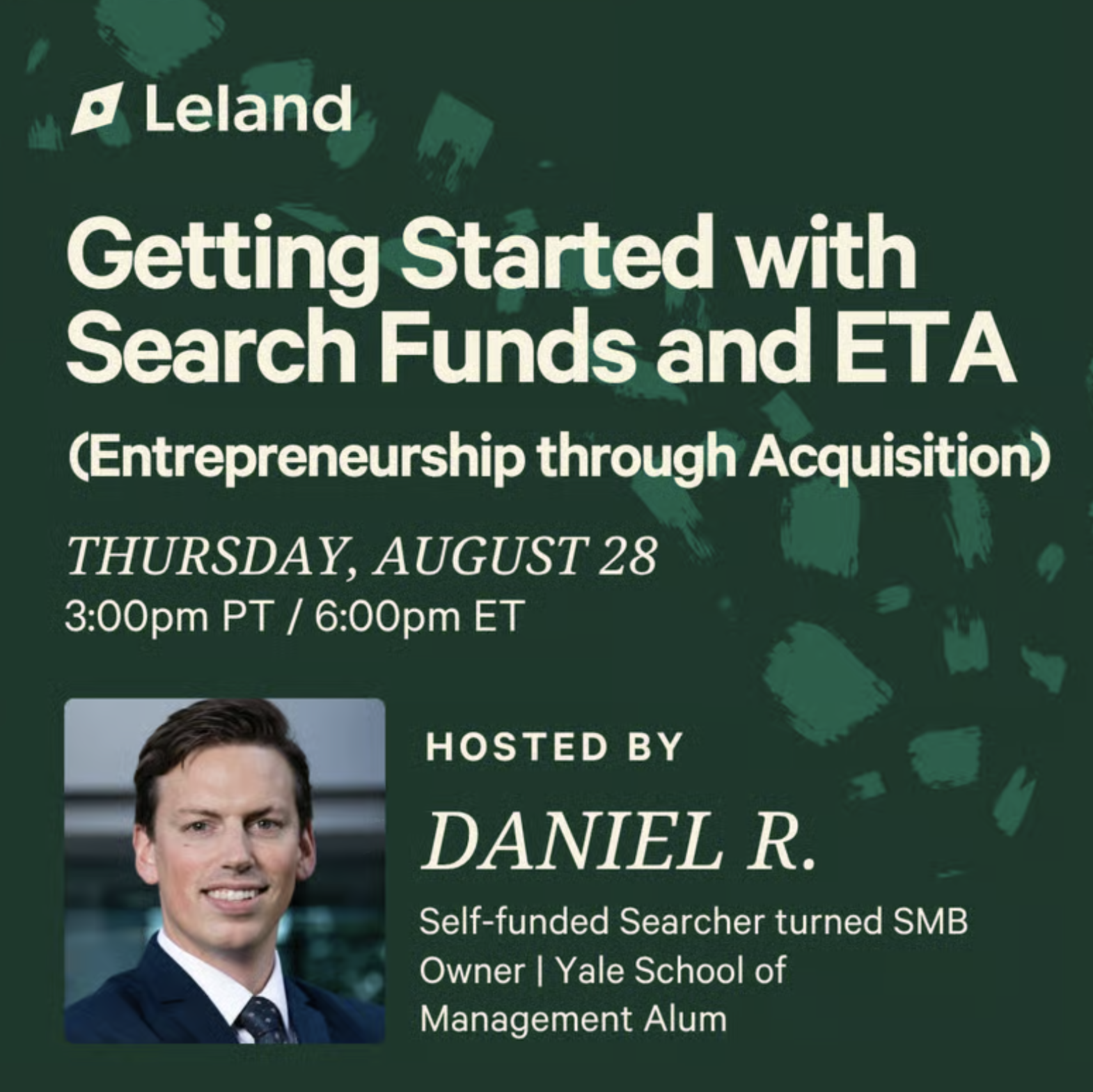
Getting Started with Search Funds and ETA (Entrepreneurship through Acquisition)
Explore entrepreneurship through acquisition as a path to business ownership. In this event, join Daniel R. as he covers: - Search fund models and which fits your situation - Basic search fund economics and deal structures - Practical first steps to launch your search - Core search strategy and planning fundamentals Leave with clarity on whether ETA aligns with your goals and how to begin.

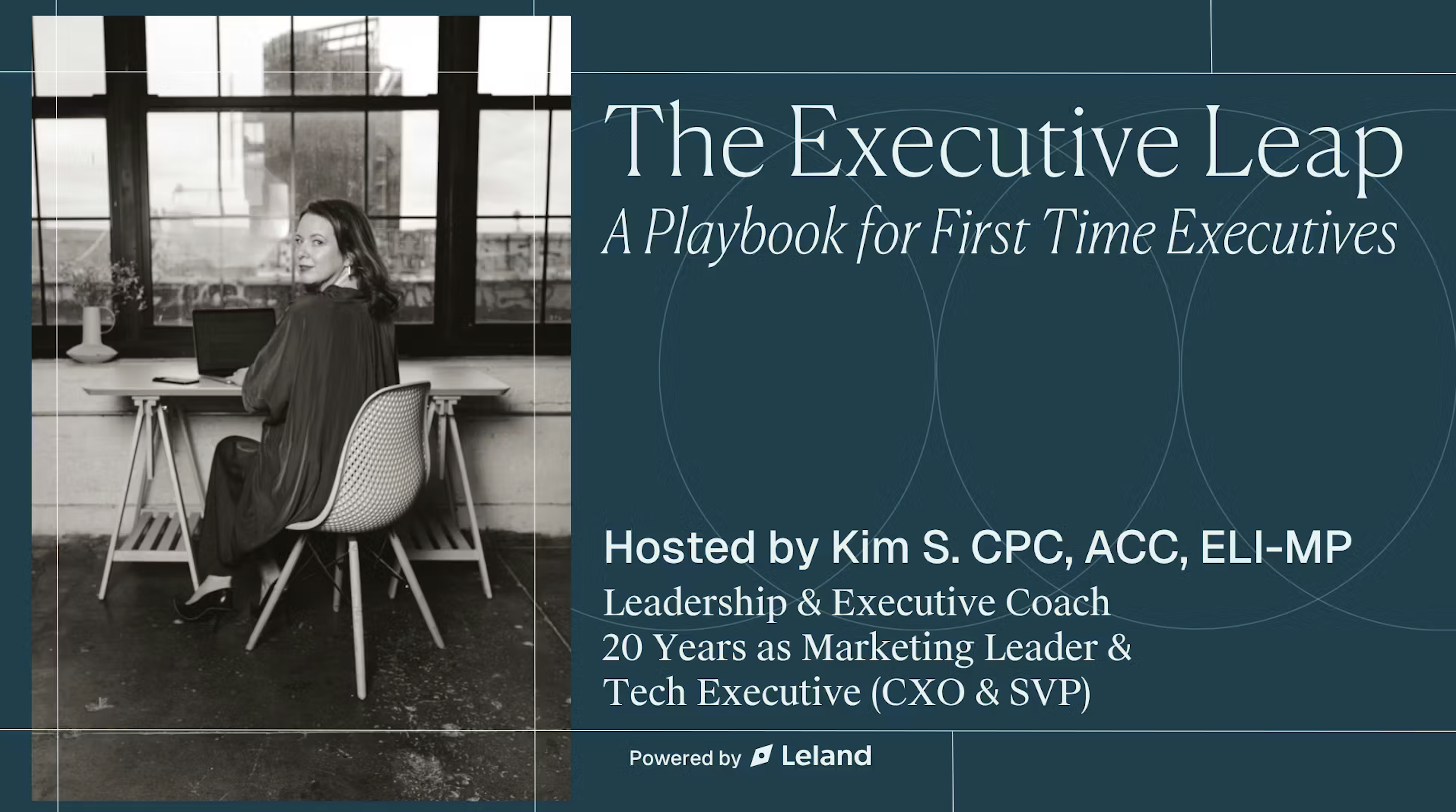
The Executive Leap: A Playbook for First Time Executives
Are you ready to transition from a functional role to a business leader? Join me, Kim, for an insightful session on becoming a first-time executive. With over 20 years of experience in leadership and coaching, I specialize in empowering high-potential leaders to excel in their careers. As the Founder of Surko Coaching, I've partnered with executives to enhance their executive presence, mental resilience, and strategic decision-making, leading to significant career advancements and organizational influence. During this event, we'll cover essential topics like leadership development, communication skills, decision-making, and strategic planning. My background includes senior roles at Flowcode and Bluecore, where I successfully led cross-functional teams and drove substantial growth. As an ICF Accredited Coach and Certified Professional Coach, I leverage tools like the Energy Leadership Index to help clients overcome self-limiting beliefs and achieve sustainable success. Don't miss this opportunity to unlock your full potential and achieve your professional goals. Space is limited, so RSVP now to secure your spot!
PE 101: Technical Interview Essentials
Private equity technical interviews are demanding, and many candidates struggle to know which skills actually matter most. This session is for candidates looking to strengthen their PE interview performance with a clear, focused approach. You’ll learn how to navigate core technical topics like LBOs and deal mechanics, structure your thinking under pressure, and avoid the common mistakes that can cost you credibility in interviews.

Breaking into Private Equity Operations
Private equity operations roles offer a unique opportunity to work closely with portfolio companies and drive real value beyond the deal—but breaking in requires a different skill set and story than traditional investing roles. In this session, you’ll learn what PE operations teams actually do, how firms evaluate candidates, and how to position your background in consulting, industry, finance, or startups for these roles.

AMA: What Every Buyer Should Know About Financial Due Diligence & QofE
Ever wondered what really happens behind the scenes of financial due diligence? In this AMA-style session, you’ll hear questions answered by an experienced deal professional and Leland coach Patrick M. anything about the process—from understanding Quality of Earnings reports to spotting red flags before you buy. This open conversation is designed for aspiring acquirers, search fund entrepreneurs, and anyone interested in the M&A process.
Headhunters and Resumes: How to Get Noticed in PE Recruiting
Private equity recruiting is highly selective, and your resume and cover letter need to communicate impact, rigor, and investment judgment quickly. This session is designed for candidates targeting PE roles who want to understand how top applicants position their experience and stand out on paper. You’ll learn how to structure a results-driven resume, highlight deal and transaction experience effectively, and craft a cover letter that clearly signals fit and interest in the firm.

Using AI to Build a Stronger Private Equity Profile
AI can be a powerful tool for building a stronger private equity profile, but most candidates aren’t sure how to use it in a way that actually adds signal. This session is for aspiring PE candidates who want to leverage AI to sharpen their experience, materials, and overall positioning. You’ll learn how to use AI to refine your resume and deal narratives, deepen your investment thinking, and build differentiated projects that demonstrate real investor judgment.

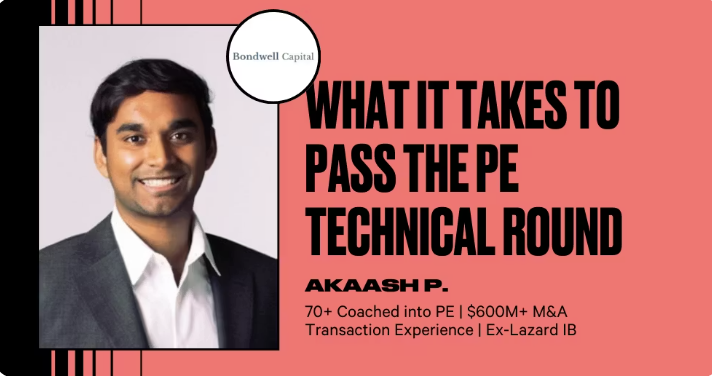
What It Takes to Pass the PE Technical Round
After this session, you will know how to structure a leveraged buyout model under time pressure, articulate an investment thesis that holds up to pushback, and answer the deal experience questions that consistently trip up strong candidates. The focus is on the patterns that separate people who pass from people who stall: where the logic breaks down, what interviewers are actually stress-testing, and how to think through a case you have never seen before.

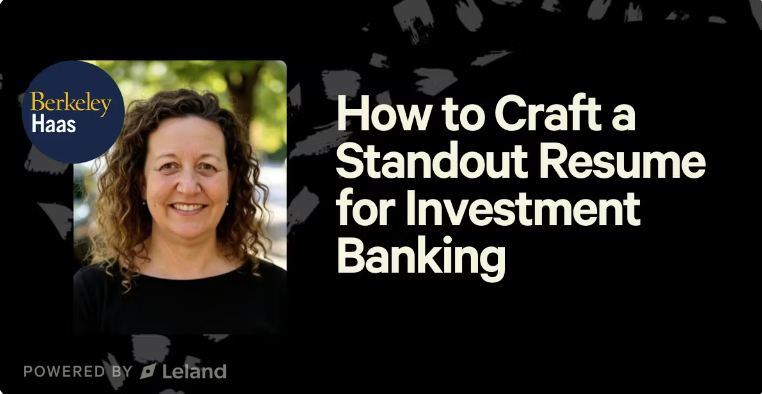
How to Craft a Standout Resume for Investment Banking
After this session, you will know how to structure an investment banking resume that clears the initial screen and holds the attention of a recruiter who reviews hundreds in a single cycle. The coach will cover how to quantify deal exposure and financial skills without overstating your experience, how to tailor your bullets for bulge bracket versus boutique targets, and how to position non-traditional backgrounds so they read as assets rather than gaps.


How to Stand Out in Private Equity Recruiting - March 2026
Private equity recruiting is intensely competitive, and strong technical skills alone are rarely enough to secure an offer. In this session, you’ll learn how top candidates differentiate themselves through sharper deal narratives, stronger investment judgment, and more strategic networking. We’ll break down what firms are really evaluating at each stage of the process and how to position your background, whether from banking, consulting, or another path, to stand out in a crowded field.

Valuations for Investment Banking
Valuation is the backbone of investment banking interviews and on-the-job analysis, yet many candidates struggle to explain it clearly and confidently. This session breaks down the core valuation methods used in banking, how to think about assumptions and trade-offs, and how to communicate your work the way bankers expect in interviews and live deal discussions. You’ll leave with a stronger conceptual framework for valuation and practical tips to sharpen both your technical accuracy and your delivery.


Intro to Real Estate Private Equity and Headwinds
Real estate private equity offers a unique blend of investing, operations, and market analysis, but today’s environment presents new challenges and opportunities. This session provides an overview of how real estate PE works, including deal structures, value creation levers, and career paths, while also unpacking current headwinds such as interest rates, financing constraints, and shifting demand across asset classes. You’ll gain a clearer understanding of how firms are adapting and what this means for investors and candidates alike.

How to Stand Out to PE Firms
Private equity recruiting is one of the most competitive processes in finance—and standing out requires more than strong technical skills. In this session, you’ll learn how top firms evaluate candidates, how to position your deal experience (or transferable experience) effectively, and how to craft a compelling story that signals judgment, ownership, and investing potential. We’ll cover resume refinement, outreach strategy, interview preparation, and the mindset shifts that distinguish top performers in on-cycle and off-cycle recruiting.

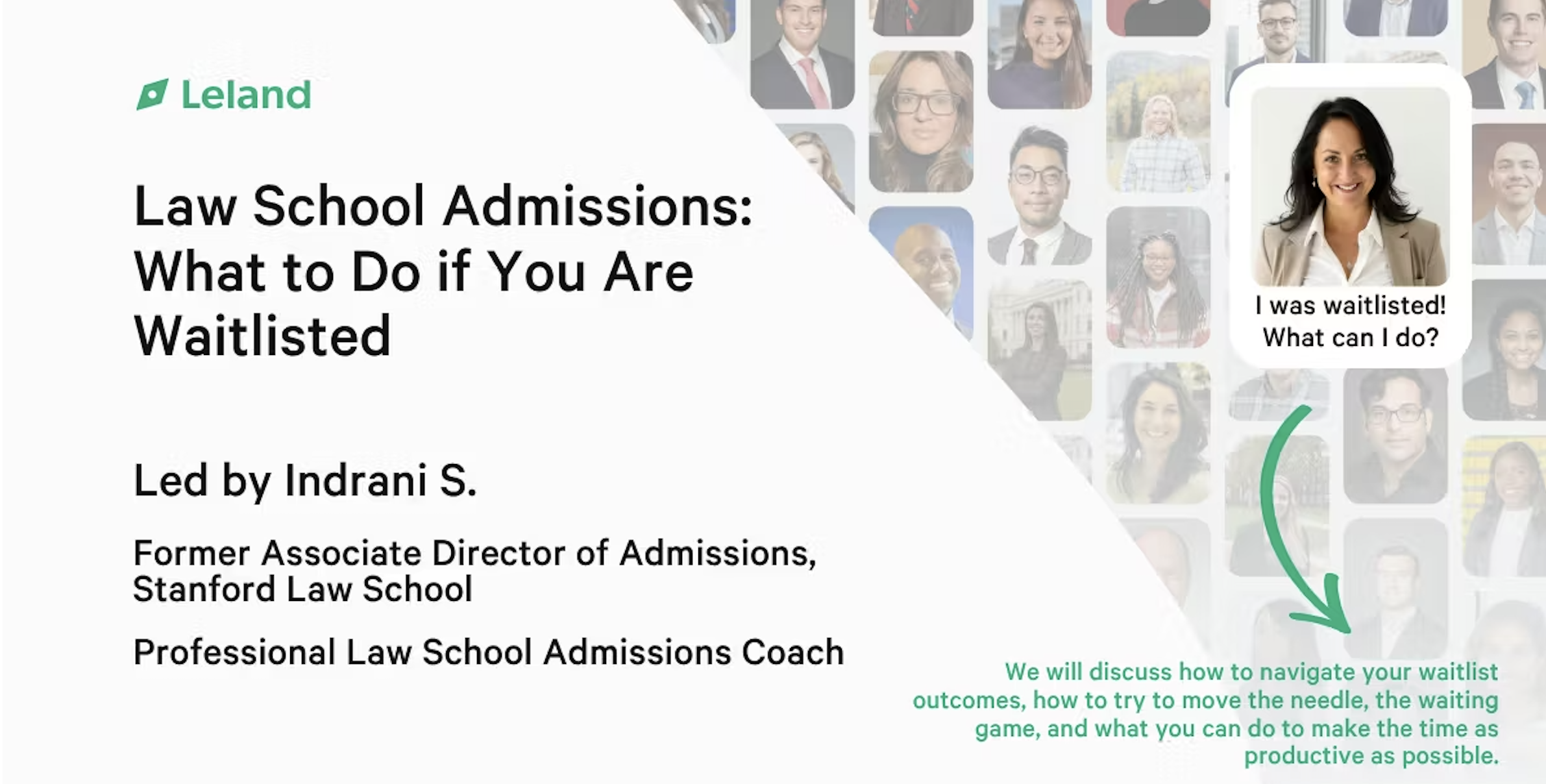
Law School Admissions: What You Can Do When You Are Waitlisted
Join Indrani, former Associate Director of Admissions at Stanford Law School, as she goes over strategy to help deal with the uncertainty of being put on law school waitlists. She will go over: how the process works, what it means when you are waitlisted, moving the needle, Dos and Don'ts, and the waiting game. At the end, there will be ample time for questions and answers! Almost everyone is waitlisted somewhere, and this session will help you manage the situation.

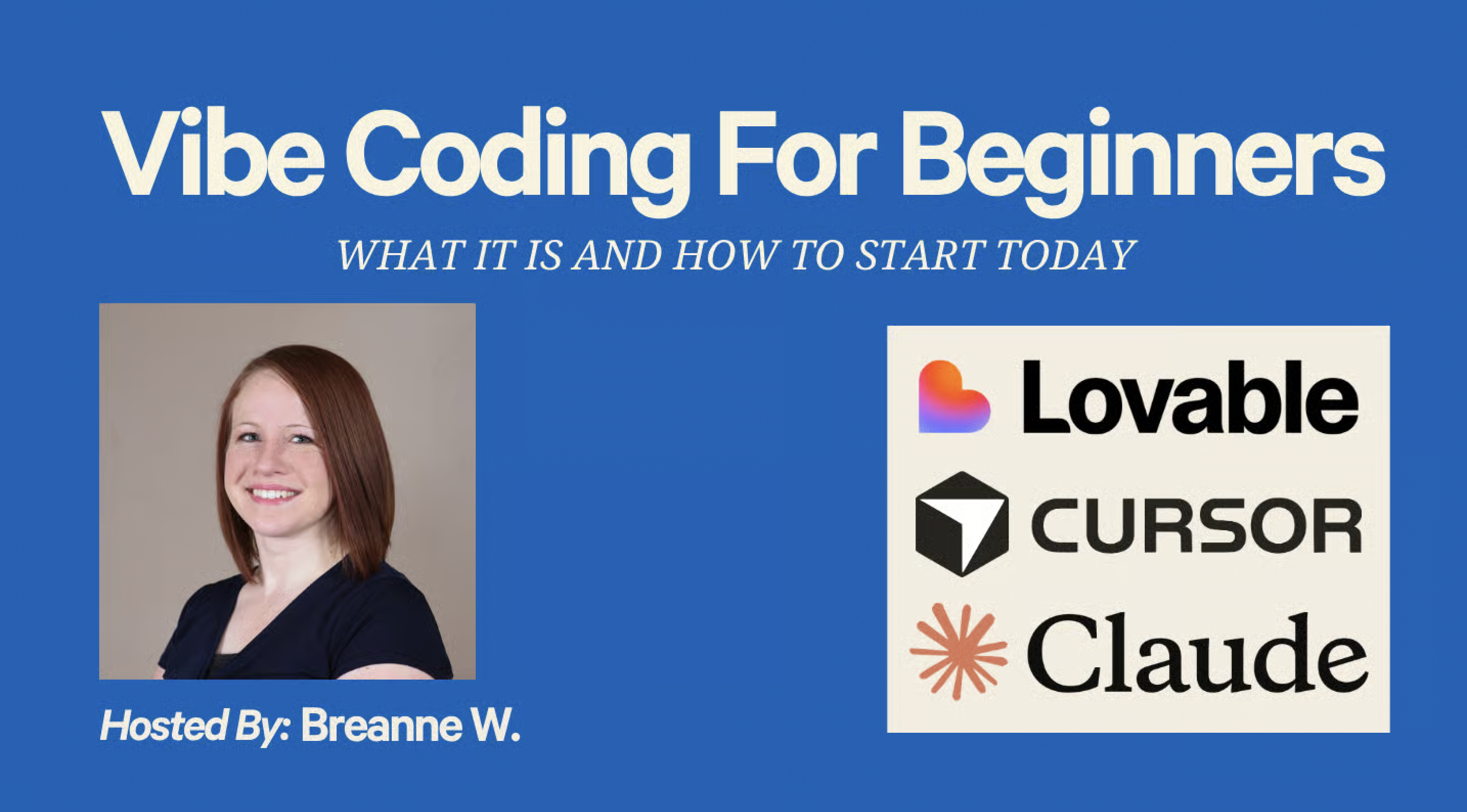
Vibe Coding For Beginners: What It Is and How to Start Today
Vibe coding is one of the most talked-about shifts in tech right now — and for good reason. Non-technical people are building real, functional software by describing what they want in plain language and letting AI do the rest In this 45-minute intro, we'll pull back the curtain on one of the most talked-about shifts in tech right now and show you exactly how non-technical people are using it to build real, functional software without writing a single line of code themselves. You'll walk away with a clear mental model, a live demo, and a concrete starting point. What we'll cover: *What vibe coding is (and why it's different from anything before it) *The three tools shaping the space right now: Loveable, Cursor, and Claude Code *A live demo so you can see it in action, not just hear about it *What you can realistically build, and where you'll still need support *Your actual next step to get started today Who this is for: Total beginners. No coding experience required, just curiosity and an idea you've been waiting to bring to life.

Positioning for PE and the Buy Side in EMEA
Breaking into private equity and buy-side roles across Europe, the Middle East, and Africa requires a clear understanding of regional recruiting dynamics, fund structures, and candidate expectations. In this session, you’ll learn how EMEA recruiting timelines differ from the US, what firms prioritize in backgrounds and deal experience, and how to position yourself effectively whether you’re coming from banking, consulting, or another pathway. You’ll leave with a practical strategy for networking, technical preparation, and crafting a narrative that resonates with buy-side firms across the region.

![Defining Your MBA Personal Narrative [8/10/2026] (Recording)](https://customer-14xsjmjbqk93tdwp.cloudflarestream.com/36a0839c04e21802e7ae1de813527f37/thumbnails/thumbnail.jpg)
Defining Your MBA Personal Narrative [8/10/2026] (Recording)
After this session, you will know how to identify the central thread that ties your experiences into a cohesive MBA narrative and how to frame your story in a way that resonates across essays, interviews, and recommendations. We will cover how to distinguish a narrative that feels lived-in from one that reads as constructed, how to anchor your "why MBA" to something specific rather than generic ambition, and how to pressure-test your story against the judgment calls admissions committees actually make. Attending live means you can bring your own background and get a direct read on whether your narrative framing is landing the way you intend. The coach works with MBA applicants daily and will be drawing on patterns seen across successful candidates, giving you a rare window into how this thinking actually works in practice.