Leland+ for GMAT
![Avoid Messy Algebra on the GMAT: Mixtures and Weighted Averages [6/4/2026] (Recording)](https://customer-14xsjmjbqk93tdwp.cloudflarestream.com/6e6a1b5e4d2d8102bb9a281a3dbca281/thumbnails/thumbnail.jpg)
Avoid Messy Algebra on the GMAT: Mixtures and Weighted Averages [6/4/2026] (Recording)
GIVEAWAY DURING THE EVENT: Join live for the chance to win a free GMAT Bootcamp seat! Mixture and weighted average questions on the GMAT often look calculation-heavy, but top scorers know how to solve them with far less algebra than most test takers use. This session is for MBA applicants who want faster, cleaner ways to approach these common quant problems. You’ll learn how to recognize efficient setups, avoid the messy calculations that waste time, and apply strategies that improve both speed and accuracy on test day. Join live to work through problems step by step and ask questions about your own GMAT prep. The speaker is an expert GMAT tutor who scored a 790 and regularly helps candidates simplify difficult quant concepts. They’ll share the patterns they see across high scorers and the kinds of shortcuts and frameworks typically covered in focused 1:1 prep sessions.

![The Key to Mastering Combinations and Permutations on the GMAT [5/7/2026] (Recording)](https://customer-14xsjmjbqk93tdwp.cloudflarestream.com/d1c82179afff422e8acb2ad03e98b92d/thumbnails/thumbnail.jpg)
The Key to Mastering Combinations and Permutations on the GMAT [5/7/2026] (Recording)
After this session, you will know exactly how to recognize when a GMAT problem calls for combinations versus permutations and how to set up the math without second-guessing yourself. We will cover the slot method for counting arrangements, how to handle restrictions like repeated elements or fixed positions, and the fastest way to simplify factorial expressions under timed conditions. Attending live means you can bring a specific problem type that keeps tripping you up and hear how to think through it in real time, not just watch a solved example. The coach works through these problems with GMAT students regularly and will share the reasoning patterns that consistently separate confident solvers from those who guess and move on.


Basic Concepts of Number Properties
Free
![GMAT Quant Workshop 1 of 4 — Number Properties: Odds, Evens & Remainders [9/1/2026] (Recording)](https://customer-14xsjmjbqk93tdwp.cloudflarestream.com/f746f60bfb974ff618a611ce58d0b1d0/thumbnails/thumbnail.jpg)
GMAT Quant Workshop 1 of 4 — Number Properties: Odds, Evens & Remainders [9/1/2026] (Recording)
Number properties is where the GMAT punishes intuition. Odds and evens, factors and multiples, divisibility, remainders — the questions look simple, and that's the trap. Bring paper. You'll attempt real exam-style problems live — including the odd/even logic and remainder patterns this topic is famous for — then we'll solve every one together, step by step, so you leave knowing exactly how to set these up on test day. Part 1 of a 4-part September series — drop into one session or attend all four: Sep 1 — Number Properties Sep 8 — Word Problems & Percents Sep 15 — Algebra & Equations Sep 22 — Rates, Work & Distance All sessions Tuesdays, 8:00 PM ET, 60 minutes.

Free
![GMAT Quant: The Most Important Strategies for a 90th-Percentile Score [8/27/2026] (Recording)](https://customer-14xsjmjbqk93tdwp.cloudflarestream.com/b1fcd700c476adce363b2a6a35d7a691/thumbnails/thumbnail.jpg)
GMAT Quant: The Most Important Strategies for a 90th-Percentile Score [8/27/2026] (Recording)
In this livestream, I’ll share my recommended GMAT study schedule and teach some of the most important strategies for improving your performance on GMAT Quant. You’ll learn how to structure your preparation, what to prioritize at different stages, and how to use practice questions and full-length exams effectively. We’ll work through representative GMAT-style problems, focusing not just on getting the right answer, but on developing the decision-making skills that lead to better performance. You’ll learn how to recognize common question types, identify efficient solution methods, avoid common traps, and manage your time on difficult questions. By the end of the livestream, you should be able to: * Build a structured GMAT study plan based on your timeline and goals * Identify the Quant topics and skills you should prioritize * Recognize common GMAT Quant question types * Choose more efficient approaches to difficult problems * Improve your pacing and time-management strategy * Use practice questions and mock exams more effectively * Understand how high-scoring test takers approach GMAT Quant I’ve been tutoring standardized tests for more than 20 years and earned a 760 on the GMAT. I received my MBA from Northwestern University’s Kellogg School of Management and earned a master’s degree in Political Science from Stanford University. This session is appropriate for students at a range of score levels, whether you’re just beginning your GMAT preparation or looking to push an already solid Quant score higher.
![GMAT Scoring Isn't About Getting Everything Right: Why Top Scorers Skip [7/28/2026] (Recording)](https://customer-14xsjmjbqk93tdwp.cloudflarestream.com/5c3dc2a0033791eaa755d2044e0ae866/thumbnails/thumbnail.jpg)
GMAT Scoring Isn't About Getting Everything Right: Why Top Scorers Skip [7/28/2026] (Recording)
60-minute Leland Event | Live with Q&A | Hosted by Josh P. Somewhere in your last mock, one question ate four minutes of your life. You knew you should let it go. You didn't — because walking away feels like giving points back. Here's what the scoring algorithm knows that you don't: your GMAT score isn't a count of right answers. The GMAT is adaptive. Every right answer pushes you toward harder questions; every wrong answer pulls you back toward easier ones. Your score isn't how many you got — it's the difficulty level you can hold. That flips two things most test-takers get backwards: a wrong answer at the top of your range isn't failure, it's evidence you're playing at your ceiling. And the four minutes you sink into one unwinnable question quietly costs you two or three winnable ones. (On the GMAT you can't leave a question blank — "skipping" means deciding fast, picking, and banking the time. That decision is a trainable skill.) In this 60-minute session, I'll put the scoring engine on screen — the same scoring model I coach my 1:1 students on Leland with — and then we'll train the skill live: real problems, you vote "fight or fold" in the chat, and we run the skip decision together. You'll learn: - How the adaptive algorithm actually sets your score — and why "answer everything right" is the wrong goal - The GMAT Potential map: why wrong answers at your edge mean you're exactly where you should be - The real cost of over-investing in one hard question (it's never just one question) - A two-question skip rule you can apply on your very next practice set Whether you're four weeks in or staring down a retake — if the clock beats you before the content does, this session is for you. Bring your questions: the last 15 minutes are open Q&A. Josh P. — GMAT Coach on Leland · Top 3 · 5.0★ · Booth MBA · Ex-BCG
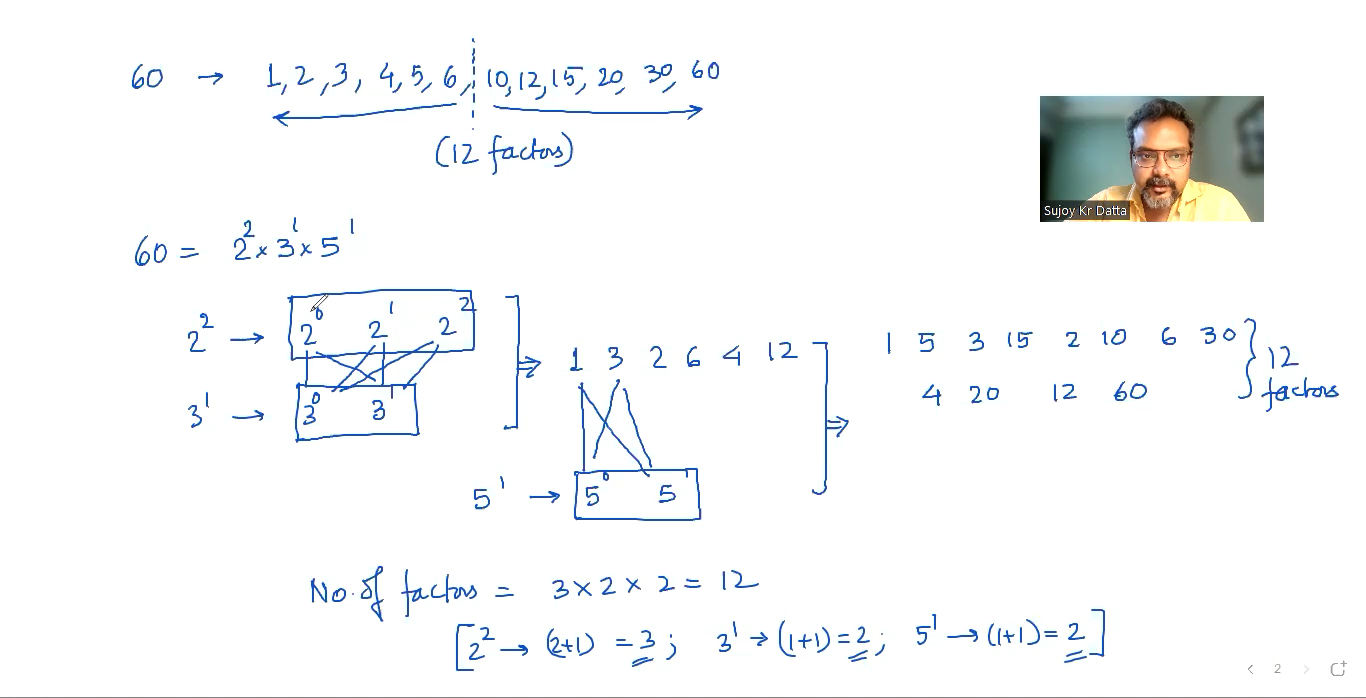
Number Properties 10
GMAT number properties 10 of 10
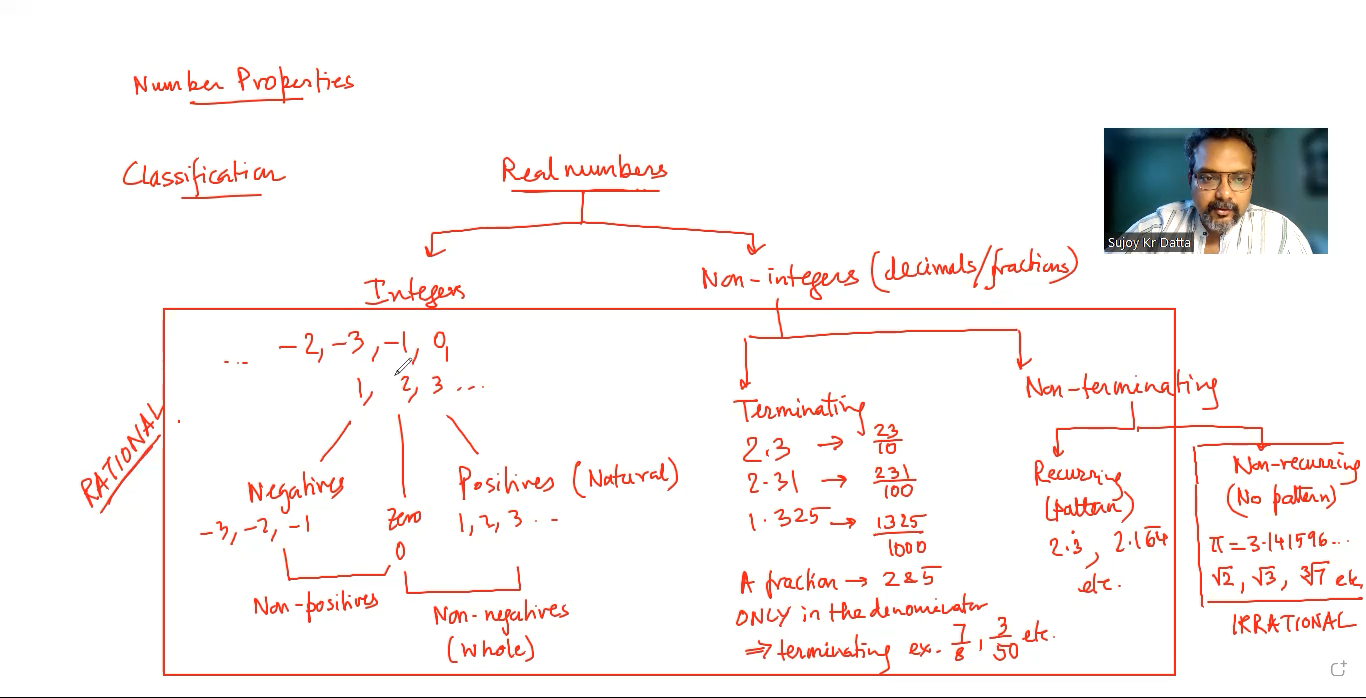
Number Properties 1
GMAT - Number properties 1 of 10

Number Properties 3
GMAT Number properties 3 of 10
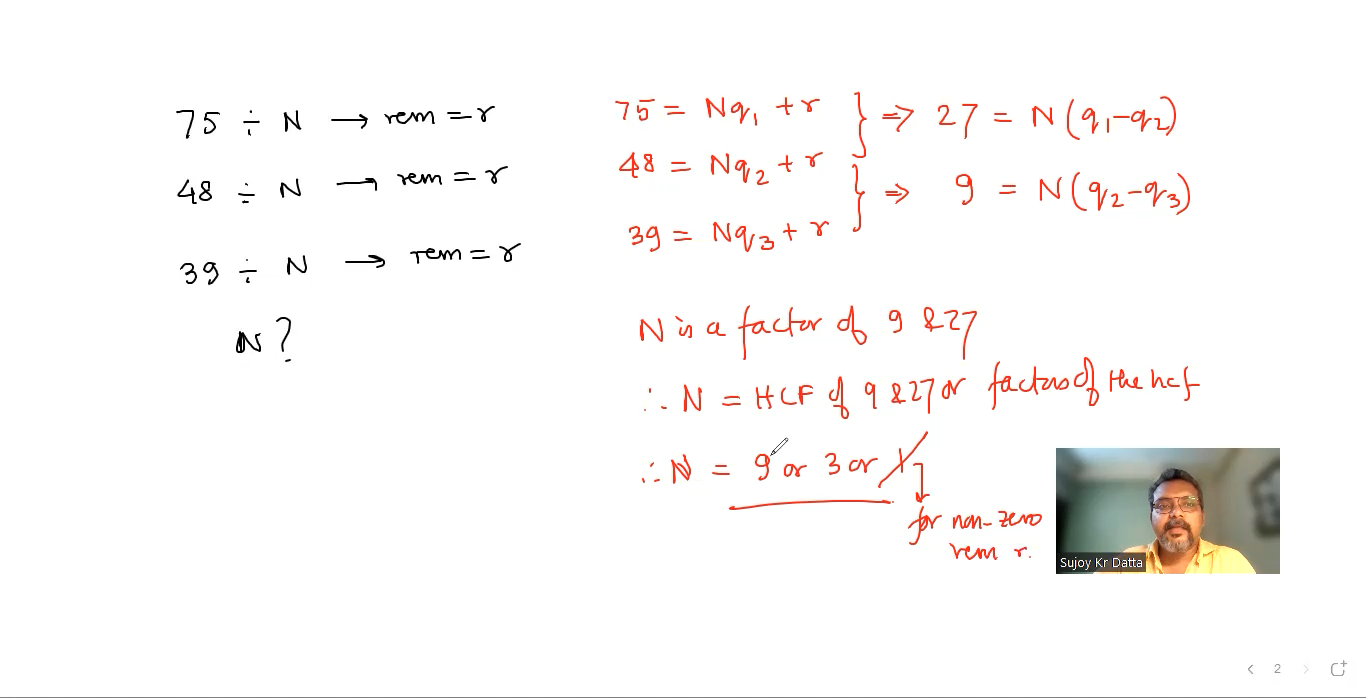
Number Properties 8
GMAT Number properties 8 of 10
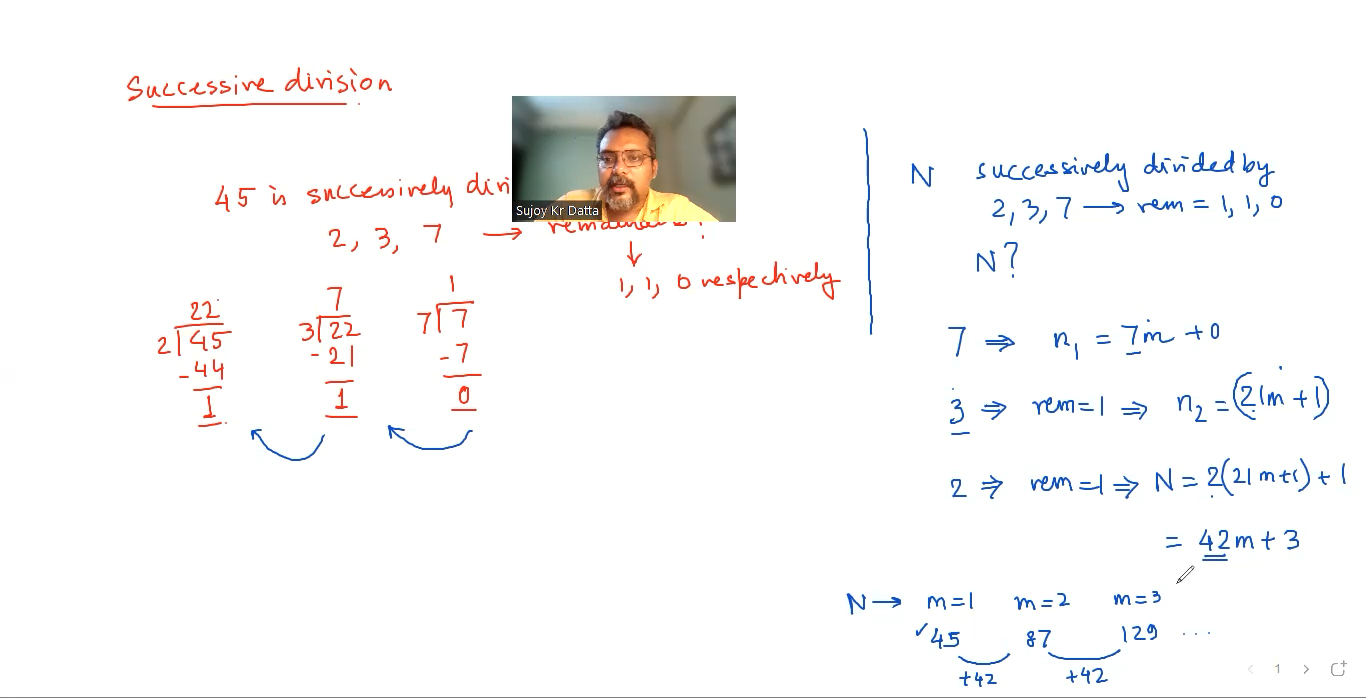
Number Properties 9
GMAT Number properties 9 of 10

Number Properties 5
GMAT Number properties 5 of 10

Number Properties 6
GMAT Number properties 6 of 10
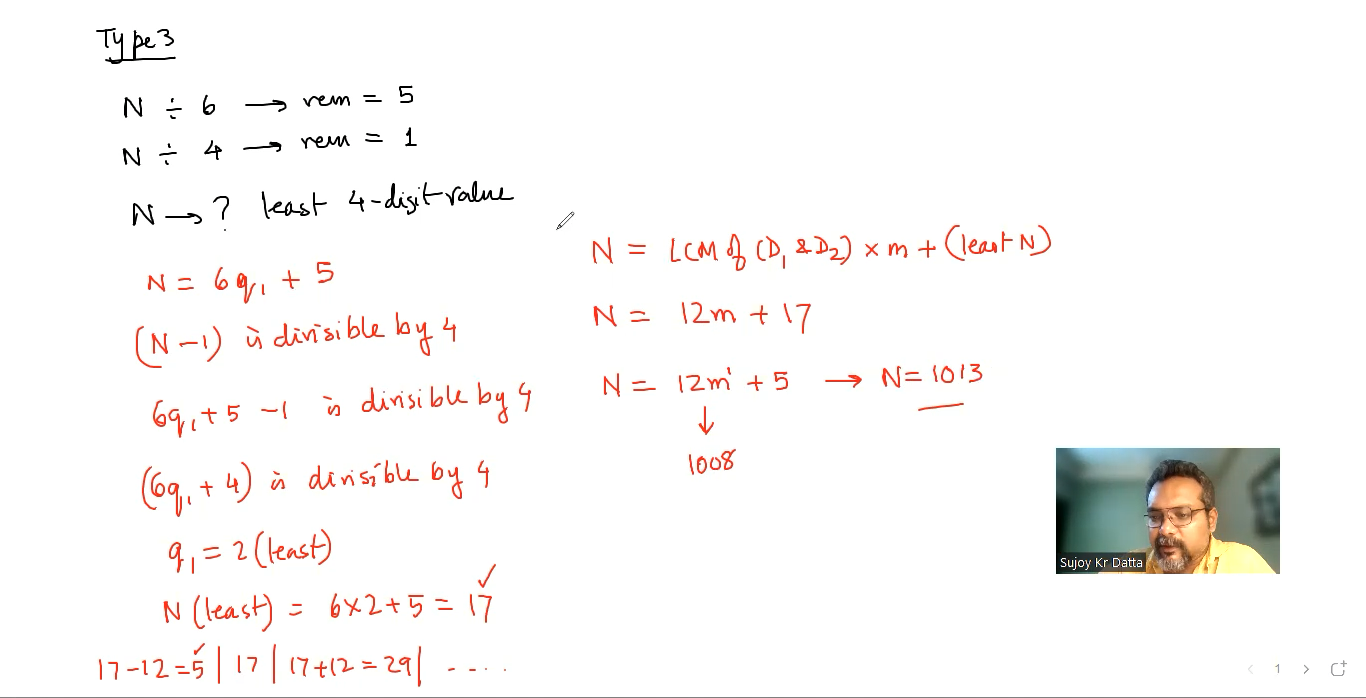
Number Properties 7
GMAT number properties 7 of 10

Number Properties 2
GMAT Number properties 2 of 10
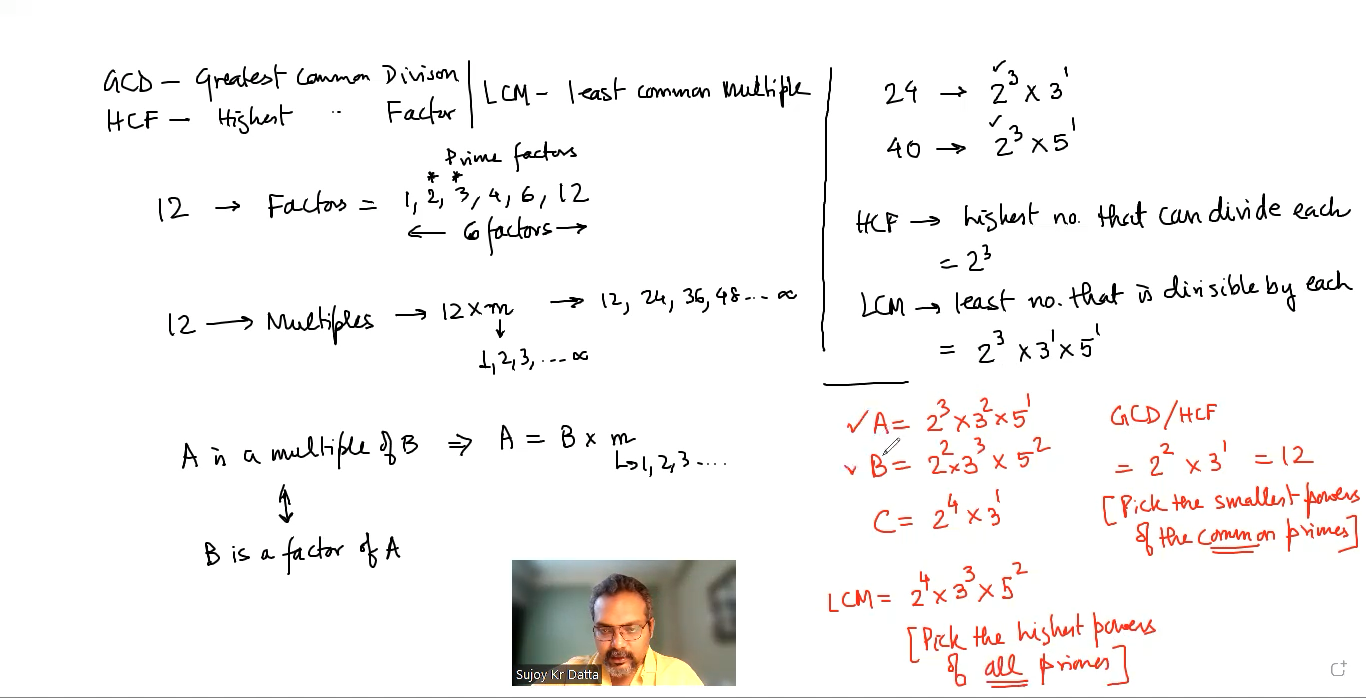
Number Properties 4
GMAT Number properties 4 of 10
![GMAT Quant Isn't About Math: The 4 Skills That Decide Your Quant Score [6/16/2026] (Recording)](https://customer-14xsjmjbqk93tdwp.cloudflarestream.com/f04148d8eea1ada4a8de0447cfc23ba2/thumbnails/thumbnail.jpg)
GMAT Quant Isn't About Math: The 4 Skills That Decide Your Quant Score [6/16/2026] (Recording)
About this event You've done hundreds of problems. You know the formulas. Your score isn't moving. Here's why: the GMAT isn't actually testing your math. The math on Quant is high school level — it has to be, because there's no calculator. What separates a 600 from a 700+ isn't more content knowledge. It's the four test-taking skills that decide how every problem unfolds: how you choose your path, how you manage time, how you handle stress, and how you maintain focus across 45 minutes. In this 60-minute session, we'll deep-dive each of those four skills using the same framework I use with my 1:1 students on Leland. You'll see live problem walkthroughs showing the difference between a 4-minute "compute the obvious thing" path and a 20-second "make your life easy" path — and you'll learn the single mental move that makes the second one feel natural. By the end, you'll have a personalized diagnostic of your own weakest skill — and a concrete 4-week plan to actually move your score. --------------------------------------- What you'll learn Why "more practice" doesn't fix the plateau — and what does The 4 Test-Taking Abilities behind every top score (Strategy / Methodology, Time Management, Stress Management, Focus) and how each one maps onto specific in-the-moment moves The one mental question to ask before every Quant problem that re-routes you from the long path to the short one The skip decision framework — when to invest, when to bank time, and how to make the call at the 1-minute mark instead of the 2-minute mark An anti-paralysis protocol for the moment you go blank on test day Your personal TTA profile via 3 live polls — including a 4-question diagnostic that tells you exactly where your prep should focus next --------------------------------------- What you'll walk away with A clear picture of your weakest skill out of the four — and why it's almost certainly the lever that will move your score the most A calibrated 4-week prep plan A short list of pattern-recognition moves you can use on your very next practice session --------------------------------------- Who this event is for - Pre-test or mid-prep MBA applicants targeting 700+ - Students who have plateaued despite putting in significant prep hours - Anyone whose mock scores consistently trail their practice scores by 5+ points - Students who have done content review and want to know what to do next This is not a content-review session. We will not cover formulas, definitions, or "how to solve a quadratic." If you're at the foundational-content stage, this event will be most useful after you've done your first content pass. --------------------------------------- Format 60 minutes, live Fully worked problems demonstrating compute-first vs. think-first approaches Open Q&A at the end --------------------------------------- About the host Josh P. is a GMAT coach on Leland who works with students across all three sections — Quantitative Reasoning, Verbal Reasoning, and Data Insights. He has developed a structured methodology for diagnosing and addressing the test-taking skills that determine scores — refined across hundreds of 1:1 students over multiple years. The four-skill framework taught in this event applies across the whole test; tonight we focus it on Quant. His students span pre-MBA candidates targeting top-10 programs, professionals returning to the test after a long gap, and applicants who have hit a plateau and need a fresh diagnostic to break through. Book a free 1:1 intro on his Leland profile to discuss your own GMAT prep.

Percentages and Statistics Problem Examples
This deck teaches percentage and statistics concepts for GMAT and GRE and includes example problems similar to those on the exam. Concepts and problems are explained in a video walkthrough by the author in "GMAT & GRE: Percentages and Statistics #1 [and #2]".
Permutations and Combinations Examples
This deck breaks down permutations and combinations for the GMAT and the GRE. It covers both basic and advanced concepts with example questions. Concepts and problems are explained in a video walkthrough by the author in "Permutations and Combinations for the GMAT and GRE".
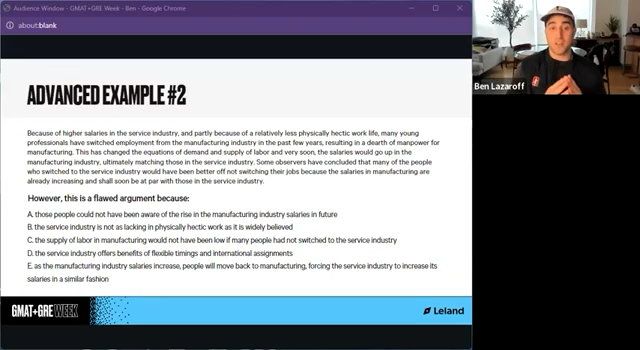
Thinking Fast & Slow: Mastering Critical Reasoning with a Stanford MBA
Approach critical reasoning questions with confidence after practicing these techniques from a GMAT/GRE expert.