




Best MCAT Tutors 2026–27

The best MCAT tutors customers choose to reach a top score and med schools like Yale, Stanford, Harvard and more, drawn from Leland's own data.

Updated

The best MCAT tutors for 2026-27 are 10 people that pre-med students keep choosing, from MD and MD-PhD students at Yale, Columbia, Stanford, Harvard and UPenn to practicing physicians. Leland serves millions of customers, and that gives us something no other list has: a clear view of who students actually pick, what they say afterward, and how the work turns out.

The MCAT is a long test that rewards stamina and judgment as much as knowledge. It sits between a pre-med student and every medical school application, and the gap between a score that opens doors and one that closes them can come down to a few habits: how you read a passage, how you review a missed question, how you spend the last ten minutes of a section. A good MCAT tutor works on those habits directly. The people here come at it from different angles, and that breadth is the point of the list.

Some of them built their reputation on the science. One is known for the Chemical and Physical Foundations section. Another has a profile built around CARS, the reading section where many strong science students stall. Some teach high-yield strategy for students short on time, and others center their work on a single study plan, a steady mentor relationship, or a physician's view of what the test is really checking. A few climbed from a middling practice score to a very high one and now teach that climb. Others are non-traditional students who know what it is like to fit prep around a job or a long gap since college.

That range matters because students get stuck in different places. Some know the content cold and lose points on timing. Some read well but have never built a review system that sticks. Others are retaking the test and need to work out what went wrong the first time. If you are weighing medical schools at the top of the field, you are probably also deciding how much of your summer or semester the test can claim. A tutor who has already been through that math can save you real time.

This list is not ranked. It is ordered by demand: how many customers chose to work with each MCAT tutor, highest first. We built it from Leland's own data, including outcomes, content and anonymized transcripts, and we read each public profile for evidence of real MCAT teaching. Everyone here offers services on Leland, and nobody can pay to be included.

Use it as a shortlist. Read the headlines, look at the schools and backgrounds, and pick two or three people whose strengths match where you are stuck. The sections below the list cover what an MCAT tutor does, how to choose one, and when to start. Begin with the section on what a tutor actually does, then go through the entries.

What an MCAT tutor does and when it is worth hiring one

An MCAT tutor is a person who finds out why your score is where it is and then works on that, one weak spot at a time. That sounds simple, but it is different from a course. A course teaches everyone the same thing. A tutor starts from your results.

What happens in a session

Most sessions start with something you have already done: a practice exam, a block of passages, a set of missed questions. The tutor reads your mistakes and sorts them. Was it a content gap? A misread question? Running out of time? Each cause has a different fix, and a tutor can tell them apart faster than you can alone.

From there the work tends to look like this:

  • Walking through missed questions and rebuilding the reasoning, not just the answer
  • Teaching the content you are missing, in the order you need it
  • Practicing timing and pacing, so you stop leaving points on the table
  • Building a review habit you can keep going between sessions

The profiles on this list show how varied this gets. One tutor centers sessions on CARS. Another is known for Chemical and Physical Foundations. Others focus on high-yield strategy, study technique, or a single manageable plan built once and handed to you.

Across an engagement

Over several weeks, a good tutor adjusts. Early sessions diagnose. Middle sessions close gaps. Later sessions are about test conditions: full-length practice, stamina, and keeping nerves from costing you points. Read The MCAT Breakdown if you want to see what each section asks of you before you start.

What a tutor does not do

A tutor does not take the test for you, and no one on this list can promise a score. They also will not replace your own practice. The students who get the most from tutoring do the work between sessions.

Who gets the most out of one

  • Students who have taken a practice test and are stuck below the score they need
  • Students retaking the test who want to understand what went wrong
  • Students with a tight timeline, where a wasted month would hurt
  • Students who study well alone but need someone to check their approach

Who can skip it

If you are scoring where you want on practice exams and your review habits are solid, you may not need one. Some students do well with self-study and a structured plan. How to Know Whether Self-Study or a MCAT Prep Course is Right For You walks through that decision. Rates on this list run from $20 to $350 an hour, so there is also a lighter option if you only want a plan or a second opinion.

The full list at a glance

The 2026–27 ranking

Jaspreet K.

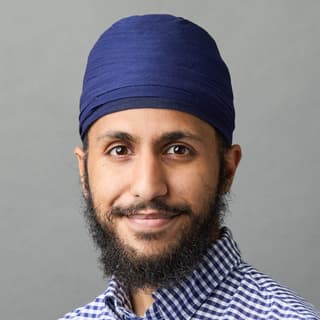
Jaspreet Kohli

Yale MD/PhD Expert MCAT Tutor, Students Average 516+, Individualized Mentor

  • 5.00
    8 reviews
  • From $160/hr

Yale MD/PhD training shapes how Jaspreet teaches, with sessions built around the individual student instead of a fixed syllabus. The mentor style suits students who want the plan adjusted as they go. Best for: Students who want a mentor-style MCAT tutor and a plan tailored to them.
Elijah D.

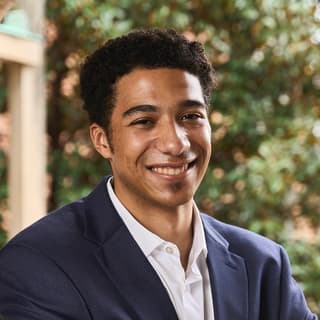
Elijah Darden

Columbia Med Student | Gates-Cambridge Scholar | MCAT Expert in CPBS

  • 5.00
    28 reviews
  • From $129/hr

Content depth is where Elijah stands out, especially the Chemical and Physical Foundations section. He is a Columbia medical student and Gates Cambridge Scholar, so the science he teaches is current. Best for: Students who want help with the science-heavy Chemical and Physical Foundations section.

Popular packages

Rebecca L.

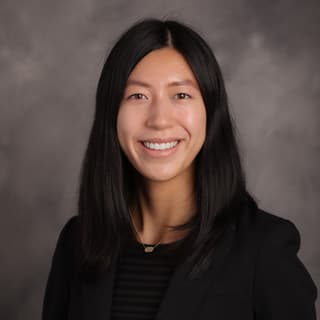
Rebecca Lin

MCAT Master Tutor | 99th Percentile | 1000+ Hours of Experience | WashU MD

  • 5.00
    8 reviews
  • From $259/hr

Rebecca brings a WashU MD and a long record of tutoring hours to every session. She suits students who want a seasoned teacher who already knows where learners tend to stumble. Best for: Students who want a highly experienced MCAT tutor with a physician's background.

  • “I did a CARS focused coaching session with Rebecca and it helped me out a ton!! Highly recommend.”

    Anonymous
  • “I had a great time working with Rebecca! She quickly identified how to address my weaknesses and worked closely with me to make sure I understood why and how to adopt new strategies.”

    Anonymous
  • “Rebecca is a wonderful tutor who really takes the time to work with you and understand your learning style. She is also really great at identifying weak areas and how to improve them. Not only did she help me with each MCAT subject, but she also helped me understand the test and how to prepare logistically through timing and strategy. I really enjoyed working with her and I feel that my MCAT score was greatly improved by her help.”

    Anonymous
See all reviews
Xavier G.

Xavier Garcia

520 MCAT | Weill Cornell MD-PhD Candidate | Personalized Tutoring

  • 5.00
    6 reviews
  • From $129/hr

Weill Cornell's MD-PhD program is where Xavier trains, and that research background shapes how he explains hard material. Tutoring is personalized to the student rather than run from a template. Best for: Students who want personalized tutoring from an MD-PhD candidate.

Leisha D.

Leisha Devisetti

505 --> 525 MCAT | CARS Expert | Personalized Tutoring

  • 5.00
    4 reviews
  • From $79/hr

Reading passages are Leisha's specialty, and CARS is where her tutoring focuses. She has lived a big score improvement herself, so she knows what the climb feels like. Best for: Students whose CARS section is holding back their overall score.

Nicholas S.

Nicholas Szabo

MCAT Expert | 99th Percentile | UPenn M.D. Candidate | Yale B.S.

  • 5.00
    4 reviews
  • From $129/hr

A Yale undergraduate degree and a place in UPenn's M.D. program give Nicholas a strong academic footing. Sessions suit students who want teaching from someone who scored at the very top of the test. Best for: Students aiming for a top-percentile score who want a high scorer as their tutor.

Sam O.

Sam Orenstein

Make the MCAT Make Sense! | 100th Pctl. Score | 8+ Years Tutoring

  • From $259/hr

Making the material make sense is the whole pitch with Sam. Years of tutoring mean he has explained the hard topics more than one way. Best for: Students who feel lost in the content and want it explained clearly.

Blake Y.

Blake Young

Harvard Grad | 6+ Years Tutoring | Boost Your MCAT Score

  • 5.00
    13 reviews
  • From $250/hr

Boosting a score is the brief Blake takes on. A Harvard degree and a long tutoring history sit behind that work. Best for: Students who have a score to lift and want a tutor with a long teaching record.

What the people on this list help with

Find your situation below, then look back at the entries to see who fits. Headlines and best-for lines on each entry will point you to a good first conversation.

You want a very high score

Several tutors on the list lead with their own results, from 520 and above to a 99th percentile score. One also points to a big personal jump, moving from 505 to 525. If you are aiming at the highest-scoring medical schools, a tutor who has been there can show you what that level of preparation looks like day to day. Check the average GPA and MCAT scores of top medical schools to set a realistic target first.

One section is dragging you down

This is one of the most common problems, and the list covers it. Some profiles focus on CARS and reading passages. Another is built around Chemical and Physical Foundations. If one section is the whole story, pick someone who names it in their headline. Our guide on reading comprehension strategies for the MCAT is a good warm-up.

You are short on time

Practical, high-yield strategy is the specialty of a few people here. They help you decide what to skip, what to drill and how to spend the study hours you have. Others build a single plan for students who prefer to study on their own afterward.

You are retaking or coming back later

Some tutors are non-traditional students themselves or have scored well more than once. That helps if you are returning to the test after time away, or if your first attempt did not go the way you hoped. Read How Many Times Can You Take the MCAT? before booking.

You want a mentor or a physician's view

Some people here are current medical students or MD-PhD candidates at schools including Yale, Columbia, UCLA, Weill Cornell and UPenn. Others hold an MD from WashU or a degree from Harvard. They can talk about the test and what comes after it. The MD-PhD candidates bring a research background to how they explain difficult science.

Your budget is a factor

Hourly rates on the list run from $20 to $350, with a median of $129. Lower rates are often a good fit for a plan, a check-in or targeted help. Higher rates often come with long teaching records or physician backgrounds.

What reviews tell you

Featured reviews sit on each public profile. Read them for the specific thing a student says changed, such as a section, a habit or how test day felt, and match that to your own gap.

How to choose an MCAT tutor

Picking from a strong list still takes a little work. The goal is to find the person whose strengths match your problem, then check that you get along.

Start with the gap, not the credentials

Before you read a single profile, write down where you lose points. Use your last practice exam. Is it one section? Timing? Content you never learned well? Nerves? Then look for headlines that speak to that. A tutor who focuses on CARS will not be the best fit for a student whose trouble is physics, no matter how strong their score is.

What to look for in a profile

  • A headline that names a section, a strategy or a kind of student
  • Evidence of actual teaching, such as years tutoring, not just a high score
  • A background that suits your goals, whether that is a medical school, an MD-PhD path or a non-traditional route
  • A rate that fits how often you plan to meet

A high personal score shows mastery of the test. It does not prove someone can teach it. Look for both.

What to look for in reviews

Read the featured reviews for specifics. A reviewer who says what changed (a section, a habit, how they handled test day) tells you more than a general compliment. Ratings are a useful starting signal, but the detail is what helps you decide.

Questions to ask on an intro call

  • How will you start: with a diagnostic, a practice test, or my past results?
  • How do you handle a section I find hard?
  • What do you expect me to do between sessions?
  • How do you adjust if my practice scores stall?
  • How often should we meet given my test date?

Pay attention to how they answer. You want someone who asks about your situation before describing theirs.

Red flags

  • A promise of a specific score or a guaranteed result
  • No questions about your test date, scores or weak sections
  • A one-size-fits-all plan offered before they have seen your work
  • Pressure to buy a large block of sessions before you have talked

Match the style to you

Some students want a mentor. Some want a drill sergeant. Some want one planning session and the freedom to do the rest alone. All three types appear on this list. If test day nerves are part of the problem, read How to Break the Cycle of Performance Anxiety and ask a tutor how they handle it. If your study sessions keep falling apart, How to Overcome Common MCAT Study Roadblocks will help you describe the problem.

When to start and what the work looks like

Start earlier than feels necessary. A tutor is most useful when there is still time to change course, and that window closes fast once you are inside the last few weeks.

Why early is better

Starting early gives you room to plan. You can pick a test date that fits your application, instead of squeezing prep around one you have already booked. It also gives you room to find out what is not working. If a practice score stalls, you can change the approach with weeks to spare, not days. And if you decide on a retake, you have time to do it properly.

The MCAT study schedule guide lays out plans of one, three and six months. For picking a date, see How to Choose the Right MCAT Date and When Should You Take the MCAT?.

A typical engagement, step by step

First call. You talk through your goals, test date and where you are now. Many people on this list start with an intro call, and it is the best way to test the fit.

First sessions. The tutor reviews a practice exam or your past results and finds the pattern behind your misses. You leave with a plan.

Middle weeks. Sessions cover content gaps and question strategy. A tutor focused on CARS will work through passages with you. One focused on Chemical and Physical Foundations will rebuild the weak topics. You practice between sessions and bring the results back.

Final weeks. The focus shifts to full-length practice, pacing and stamina. This is also when nerves matter most. MCAT and Chill has practical ideas for keeping calm.

Test day and after. Your tutor can help you decide what to do with the result, including whether a retake makes sense.

If you only have a short runway

Not everyone has months. If you are tight on time, a tutor who teaches high-yield strategy can help you spend your hours well. Some people on the list also offer a single planning session that gives you a roadmap to follow alone.

Fit it to your life

Busy semesters, jobs and family commitments all change how often you can meet. Several tutors here describe working with students who have crowded schedules or non-traditional paths. Tell them your real week, and ask them to build around it.

The point of starting early

A tutor can help you plan, catch problems while they are small and get a head start on the hardest material. Waiting until your practice scores worry you means you are solving problems with less time. Book an intro call while you still have choices.

How we select the best MCAT tutors

Leland serves millions of customers, with thousands of experts on the platform. That gives us data nobody else has: who customers choose, what they say afterward, and how people's results turn out. We build this list from Leland's own data, including customer outcomes, content and anonymized transcripts, alongside each MCAT tutor's public profile. We use no public sources outside Leland.

We look at the signs of quality and success. Verified reviews and ratings from customers tell us how the work went. Each MCAT tutor's profile shows their background, qualifications and how much MCAT experience they bring. We also look at how people work with them across Leland, and booking activity adds a little more context.

This is a list, not a rank and not a score, and we publish no weights. The order reflects how many customers chose each MCAT tutor. Everyone on this list offers services on Leland. Nobody can pay to be included.

Sources

Leland customer, expert, and outcome data.

Frequently asked questions

Guides to read next

These guides go deeper on the topics that come up most when you are choosing and working with an MCAT tutor. Pick the stage you are in.

Getting oriented

Planning your timeline

Studying well

Retakes and test day

Ranked on this list? Show it off.

Add your badge to your website, LinkedIn or email signature. It links back to the live list, so it always shows the current edition.

Ranked #1 on Leland's Best MCAT Tutors 2026–27

Get help reaching your most ambitious goals.

Work with the people at the top of these lists, starting with a free intro call.