Break Into AI - Create Your Career Transition Plan
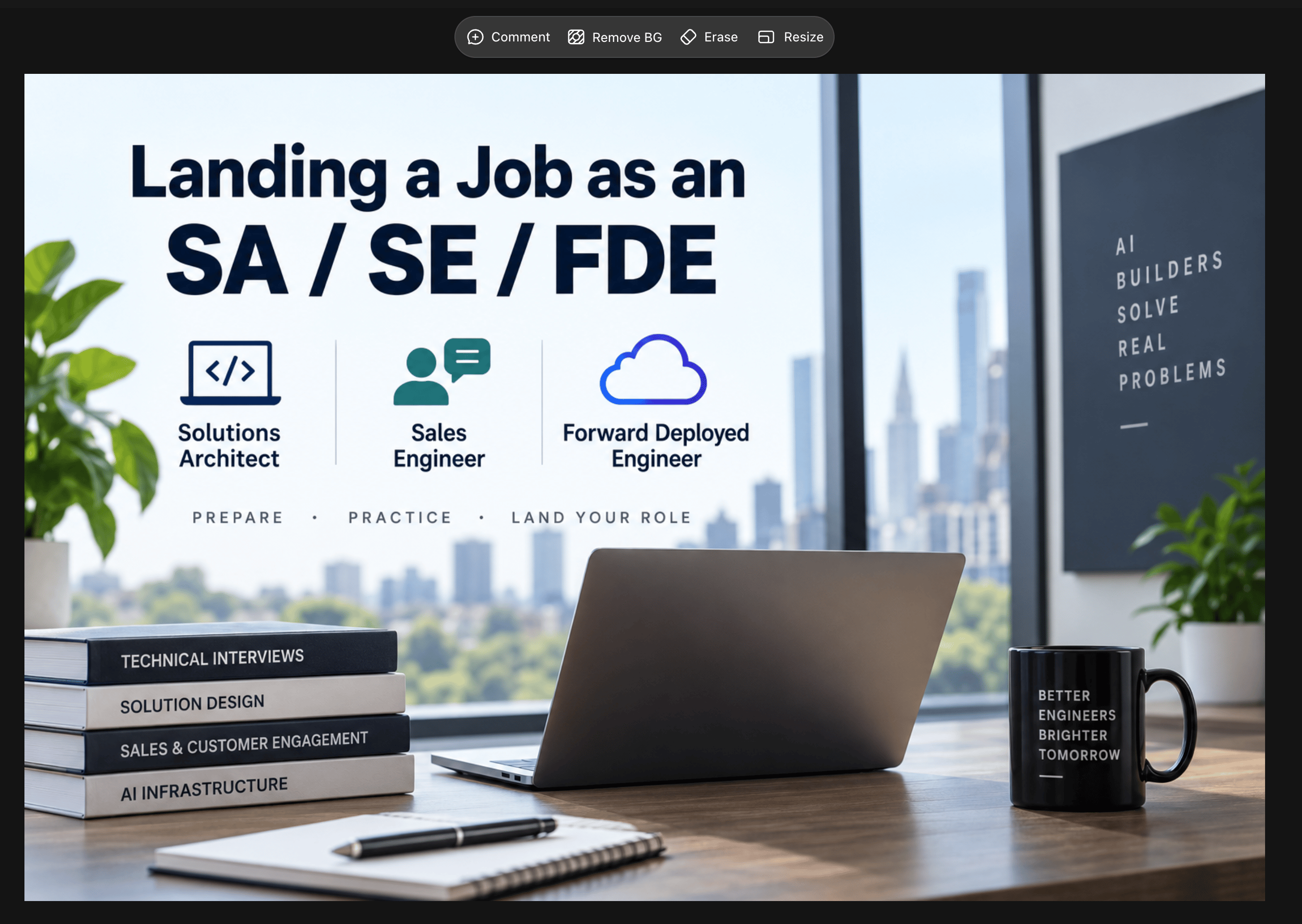
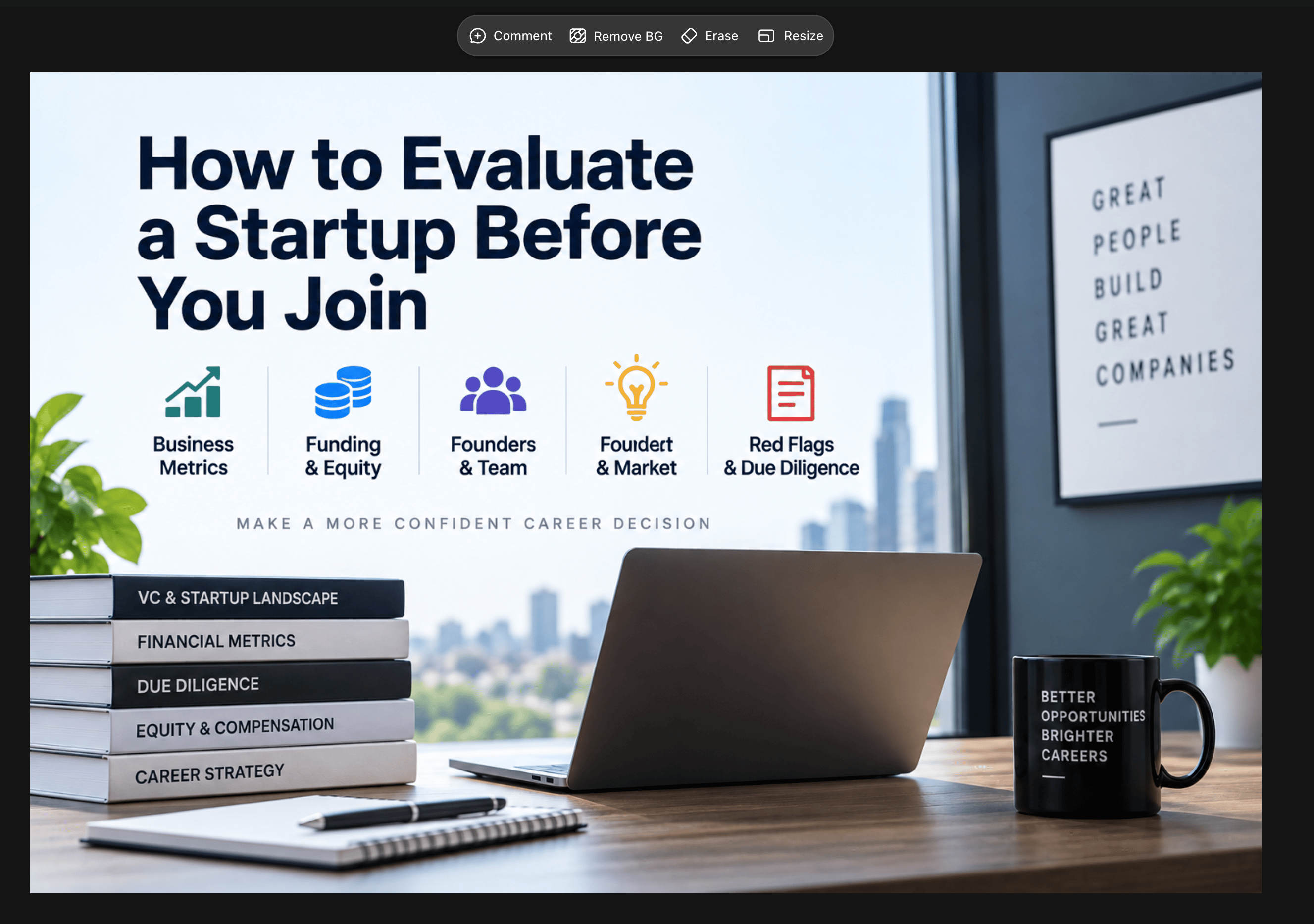
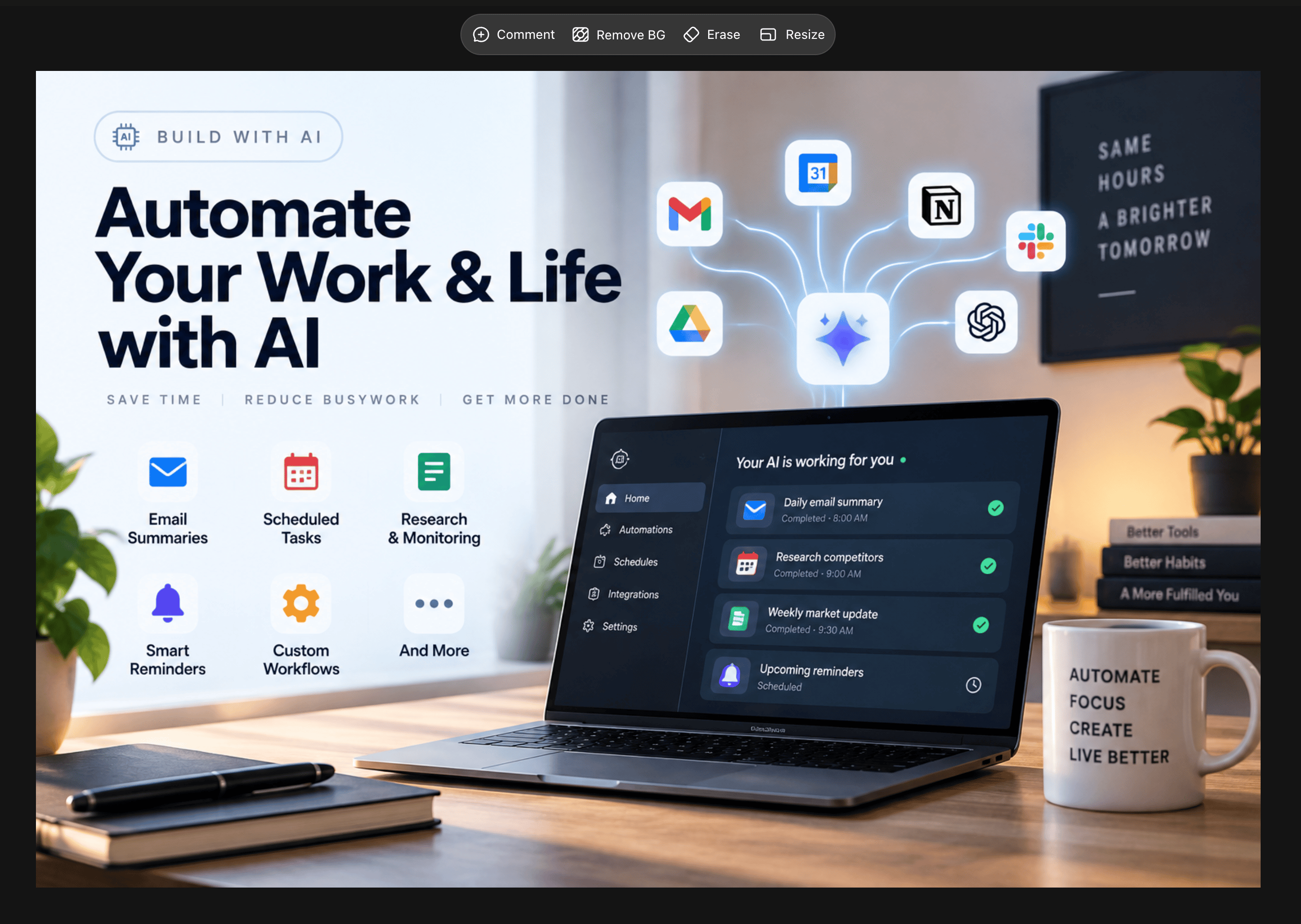
Want to move into AI but aren't sure where your existing experience fits? You don't need to become an ML researcher to build a career in AI. Companies increasingly need product managers, solutions architects, engineers, forward deployed engineers, technical GTM leaders, consultants, and operators who understand how to apply AI to real problems. In this session, we'll take your existing experience and create a realistic strategy for repositioning your career toward AI. We'll work through: - Your current profile: Your experience, technical skills, domain expertise, strengths, gaps, and career goals. - AI career landscape: Which roles exist and which ones actually make sense for your background. - Role selection: Whether you should target AI product, solutions architecture, FDE, engineering, technical GTM, strategy, or another path. - Gap analysis: What you're currently missing — and which perceived gaps actually aren't important. - AI knowledge: Which concepts and technologies you should understand for your target roles without wasting months studying unnecessary material. - Hands-on experience: Projects you can build to demonstrate practical AI experience even if your current employer isn't giving you that opportunity. - Positioning: How to reframe your existing experience so recruiters and hiring managers understand why it's relevant to AI. - Resume & LinkedIn direction: What should become more prominent, what should be de-emphasized, and which keywords or experiences matter. - Company targeting: Which types of AI companies and stages are likely to value your particular background. - Job-search strategy: How to overcome the classic problem of needing AI experience to get a job that gives you AI experience. - Concrete roadmap: What to do over the next several weeks or months to become a substantially stronger candidate. This is particularly useful for people coming from software, cloud, solutions architecture, sales engineering, product, consulting, enterprise technology, or adjacent technical backgrounds.
What's included
- A clearer picture of where you fit within the AI job market.
- A shortlist of roles that make sense for your background.
- An honest assessment of your biggest skill and experience gaps.
- A prioritized learning plan focused on what actually matters.
- Ideas for practical AI projects that can strengthen your candidacy.
- Recommendations for repositioning your resume and professional story.
- A strategy for identifying companies where your existing experience is an advantage.
- A concrete roadmap for making the transition rather than simply “learning more AI.”
Meet your expert

Colin B.
Product @ Poolside | Strategic Career Development for Tech Professionals
I've spent my career at the intersection of technology, customers, and product, from small IT consulting firms to MongoDB, AWS, and most recently Poolside, where I joined as the company's first Solutions Architect and later moved into Product leadership. At Poolside, I helped build the global Solutions Architecture organization from 0 to 7 before identifying an opportunity around sovereign AI, building the first prototype myself, and ultimately leading the resulting product line. Over roughly 14 months, we grew it to ~$3M ARR and 40+ deployments across enterprise, government, and highly regulated environments. I've made several career transitions myself, from IT consulting → Sales Engineering → Solutions Architecture → Product, and I've interviewed extensively across startups and large technology companies. I have an MBA from Boston University and particularly enjoy helping people think through career positioning, technical interviews, compensation, startup opportunities, and how to move between technical, product, and customer-facing roles. I'm also an active builder. Outside of work I've launched my own AI-powered market analytics SaaS and built an open-source agent harness. For anyone looking to understand or build with AI, I'm happy to work hands-on across LLMs, agents, cloud architecture, product strategy, and turning an idea into something real.