Crush Step 1 With Confidence (From somone who passed as a rising MS2)
You've just started or even already made it through preclinicals. Now you face the gap: you know you need to study, but you don't have a clear method. Most students waste three months figuring out which platform to use, which deck to follow, and how to pace their review. They're spinning instead of building. Here's what we do together. We start by mapping your baseline, where you actually stand, what your weak domains are, and what your timeline really allows. Not the timeline you think you should have. The one you actually have. Then we build a study architecture around you: a specific deck, a specific platform, a specific daily structure that fits how you think and how much time you can commit. The goal isn't just to pass Step 1. It's to pass it decisively while building the knowledge foundation that carries into your clinical years and shapes your residency applications. Your Step 1 performance matters. Failing is NOT and option. How you prepared for it matters more. Residency programs want to see someone who studied intentionally, not someone who crammed. We'll establish weekly check-ins to track what's working, adjust what isn't, and keep you calibrated to your actual performance on practice exams, not your anxiety about the exam. By the time you sit down for Step 1, you're not hoping you've prepared enough. You know you have. You've been running the same plan for months. You're a well-oiled machine.
What's included
- A custom study architecture — Your specific deck, platform, daily schedule, and weekly review cadence. Not generic advice. Your actual plan written down.
- A realistic timeline — Week-by-week breakdown from start to exam day. You know exactly when you're hitting each subject block, when you're doing cumulative review, when you're taking full-length exams.
- A practice exam strategy — Which tests to take, when to take them, how to interpret your scores, and how to use each exam to adjust your plan, not panic.
- Weekly accountability checkpoints — Progress tracking against your plan. You see what's working and adjust before you're three months in spinning.
Meet your expert
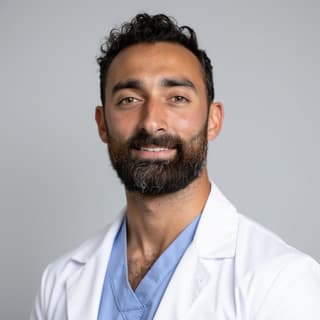
Jibreel A.
Learn how I passed Step 1 after MS1, and Step 2 after MS2 and got a 260.
I grew up in a family that taught people how to keep other people alive. Both my parents are physicians. My mother is a pediatrician, my father an emergency physician who worked the Albania-Kosovo border with war refugees. Our family trips were training trips. By the time I was ten I was running skill stations at tactical medicine courses, teaching tourniquets to grown men twice my size. The point was never that I was precocious. The point was that the method was simple enough for a ten year old to teach. That has shaped how I approach almost everything since. Most of what looks impossible is a sequence nobody has broken down for you yet. Before medical school I was an ocean lifeguard and an EMT. I did street medicine and volunteered doing global health work with an NGO at the U.S.-Mexico border in as well as field research in rural northern India. I am a Wilderness First Responder. I still surf, and I help run outdoor programming for my community, mostly getting people into mountains and water they assumed were not for them. Now I am a fourth year medical student going into emergency medicine. My current research is on head injury in big wave surfers, the people who get held under, surface, and paddle back out. Here is what I have learned mentoring premeds. Most of you already have the pieces. Hours, a score, a lab, an experience you have never once said out loud in the right order. What is missing is the line running through them. I am equally interested in whether you get in this cycle as in the next decade you are building toward, because getting in without knowing why is its own kind of trouble later. You are not assembling a résumé. You are becoming someone strangers will have to trust on the worst day of their life.