List of Pre-Dental Programs in the US – With Rankings & Acceptance Rates
Compare the best pre-dental programs in the US by advising, cost, and clinical access, plus real acceptance data and how to pick your fit.
Posted August 5, 2026




Table of Contents
Choosing where to spend your undergraduate years is the first real decision of your pre-dental journey, and it matters more than most students realize. The right environment protects your GPA, connects you to shadowing and research, and surrounds you with pre-health advisors who understand dental admissions specifically. The wrong one leaves you fighting for advising scraps and scrambling for clinical hours in your senior year.
This guide will show you the undergraduate schools where the pre-dental track is genuinely well supported. Second, it will give you the dental school acceptance data you actually need, clearly labeled so you always know whether a number describes an undergraduate college or a dental school. Mixing those two up is the single most common mistake in pre-dental content, and it leads students to make decisions based on the wrong statistics.
Read: Is Dental School Worth It? The Pros, Cons, & How to Decide
What Is a Pre-Dental Program?
A pre-dental program is an undergraduate track, not a major, that prepares students for dental school. You can be a pre-dental student while majoring in general biology, general chemistry, biochemistry, psychology, environmental science, or almost anything else. What makes it "pre-dental" is the combination of prerequisite course requirements, dental-focused advising, and clinical exposure you complete alongside your degree.
A strong pre-dentistry track typically includes:
- Core science courses - General biology, general chemistry, organic chemistry, physics, and usually biochemistry. These are the prerequisite course requirements nearly every dental school expects, and they form the foundation for the Dental Admission Test. Organic chemistry in particular tends to be the course that separates competitive applicants from the rest, so the quality of teaching and support here matters.
- A dedicated pre-dental advisor - Notice the word "dental." Many colleges lump dentistry in with general pre-health advising, which skews heavily toward medical school. You want pre-health advisors who know dental-specific volunteering, DAT timelines, and how the ADEA AADSAS application actually works.
- Clinical exposure opportunities - Shadowing general dentists, volunteering in dental clinics, and community service tied to oral health. Proximity to a dental school or teaching hospital makes this dramatically easier to arrange.
- Dental Admission Test preparation - Test prep workshops, practice exams, and tutoring. The DAT moved to a new 200 to 600 scoring scale in March 2025, so make sure any prep resources a school offers reflect the current format rather than the old 1 to 30 scale.
- Research opportunities. Access to biomedical or dental research strengthens your dental school application, especially at more competitive programs.
- A real pre-dental community - Pre-dental societies, clubs, and leadership roles. A collaborative peer group carries you through the hard semesters far better than a cutthroat one does.
The best pre-dental programs actively move you toward becoming a competitive applicant rather than leaving you to figure it out alone.
What Actually Makes a Pre-Dental Program "Good"
Before the list, understand what you are looking for, because the answer is probably not what a prestige ranking would tell you. Real dental students, in forums like r/predental and r/ApplyingToCollege, consistently point to the same priorities, and they rarely lead with prestige.
- Grade friendliness - Dental schools care enormously about GPA. The average GPA for recent entering classes sits around 3.5 to 3.7. A school with brutal grade deflation can quietly sink your application even if the name looks impressive. Sometimes the "hardest" school is not the smart choice.
- Cost and debt - Dental school is one of the most expensive graduate paths in the country, with total debt frequently landing in the several hundred thousand dollar range. Every dollar of undergraduate debt you avoid gives you more flexibility later. This is why strong in-state public options often beat pricey private names for pre-dental students.
- Clinical and research access - Schools near dental clinics, hospitals, or an on-campus dental school make it far easier to log shadowing hours and find research, which is a genuine advantage when you attend dental school interviews and need real experiences to discuss.
- Advising that actually knows dentistry - A pre-dental advisor who understands the field is worth more than a famous name attached to generic pre-health support.
Keep those four in mind as you read the list below.
The Best Undergraduate Schools for Pre-Dental Students in the U.S.
These are undergraduate colleges where the pre-dentistry track is well supported, chosen for strong science programs, dental-focused advising, and real clinical access. A recurring theme worth calling out: several of these universities have their own dental school on campus, which gives undergraduate pre-dental students a built-in pipeline for shadowing, research, and mentorship that most colleges simply cannot match.
Note on the numbers below. Where we cite an acceptance rate, we label whether it describes the undergraduate college or the affiliated dental school, so you are never comparing the wrong figures. Dental school acceptance rates are drawn from the American Dental Education Association 2025 to 2026 Official Guide to Dental Schools and reflect the most recent entering class.
1. University of the Pacific (Stockton, CA)
Pacific is one of the very few universities in the country with its own dental school, the Arthur A. Dugoni School of Dentistry. That is not a trivial perk. Pre-dental students can shadow dentists, sit in on clinic observations, and build relationships with dental faculty starting in their freshman year. Class sizes are smaller, advisors know students by name, and the path to dental school is intentionally structured rather than something you have to invent. Pacific even offers accelerated options that combine undergraduate study with the dental surgery degree track for a faster route to becoming a dentist.
Best fit for: Students who want a clear, supported pre-dentistry program and a tighter-knit academic community over a giant campus.
2. University of Michigan (Ann Arbor, MI)
Michigan's pre-health advising infrastructure is among the strongest in the country, and pre-dental students benefit directly from proximity to the University of Michigan School of Dentistry, one of the top dental schools in the nation. That means shadowing and research opportunities without hunting for them. Ann Arbor is a large, competitive environment, so students who thrive here tend to be self-driven and comfortable advocating for themselves in big lecture halls. If that is you, the resources are hard to beat.
Best fit for: Academically strong, independent students who want a Big Ten research ecosystem.
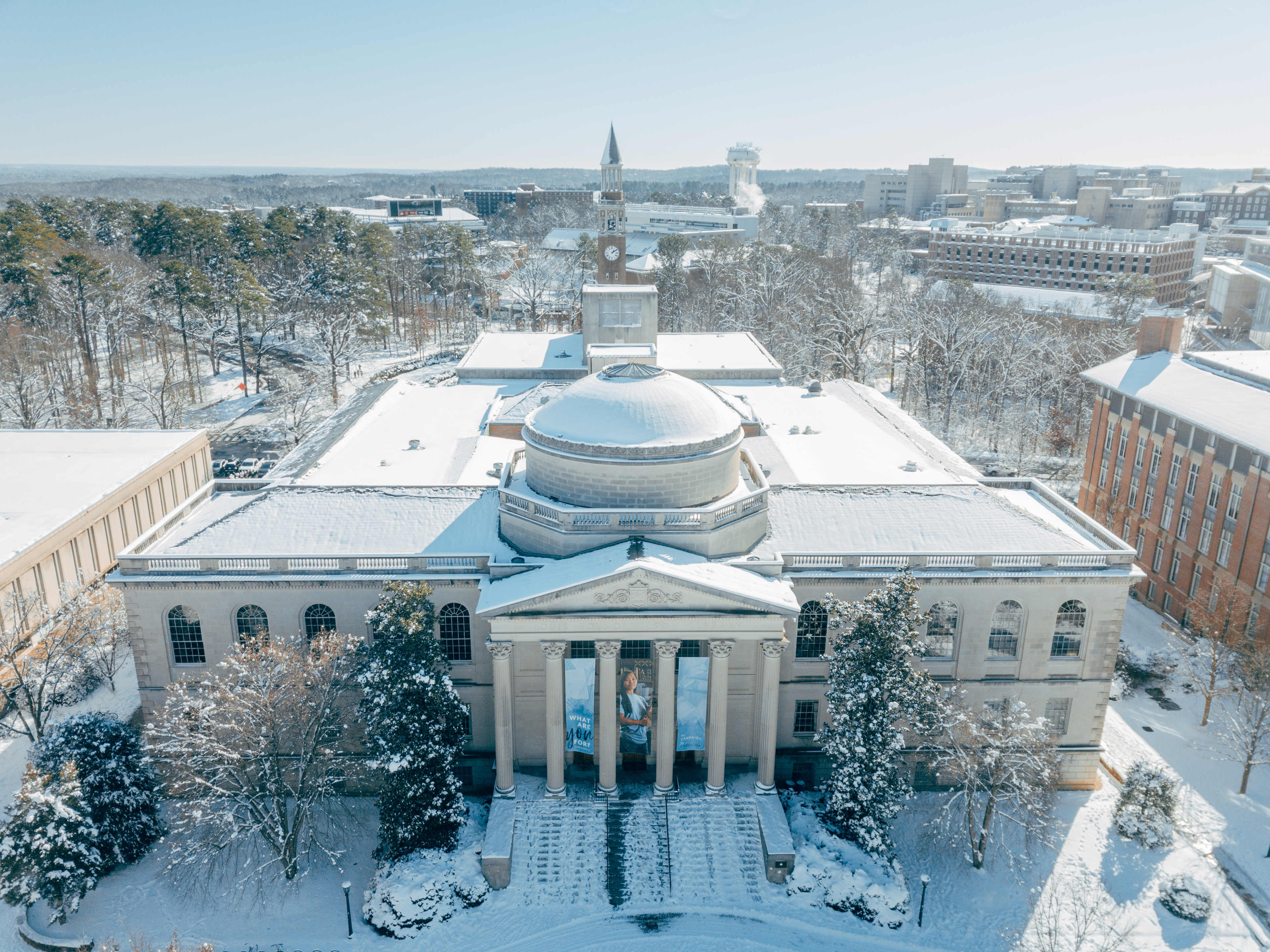
3. University of North Carolina at Chapel Hill (Chapel Hill, NC)
UNC's Adams School of Dentistry is one of the best in the country, and undergraduate pre-dental students at Chapel Hill benefit from proximity to both the dental school and the broader UNC health system. The science programs are rigorous, the research opportunities are real, and the pre-health advising is well developed. For North Carolina residents, this is an outstanding value. Out-of-state students face significantly higher tuition, so run the financial aid numbers honestly before committing.
Best fit for: NC residents, or out of state students for whom the financial fit works.
4. University of Florida (Gainesville, FL)
UF is consistently one of the top public universities for pre-health students, and its pre-dental track benefits from the Shands health system and the UF College of Dentistry. The university runs pre dental fairs and shadowing programs tied directly to its dental school, giving students a clear roadmap. Florida residents get exceptional value here. Out-of-state students should look closely at cost, since the in-state advantage is substantial.
Best fit for: Florida residents, or out-of-state students who want big school resources and a real mentoring commitment.
5. Stony Brook University (Stony Brook, NY)
For pre dental students who want strong research access without a seventy thousand dollar per year price tag, Stony Brook deserves serious consideration. As a flagship SUNY with its own dental school, the Stony Brook School of Dental Medicine, undergraduates get meaningful access to clinical shadowing and faculty research. The academic culture is rigorous, and the student body is diverse and driven. This is a particularly strong option for New York residents managing cost.
Best fit for: High-achieving, budget-conscious students who want research and clinical access at a large public university.
6. University of Pittsburgh (Pittsburgh, PA)
Pitt has one of the strongest pre-dental setups of any public research university in Pennsylvania, anchored by the University of Pittsburgh School of Dental Medicine. Pre-dental advising is structured and proactive, and students have legitimate access to research, shadowing, and clinical experiences. Pittsburgh is increasingly vibrant, and the cost of living keeps it manageable for students on a budget. The academic culture leans collaborative rather than hyper-competitive.
Best fit for: Students who want strong pre-dental infrastructure, a livable city, and a collaborative environment.
7. Boston University (Boston, MA)
BU's pre-health program is well resourced, and the Henry M. Goldman School of Dental Medicine is highly regarded. Being in Boston, one of the densest healthcare hubs in the world, means shadowing, volunteering, and research opportunities are genuinely close at hand. BU rewards students who are proactive and willing to take advantage of the city around them. If you plan to sit back and wait for opportunities to come to you, a smaller school might serve you better.
Best fit for: Self-motivated students who want an urban campus and plan to use Boston's health ecosystem fully.
8. Case Western Reserve University (Cleveland, OH)
Case Western is a research-intensive university with a direct connection to the Case Western Reserve University School of Dental Medicine. Pre-dental students have access to one of the most active dental research environments in the country, plus the university's relationship with the Cleveland Clinic adds another layer of health exposure. Small classes and a tight mentoring environment make this a strong fit for students who want personal attention. The workload is demanding, so it rewards students who genuinely love the science.
Best fit for: High-achieving students passionate about the science of dentistry who want a research-forward environment.
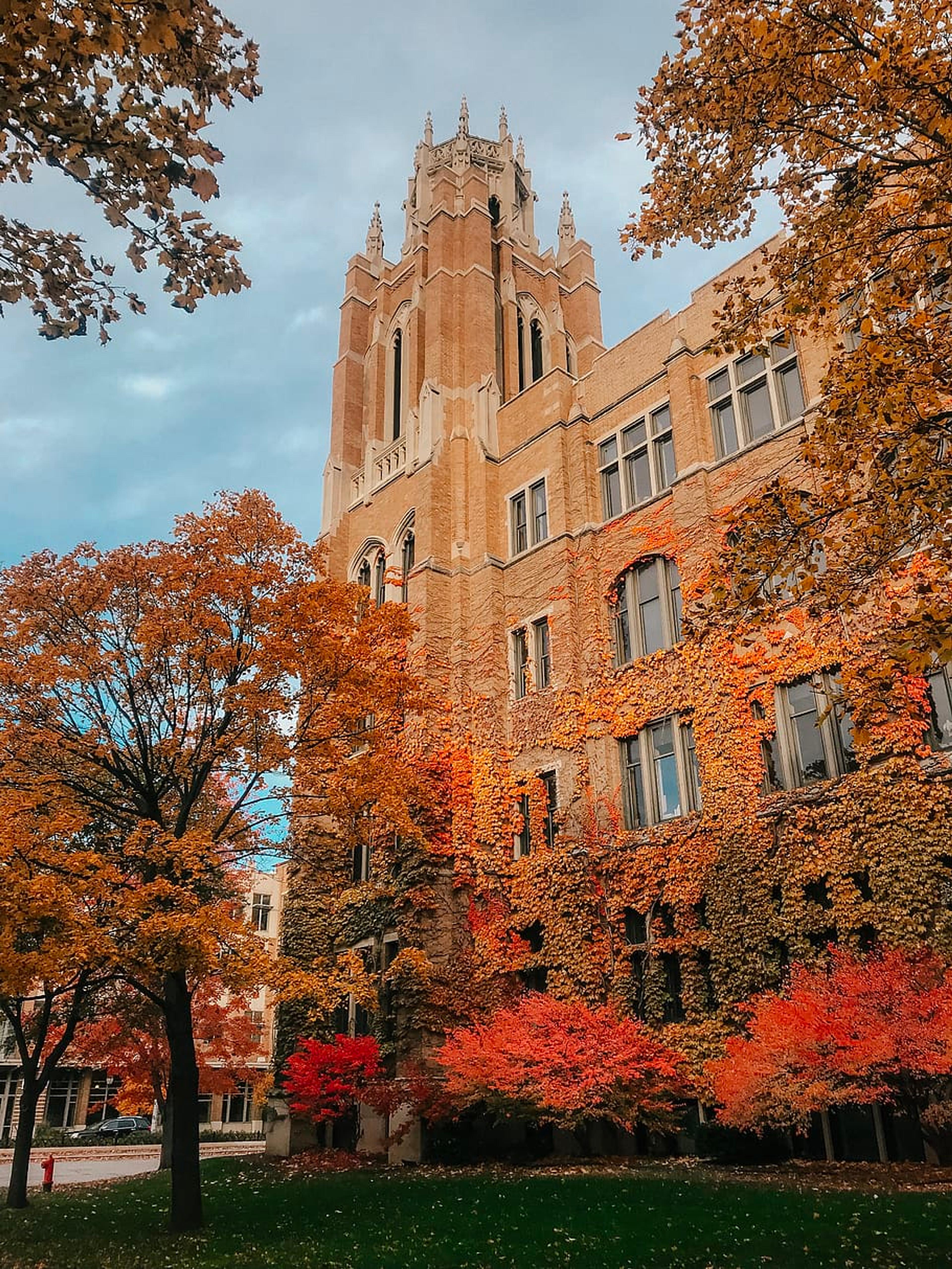
9. Marquette University (Milwaukee, WI)
Marquette is a Jesuit university with a dedicated pre-dental advising program and direct proximity to the Marquette University School of Dentistry, one of the few dental schools in the upper Midwest. Students benefit from early clinical exposure, a collaborative rather than cutthroat culture, and strong faculty mentorship. The values-driven environment tends to attract community-minded students, which is an asset when dental school applications and your personal statement ask about your commitment to patient care and community service.
Best fit for: Students who want a values-driven, mid-size university with a genuine pipeline to dental school.
10. James Madison University (Harrisonburg, VA)
Not every pre-dental school needs to be a giant research university. JMU offers an excellent pre-health advising program, strong science faculty who know their students personally, and a campus culture that protects wellbeing alongside academics, which matters a great deal when you are trying to hold your GPA through organic chemistry. JMU pre-dental students often stand out in dental school applications precisely because they had the mentorship, leadership, and community engagement that larger schools make harder to access.
Best fit for: Students who want a supportive, mid-size experience where they can stand out and earn strong letters of recommendation.

Interested in Dentistry?
Work with a top dental admissions coach who can help you get into your dream program.
- Cheryline P: NYU College of Dentistry DDS graduate and NYU admissions committee member who has coached 60+ pre-dental students
- Ty C: Harvard School of Dental Medicine DMD candidate and DAT Bootcamp tutor, accepted to six programs including Harvard, UCLA, and UT Health Houston, with a specialty in out-of-state applicants
- Sreya P: University of Pennsylvania School of Dental Medicine student who has coached 40+ pre-dental students into schools including UPenn, Michigan, UCSF, NYU, Columbia, UCLA, and Harvard
Dental School Acceptance Rates
Once you understand the undergraduate side, the next question every pre-dental student asks is how competitive the dental schools themselves are. This is where labeling matters, because the figures below describe dental schools, the graduate programs you apply to after your bachelor's degree, not undergraduate colleges.
Across accredited programs, the average dental school acceptance rate is roughly 16 percent, meaning about one in six applicants receives an offer. The table below shows a sample of dental schools across the selectivity spectrum, with average total GPA and Dental Admission Test scores for context.
| Dental School | Acceptance Rate | Avg Total GPA | Avg AA DAT (200-600 scale) |
|---|---|---|---|
| Harvard School of Dental Medicine | ~3.5% | 3.91 | ~510 |
| University of Connecticut School of Dental Medicine | ~3.9% | 3.76 | ~450 |
| University of Pennsylvania School of Dental Medicine | ~5.9% | 3.84 | ~470 |
| University of Michigan School of Dentistry | ~13% | 3.82 | ~450 |
| New York University College of Dentistry | ~12% | 3.62 | ~410 |
| Lincoln Memorial University College of Dental Medicine | ~40% | 3.46 | ~380 |
A few patterns worth internalizing. The most selective schools cluster around GPAs above 3.7 and AA DAT scores above 440 on the current scale. Public dental schools frequently show a strong in-state preference, so your home state's programs may be far more attainable for you than the raw national rate suggests. And a higher acceptance rate is not a knock on quality. Every school here is accredited by the Commission on Dental Accreditation, and every graduate sits for the same licensure exams and earns the same right to practice general dentistry.
For a deeper breakdown of every program's admissions data, Leland's guide to the top dental schools and how to get in is a useful next step once you reach the application stage.
How to Choose the Right Pre-Dental Program for You
Fit comes first, always. The school that launches one student into dental school can be the wrong environment for another. Here is what to ask yourself.
1. Do they have a real pre-dental advisor, not just pre-med advising? You want advisors who understand dental school admissions, dental-specific volunteering, and DAT timelines, not a general pre-health office where dentistry is an afterthought.
2. Will I get enough clinical experience? Schools near hospitals, dental clinics, or an on-campus dental school make it much easier to arrange shadowing and patient-facing experience, which is a significant boost for your application.
3. Can I actually thrive academically here? Look for a place that challenges you without drowning you. Most dental schools require strong grades, so a program where you can realistically hold a high GPA often beats a more famous school where you cannot.
4. Is there a supportive pre-dental student community? Motivated, collaborative classmates make the whole journey easier and more sustainable. A cutthroat environment does the opposite.
5. Will I have research opportunities if I want them? Even for clinically focused students, research on your application opens extra doors, especially at competitive programs.
6. What is the financial picture? Minimizing undergraduate debt is one of the smartest moves you can make. Dental school is expensive, so graduating with less debt from your bachelor's degree gives you real flexibility later. Factor in scholarships, in-state tuition, and financial aid honestly.
7. Am I genuinely excited about this school? Gut check. If you are excited to meet professors, join clubs, and dig into your coursework, that energy carries you through the hard semesters. "Fine" is not the same as "excited."
A Realistic Pre-Dental Timeline
Knowing roughly what happens when helps you avoid the classic mistake of waiting until junior year to start. Here is a workable rhythm across your undergraduate years.
| Stage | What to Focus On |
|---|---|
| Freshman year | Meet with a pre-dental advisor early, start your general biology and general chemistry sequence, and begin building relationships with faculty. It is never too early to shadow a general dentist for a few hours. |
| Sophomore year | Move into organic chemistry and deeper science courses, join a pre-dental society, and start logging shadowing and community service hours consistently rather than cramming them later. |
| Junior year | Prepare for the Dental Admission Test, ideally testing in late spring or summer. Line up letters of recommendation from professors who know you. Keep building clinical and research experiences. |
| Summer before senior year | Submit your ADEA AADSAS application as early in the cycle as possible, even before every score or letter is finalized. Applying early genuinely improves your odds. Watch application deadlines closely, since dental school timelines are unforgiving. |
| Senior year | Complete secondary applications, prepare for interviews with mock interviews through your pre-health office, and stay engaged in your experiences. Interviews typically run from late summer through spring. |
Give yourself at least six months of real runway before each major deadline, and the process feels manageable rather than frantic.
Bottom Line
The pre-dental program you choose can open doors or quietly close them. The right school challenges you, supports you, and gives you every opportunity to build a strong dental school application.
Focus on fit, resources, advising, and clinical access. Do not chase big names for their own sake. Chase the environment that will help you protect your GPA, gain real experience, and grow into a competitive applicant. Your pre-dental journey starts with one smart choice, so make it count.
Choose the Best Pre-Dental Program with the Help of an Expert
If you know you want to pursue dentistry but could use guidance, you are in the right place. Your path begins with the pre-dentistry program that fits you best, and Leland's qualified coaches can help you decide where to go and how to get there.
Work with a dental school admissions coach to make sure everything from your coursework to your applications sets you up for a strong start to your dental career.
See: The 10 Best Dental Coaches for Application & Interview Prep
Top Coaches

Read next:
- Preparing for Your Dental School Interview: Proven Tips for Success
- The Different Types of Medical Careers – and Which One is Right for You
- How to Ace the Dental Admission Test (DAT): 5 Tips for Success
- Dental School Letter of Intent Guide (With Examples)
- How Many Volunteer Hours for Dental School (& How to Get Them)
Pre-Dental FAQs
What major is best for pre-dental?
- Most dental schools do not require a specific major. Common choices among pre-health students include general biology, general chemistry, and biochemistry, but psychology and environmental science work equally well as long as you complete the prerequisite course requirements. The best major is one you enjoy and can excel in, since a strong GPA matters more than the subject on your diploma.
What pre-professional program is dentistry?
- Dentistry falls under the health professions umbrella. Students follow a pre-dentistry track during college, completing the science courses required for dental school admission alongside their chosen major.
What is the fastest you can become a dentist?
- The typical path is seven to eight years total: three to four years for a bachelor's degree, then four years of dental school to earn your dental surgery degree. Some accelerated programs combine undergraduate and dental study into a six- or seven-year track, but these are very competitive. From there, general dentistry requires no further training, while specialties like orthodontics or oral surgery require additional residency years.
How long does pre-dentistry take?
- Pre-dentistry usually spans the four undergraduate years. You complete the prerequisite courses during that time before applying to dental school, most often in the summer before or during your senior year.
What is a good GPA for pre-dental?
- Aim for at least a 3.5 to stay competitive. Many students who attend dental school have GPAs closer to 3.7 or higher, especially in the science courses most dental schools weigh heavily.
How many dental schools are there in the U.S.?
- There are now roughly 78 accredited dental schools in the United States, a number that has grown steadily as new programs open.