How to Get Into Harvard Medical School: Requirements & Application (2026)
If you're considering applying to Harvard Medical School, it's important to know the admission requirements and application process.
Posted January 4, 2026



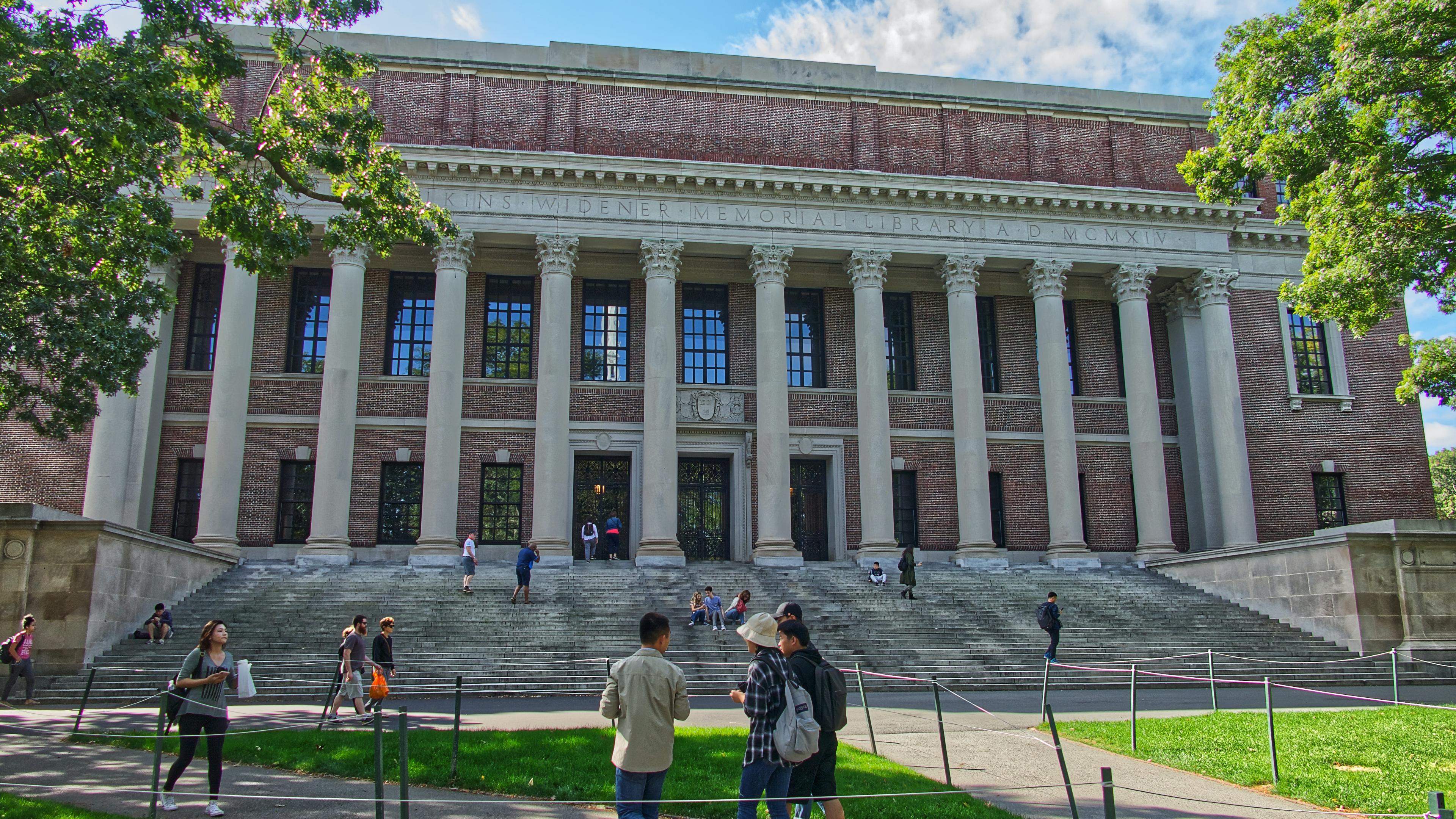
Table of Contents
For many aspiring doctors, Harvard Medical School is the dream institution. With its renowned reputation and top-tier medical education, it's no wonder that so many applicants try their best to get in. Harvard Medical School (HMS) is consistently ranked as one of the best medical schools in the world, and for good reason. With access to world-class faculty, state-of-the-art affiliated hospitals, and a diverse and talented student body, attending Harvard Medical School is an unparalleled opportunity for aspiring physicians, so the admissions process is highly selective, with thousands of applicants each year. Therefore, it's crucial to understand and meet the admission requirements, as well as navigate the application process with care to ensure the best chance of success.
MD Class Profile (Class of 2028)
- Applicants: ~7,166
- Interviews Offered: ~716
- Class Size: 164
- Acceptance Rate: 2.3%
- Average GPA: 3.9
- Average MCAT: 520.59
- BBFL: 130.24
- CARS: 129.08
- CPBS: 130.41
- PSBB: 130.86
- Underrepresented in Medicine: 24%
- Female Students: 56%
- Science Majors: 72%
Harvard Medical School MD Application
Like most medical schools, HMS accepts applications through AMCAS. After submitting the AMCAS application, you’ll receive an invitation to fill out HMS’s secondary application. Harvard Medical School looks for applicants who can demonstrate integrity, maturity, concern for others, leadership potential, and an aptitude for working with others, so having a well-rounded application is important.
Application Deadlines (2023-2024)
| AMCAS Application Opens | Early May 2026 (AMCAS opens May 1 |
| AMCAS Application Submissions Begin | Late May 2026 (earliest submission late May) |
| HMS Secondary Application Opens | Early July 2026 (after AMCAS verification) |
| Interviews Begin | September 2026 |
| AMCAS Application Due | October 15, 2026 |
| HMS Secondary Application Due | October 22, 2026 |
| AMCAS Transcript Deadline | October 30, 2026 (transcripts must be received) |
| Interviews Conclude | January 2027 |
| Admissions Decisions Go Out | Early March 2027 (typical decision release period) |
| Financial Aid Application Materials Due | Mid‑late March 2027 (approximate timing) not always formally posted |
Deadlines for the 2026 application cycle have not been released yet, so stay up-to-date with the HMS admissions page.
Choosing an MD Track
Before beginning your application, you’ll need to choose one of three possible MD tracks. All tracks grant the MD degree, but each has different application requirements.
- Pathways: The Pathways Curriculum emphasizes active learning, critical thinking, early clinical experience, and advanced scientific experiences and involves a scholarly project. Most students are in this track.
- Health Sciences & Technology: The Health Sciences and Technology track is offered in conjunction with MIT and prepares graduates for both academic medicine and clinical care, with a focus on translational medical sciences and engineering.
- MD-PhD: The MD-PhD track trains physician-scientists in a wide range of areas.
Academic Prerequisites
In order to be eligible to apply, you’ll need to meet the following course requirements:
- Biology: One year with lab, should include molecular and cellular aspects
- AP credit can be used to fulfill this requirement if college credit was earned
- Chemistry/biochemistry: Two years with lab, should include organic and inorganic chemistry and biochemistry
- AP credit can be used to fulfill the inorganic chemistry requirement if college credit was earned
- Physics: One year, lab is not required but encouraged
- Pathways: AP credit can be used to fulfill one semester
- HST: One year taken at the college level is required, with calculus-based physics strongly encouraged
- Mathematics: Not required but highly encouraged
- Pathways: One semester each of calculus and statistics (preferably biostatistics) is encouraged
- HST: Upper-level mathematics coursework (such as linear algebra or differential equations) and biostatistics are recommended; evidence of engagement with analytic and computational tools will also be considered
- Behavioral sciences: Recommended to take courses in psychology, sociology, etc.
- Writing: One year, writing-intensive courses are preferred, but humanities and social sciences coursework involving substantial expository writing also satisfies this requirement
- AP credit cannot be used
While not required, HMS recommends taking courses in literature, foreign languages, the arts, humanities, and social sciences, as well as participating in research and independent study, honors courses, and extracurricular and community service activities that prepare you to understand human behavior, appreciate societal structure and function, and achieve cultural awareness for working with diverse communities and future patients.

AMCAS Application
- Identifying Information: You’ll submit your biographic information here.
- Schools Attended: You’ll need to enter all high schools, colleges, and universities attended, as well as official college and university transcripts.
- Biographic Information: Here, you’ll enter additional personal information, such as language proficiency, residency, and any challenges you have faced.
- Coursework: Enter all postsecondary courses you took. These will be used to determine your AMCAS GPA.
- Work/Activities: You’ll enter up to 15 experiences here, such as employment, extracurriculars, honors and awards, and publications.
- Letters of Evaluation: Harvard requires between three and six individual letters of evaluation. All letters must be on official letterhead and signed by your recommenders.
- At least two letters should be from professors in the sciences whose classes you have taken, and at least one should be from a non-science professor.
- You may exceed the six-letter maximum if you are submitting additional letters from research supervisors.
- A premedical advisory committee packet counts as one letter.
- If you have been working while out of school, you should submit a letter from your employer.
- Essays: You’ll need to submit a personal comments essay of 5,300 characters or fewer explaining why you are pursuing medicine. This essay is sent to all medical programs you apply to.
- If you’re applying for the MD-PhD program, you’ll need to submit two additional essays.
- The MD-PhD essay asks you to explain why you are pursuing an MD-PhD in up to 3,000 characters.
- The Significant Research Experience asks about your research experiences in up to 10,000 characters. If your work was published, you should include the full citation in the Work/Activities section.
- Standardized Tests: In this section, you’ll submit your MCAT scores from a test within the past three years. You can also submit scores from any AAMC Preview, LSAT, GRE, GMAT, or MAT exams.
- Fees: Finally, you’ll need to pay a $175 application fee for the first medical school you apply to and $45 for additional schools.
For more information, see the 2024 AMCAS Applicant Guide.
HMS Secondary Application
After submitting the AMCAS application, you’ll be invited to fill out the supplemental application. The prompts are:
- If you have already graduated, briefly (4000 characters maximum) summarize your activities since graduation.
- If there is an important aspect of your personal background or identity not addressed elsewhere in the application that may illuminate how you could contribute to the medical school and that you would like to share with the Committee, we invite you to do so here. Examples might include significant challenges in access to education, unusual socioeconomic factors, or other aspects of your personal or family background to place your prior academic achievements in context or provide further information about your motivation for a career in medicine or the perspectives you might bring to the medical school community. (Optional, 4000 characters)
- The Committee on Admissions understands that the COVID-19 pandemic has impacted applicants in various ways. If you wish to inform the Committee as to how these events have affected you and have not already done so elsewhere in your application, please use this space to do so. (Optional, 4000 characters)
- The interview season for the 2023-2024 cycle will be held virtually and is anticipated to run from mid-September through January 2024. Please indicate any significant (three or more weeks) restriction on your availability for interviews during this period. If none, please leave this section blank. (Optional, 1000 characters)
If you are applying for the HST program, you’ll need to answer an additional question:
The HST MD program draws on the combined resources of Harvard and MIT to provide a distinct preclinical education tailored to preparing students for careers as transformative physicians who will shape the future practice of medicine. Our students come from the full spectrum of disciplines, including biological, physical, engineering, and social sciences. HST classes are small, commonly include graduate student,s and have an emphasis on quantitative and analytic approaches. The unique HST pre-clinical curriculum prepares students well for the HMS clinical education while also emphasizing disease mechanisms and preparing students to solve critical unmet needs in medicine and healthcare (ranging from novel diagnostics and therapeutics to applications of ‘big data’ and systems engineering). Please focus on how your interests, experiences, and aspirations have prepared you for HST (rather than identifying specific HST faculty or research opportunities). (4000 character maximum)
HMS Interviews
Around ten percent of applicants each year are invited by HMS to interview for admission. About 100 faculty members and 30 to 40 current medical students participate in the interviews, which are usually 30 to 45 minutes each.
Our Tips for the Interview:
- Your interviewer will most likely have reviewed your application in depth, so try emphasizing experiences and qualities that are not already listed in your application.
- Consider the HMS mission statement: “To nurture a diverse, inclusive community dedicated to alleviating suffering and improving health and well-being for all through excellence in teaching and learning, discovery and scholarship, and service and leadership.”
- Come with questions: this is also your opportunity to learn more about the medical education, community outreach, patient care, and learning environment at Harvard, and thoughtful questions can help demonstrate genuine interest in the school.
- Practice, practice, practice! An experienced admissions coach can support you through the application and interview and help you determine which personal qualities will make you stand out.
Top Coaches
Pathways Track
The flexible Pathways track allows you to customize your medical education to your interests. The courses in the first two years include the fundamentals of anatomy, histology, biochemistry, and molecular and cellular biology; genetics; immunology; pharmacologic principles; social and population sciences; and organ-system-based modules. In their second year, Harvard medical students will begin a year-long Principal Clinical Experience (PCE), which consists of medicine, surgery, pediatrics, obstetrics and gynecology, neurology, psychiatry, and radiology rotations with faculty mentoring and assessment. After completing the PCE, students will complete scholarly projects, clinical and non-clinical electives, subinternships, and advanced integrated science courses (AISC). Harvard medical students will address a question in medicine and health in their scholarly projects under the guidance of a faculty mentor and submit a written report.
HST Track
First- and second-year students in the HST MD track take similar courses as Pathways students, including the PCE, but they also complete a year-long Growth of the Physician-Scientist course and work on projects at MIT and Harvard University research institutes and affiliated teaching hospitals. After completing the PCE, HST students complete the Anchoring Clinical Experience (ACE), a two-month clerkship at Mount Auburn Hospital. After ACE, HST students round out their medical education with subinternships and advanced electives and submit their thesis in the last year.
MD-PhD Track
The MD-PhD track is very similar to the HST MD track, but it dedicates much more time to research. Students begin their academic medical training in the summer before Year 1 and the PCE is broken up into two segments, in between which are roughly three and a half years for the completion of a thesis, for a total of seven years.
Other than these academic requirements, you’ll also need to complete Basic Life Support training and certification and take the HMS Comprehensive Skills Exam in the summer after the PCE. You’ll also need to complete the USMLE Step 1 in Year 3 and Step 2 in the final year of medical school.
Cost of Attendance
Although medical school remains a significant financial commitment, Harvard Medical School (HMS) is committed to financial aid and reducing student debt. A substantial portion of students receive institutional aid (about 72% receive financial aid, with many benefiting from need‑based scholarships and the HMS Middle Income Initiative). HMS also reports that a sizable share of aid recipients come from families with incomes under $50,000, and roughly half of the MD student body benefits from middle‑income support programs.
| Year 1 | Year 2 | Year 3 | Year 4 | |
|---|---|---|---|---|
| Tuition | $71,032 | $71,032 | $71,032 | $71,032 |
| Mandatory Fees | $2,189 | $1,664 | $1,664 | $1,664 |
| Health Insurance Fee | $4,202 | $4,202 | $4,202 | $4,202 |
| Estimated Living Expenses | $30,465 | $34,458 | $35,746 | $33,639 |
| National Board Exam Fee | NA | NA | $670 | $670 |
| License Fees | NA | NA | NA | $600 |
Key Takeaways
- The medical school at Harvard University is home to one of the best MD programs in the nation. Its rigorous education and affiliation with prestigious hospitals provide active learning experiences and a scientifically-grounded medical education that also emphasizes improving patients’ lives and well-being and addressing health disparities through public health- and social justice-based approaches.
- Before you apply, you should choose between the Pathways, HST, and MD-PhD tracks. Each curriculum ultimately equips you with the knowledge and hands-on experience to become a capable physician, but you’ll learn to improve health more directly in the Pathways track, while the HST and MD-PhD tracks emphasize research.
- Other than the primary AMCAS application, you’ll also need to submit a secondary application and participate in an interview, if invited.
Getting into Harvard Medical School isn’t just about having top scores—it’s about telling a compelling story, showing real impact, and proving you’re ready to lead in medicine. With thousands of high-achieving applicants each year, the edge goes to those who apply with intention, strategy, and clarity.
Want 1:1 help from an expert? Work with a top admissions coach on Leland—many are former med school adcoms or Harvard MDs who know exactly what it takes to stand out. Find your coach. More so, check out medical school bootcamps and free events for more helpful insights!
See: The 10 Highest-Rated Med School Coaches
For more information as you apply to medical school, see these resources:
- The Ultimate Guide to the Medical School Application Process
- A Guide to the T20 Medical Schools in the U.S.
- Stanford University School of Medicine: Admission Requirements and Application Process
- NYU Grossman School of Medicine: Admission Requirements and Application Process
FAQs
What GPA do you need for Harvard Medical School?
- Most admitted students have a GPA of 3.9 or higher, particularly strong in science coursework, reflecting exceptional academic performance.
What is the #1 medical school in the US?
- Harvard Medical School is frequently ranked #1 for research by U.S. News, recognized for its faculty, innovation, and global reputation.
How much does it cost to go to Harvard Medical School for 4 years?
- The estimated total cost for four years is over $430,000, including tuition, fees, health insurance, and living expenses, with generous financial aid available.
What is the average MCAT score for Harvard Medical School?
- The average MCAT score for admitted students is around 520, placing applicants in the top 98th percentile nationally.