Exploring Medical Schools in Florida: Admissions and Program Guide
Explore the top medical schools in Florida with up-to-date stats, expert insights, and tips to choose the right program for your goals.
Posted January 19, 2026




Table of Contents
Florida offers a diverse range of medical schools that deliver world‑class medical education with strong clinical exposure, cutting‑edge facilities, and expansive healthcare systems. Whether you’re an in‑state student taking advantage of lower tuition at public medical schools or an out‑of‑state applicant seeking dynamic clinical training, Florida’s programs prepare future physicians to meet the evolving needs of patients in both urban and rural settings.
From allopathic medicine to osteopathic medicine programs and international medical outreach programs, this guide breaks down the essential admissions criteria, academic offerings, and real‑world student insights you need to make your best choice.
Read: How to Get Into Medical School: The Complete Guide
How to Choose a Medical School in Florida
Choosing the right medical school involves weighing several critical factors. Here are some essential considerations:
Accreditation and Reputation
Medical schools accredited by the LCME or COCA meet high-quality standards. Institutions like the University of Florida College of Medicine and Florida State University College of Medicine are renowned for their contributions to medical research and primary care education.
Program Offerings
Look for schools with comprehensive curricula, offering programs in areas like osteopathic medicine, biomedical sciences, and allopathic medicine. Programs emphasizing early clinical exposure are particularly valuable for hands-on training.
Clinical Opportunities
Florida’s medical schools often have affiliations with major hospitals, providing students access to diverse patient populations and advanced medical technologies. For example, the Miami Miller School is affiliated with Jackson Memorial Hospital, a leader in healthcare innovation.
Research and Community Impact
Schools like the University of Central Florida College of Medicine and Florida Atlantic University Charles E. Schmidt College of Medicine emphasize community health and research, making them ideal for students interested in combining clinical practice with academic medicine.
Tuition and Financial Aid
Public medical schools often offer lower tuition for in-state students, making them more affordable. Consider programs like those at Florida State University College of Medicine, which aim to train physicians committed to serving local communities.
The Top 10 Medical Schools in Florida
Each of these institutions stands out for its academic rigor, clinical training, and contributions to the medical field.

1. University of Florida College of Medicine
- Location: Gainesville, FL
- Acceptance Rate: ~2.42% (2026 incoming class)
- Average MCAT: 516
- Average GPA: ~3.85–3.92
- Program: MD (Allopathic medicine)
- Highlights: Highly respected for research, early clinical exposure, and strong clinical network through UF Health.
- Known for its emphasis on primary care, interdisciplinary collaboration, and programs in biomedical sciences.
University of Florida College of Medicine - Example Courses
- Foundations of Medical Practice
- Advanced Medical Practice
- Health Systems Science
The University of Florida College of Medicine is one of the oldest medical schools in the state. Renowned for its research in biomedical sciences and primary care, it provides students with access to UF Health’s extensive clinical network. With innovative programs and a focus on interdisciplinary collaboration, this Florida medical school offers excellent preparation for future physicians.

2. University of Miami Miller School of Medicine
- Location: Miami, FL
- Acceptance Rate: ~4–5% (estimated from total applicants and class size)
- Average MCAT: ~515
- Average GPA: ~3.8+
- Program: MD
- Location: Miami
- Strengths: Offers robust clinical experience, international medical outreach programs, and a cutting‑edge curriculum.
- Students benefit from high patient volume and healthcare innovation in South Florida.
University of Miami Miller School of Medicine - Example Courses
- Clinical Skills Program
- Translational Research
- Global Health Electives
The Miami Miller School’s affiliation with Jackson Memorial Hospital provides medical students with unparalleled access to diverse patient populations and innovative medical technologies. The school’s global health tracks and international medical outreach programs prepare graduates for careers in global and community healthcare.

3. Florida State University College of Medicine
- Location: Tallahassee, FL
- Acceptance Rate: ~3–5% (typical estimate)
- Average MCAT: ~507–509
- Average GPA: ~3.68–3.80
- Program: MD
- Focus: Mission‑driven curriculum emphasizing primary care and rural health.
- Known for producing physicians who serve underserved populations.
Florida State University College of Medicine - Example Courses
- Community Medicine
- Rural Health Clerkship
- Behavioral Medicine
The Florida State University College of Medicine is dedicated to training Florida primary care physicians, particularly in underserved and rural areas. Its mission-driven curriculum makes it a leader among public medical schools in the state.

4. Nova Southeastern University Dr. Kiran C. Patel College of Osteopathic Medicine
- Location: Fort Lauderdale, FL
- Acceptance Rate: ~10.4% (Nova DO-specific reported rate)
- Average MCAT: ~505
- Average GPA: ~3.60+ (typical DO profile)
- Program: DO
- Philosophy: Holistic approach to patient care and wellness.
- Features dual degree tracks (e.g., DO/MPH) and public health‑oriented training
Nova Southeastern University - Example Medical Courses
- Osteopathic Principles and Practice
- Preventive Medicine
- Biomedical Informatics
Nova Southeastern University Dr. Kiran C. Patel College of Osteopathic Medicine emphasizes a holistic approach to healthcare. Its dual DO/MPH program equips students to address public health challenges, making it a standout choice for those interested in community health.

5. University of Central Florida College of Medicine
- Location: Orlando, FL
- Acceptance Rate: Not officially published (competitive estimate ~5–6%)
- Average MCAT: ~515
- Average GPA: ~3.84
- Program: MD
- Highlights: Research‑integrated curriculum and hands‑on clinical training from early years.
- Enrollment prioritizes collaboration and innovation in clinical science.
University of Central Florida College of Medicine - Example Courses
- Practice of Medicine
- Structure and Function
- Health and Disease
UCF’s College of Medicine is located on the UCF Health Sciences Campus. It features cutting-edge facilities and offers extensive research opportunities. Students benefit from a modern curriculum designed to integrate clinical and research training seamlessly.
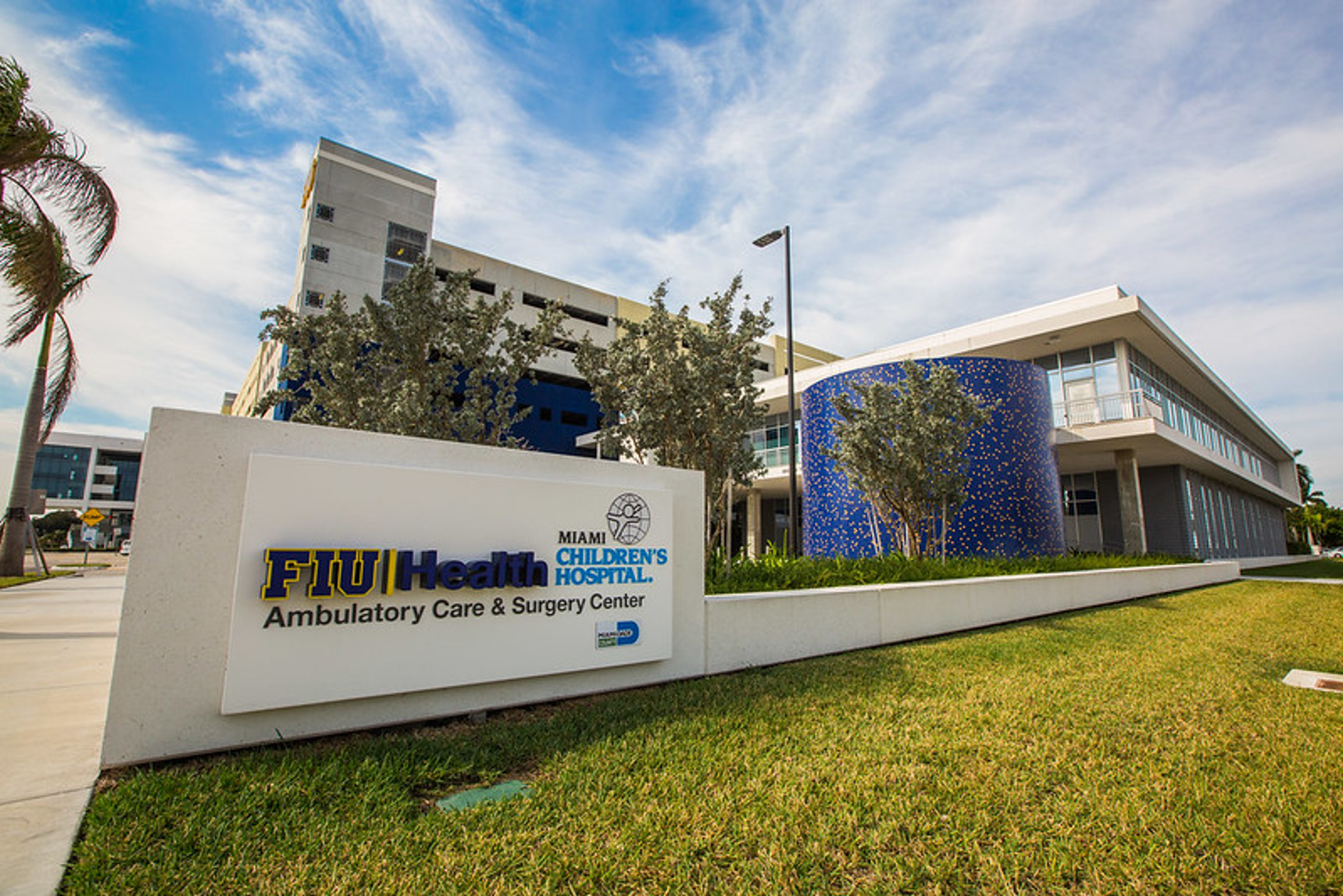
6. Florida International University Herbert Wertheim College of Medicine
- Location: Miami, FL
- Acceptance Rate: ~2.01% (2025)
- Average MCAT: ~511
- Average GPA: ~3.90
- Program: MD
- Focus: Community health and social determinants of health through service learning.
- Known for real‑world patient care experiences and immersion in diverse clinical settings.
Herbert Wertheim College of Medicine - Example Courses
- Human Biology
- Pharmacology
- Clinical Epidemiology
FIU’s emphasis on community-focused learning makes it a leader among Florida medical schools. The NeighborhoodHELP program provides students with hands-on experience addressing social determinants of health.

7. Lake Erie College of Osteopathic Medicine (LECOM) Bradenton Campus
- Location: Bradenton, FL
- Acceptance Rate: Not publicly published (estimated 6–8% based on DO trends)
- Average MCAT: ~502
- Average GPA: ~3.70–3.75
- Program: DO
- Strengths: Flexible pathways and problem‑based learning with primary care emphasis.
- Offers engagement with geriatric medicine and integrative clinical cases.
Florida Lake Erie College of Osteopathic Medicine - Example Courses
- Geriatric Medicine
- Integrated Clinical Experiences
LECOM’s flexible pathways and emphasis on primary care make it a top choice for osteopathic medicine. Students gain experience through its problem-based learning approach, emphasizing patient-centered care.

8. University of South Florida Morsani College of Medicine
- Location: Tampa, FL
- Acceptance Rate: Not officially published (estimated ~3.5–4%)
- Average MCAT: ~520 (median for incoming class)
- Average GPA: ~3.95
- Program: MD
- Highlights: Ranked Tier‑1 medical school with strong research opportunities and leadership training.
- Offers distinct pathways and concentrations tailored to healthcare professionals.
University of South Florida Morsani College of Medicine - Example Courses
- Molecular Medicine
- Cardiovascular Disorders
USF’s Morsani College of Medicine emphasizes leadership and innovation. Its SELECT MD program is tailored to developing future leaders in healthcare.
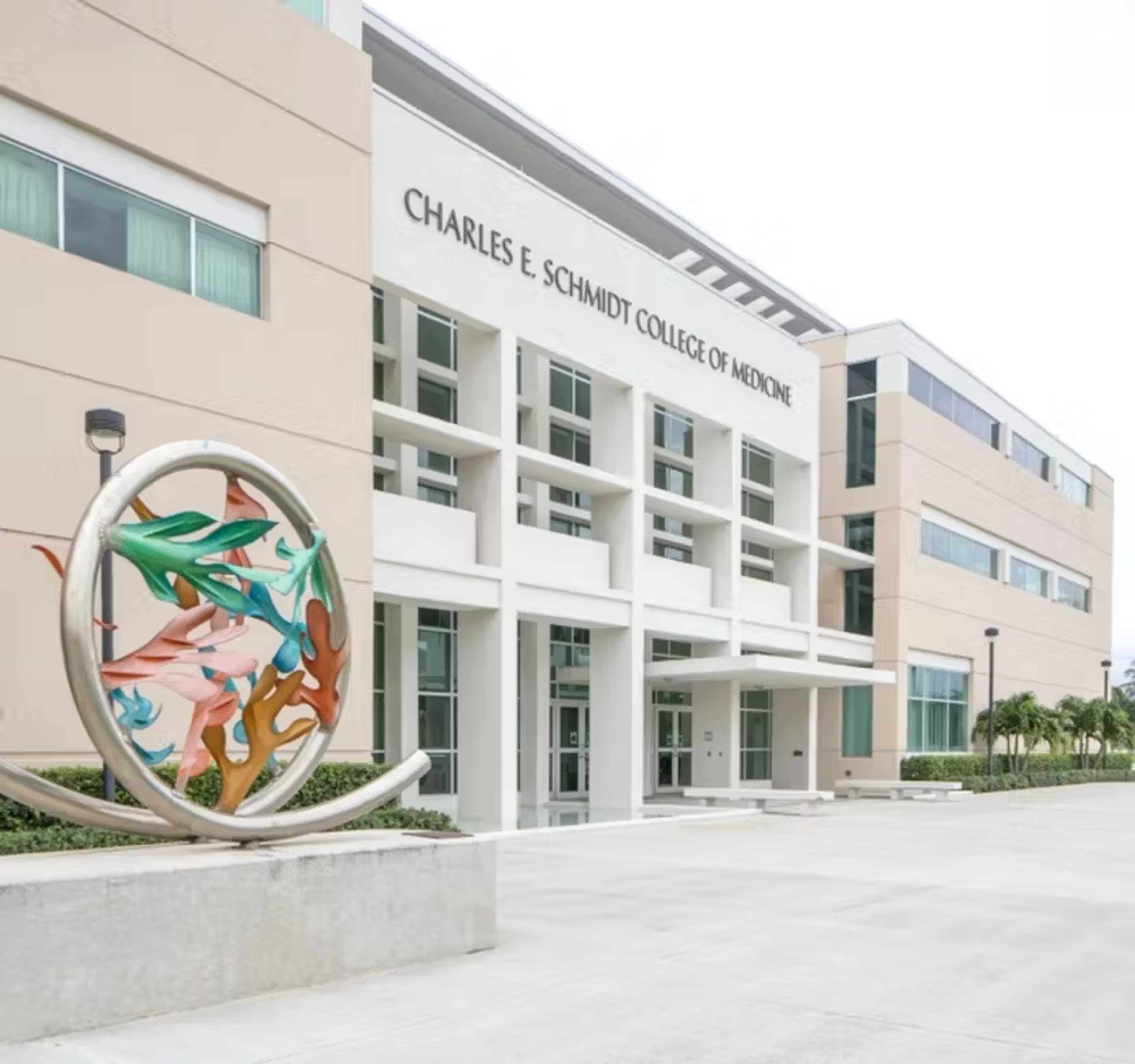
9. Florida Atlantic University Charles E. Schmidt College of Medicine
- Location: Boca Raton, FL
- Acceptance Rate: Not publicly published (competitive estimate ~3–6%)
- Average MCAT: ~513
- Average GPA: ~3.80–3.88
- Program: MD
- Features: Personalized education, clinical training with partner hospitals, and growing research programs.
Florida Atlantic University - Example Medical Courses:
- Clinical Neuroscience
- Population Health
Florida Atlantic University Charles E. Schmidt College of Medicine offers personalized training in small class sizes. Its partnerships with regional hospitals provide extensive clinical exposure.
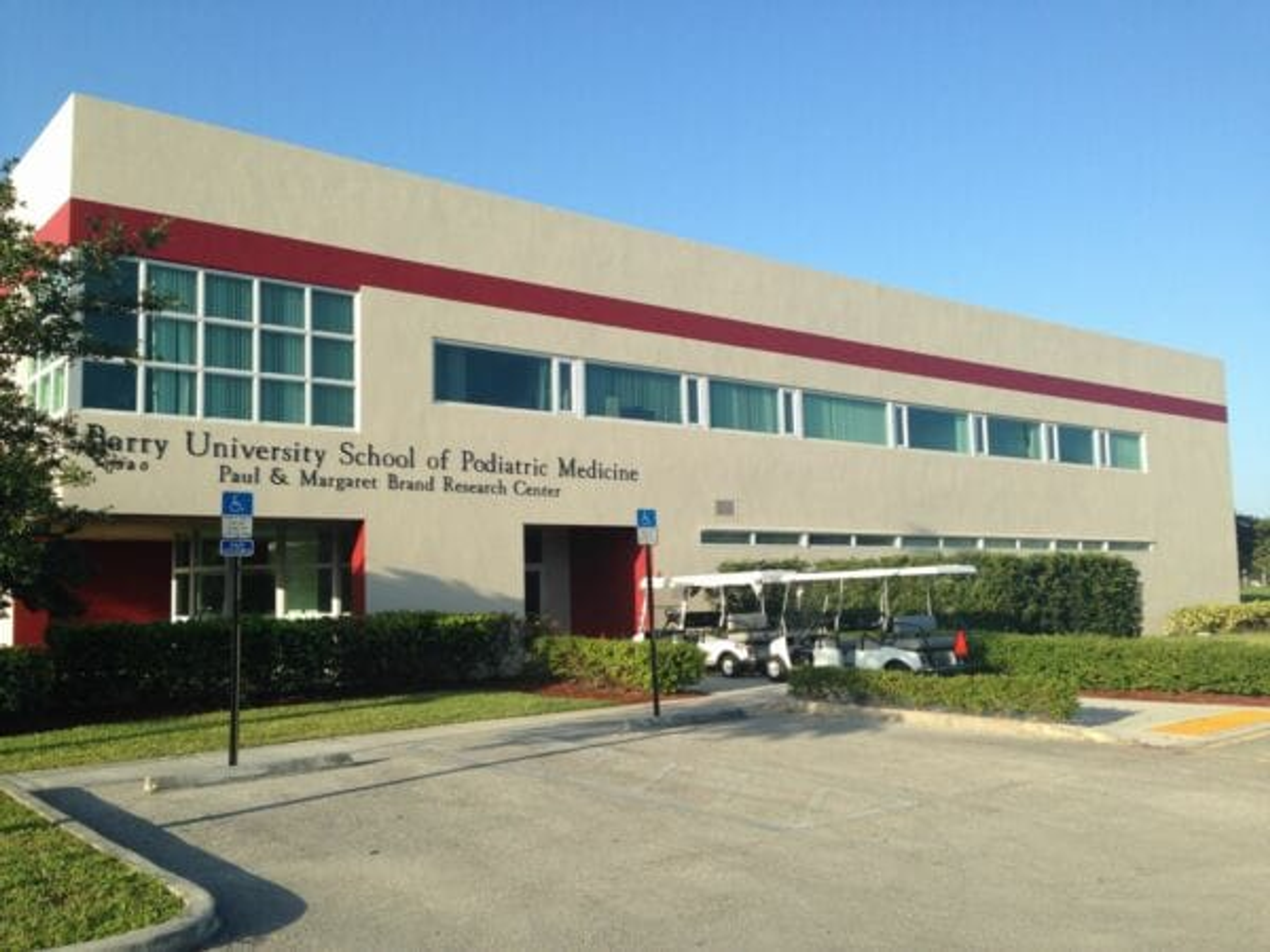
10. Barry University School of Pediatric Medicine
- Location: Miami Shores, FL
- Acceptance Rate: Specialized program (data not directly comparable to MD/DO)
- Average MCAT: ~502 (estimated for specialized track)
- Program: Podiatric medicine
- Best for students seeking specialization in lower extremity care and surgical training.
Barry University School of Podiatric Medicine - Example Courses
- Podiatric Surgery
Barry University specializes in podiatric medicine, making it an excellent choice for students pursuing lower extremity care.
Real‑World Student Insights (Reddit + Applicant Perspectives)
Applying to medical schools in Florida can feel overwhelming, but students who’ve been through the process share recurring themes that can give you a strategic edge:
1. Apply Broadly, Especially Across MD and DO Programs
Applicants on Reddit consistently recommend casting a wide net, especially in Florida, where both allopathic (MD) and osteopathic (DO) options are strong. Programs like Nova Southeastern (DO) and Lake Erie College of Osteopathic Medicine (DO) are often less competitive than UF or UM but offer strong clinical training and mission-driven education.
“If you're not set on MD vs DO, Florida has plenty of options that can give you great clinical experience with less brutal acceptance rates.” — r/BeMoPremed user
2. Don’t Underestimate Research & Clinical Exposure
Expert consultants like BeMo® highlight that strong MCAT scores and GPA are table stakes, but what often differentiates successful applicants is their depth of experience. That means:
- Sustained research work, ideally with a publication or presentation
- Meaningful clinical shadowing in diverse settings
- Hands-on patient interaction (volunteering, EMT, scribing)
Many Florida medical schools (especially UCF and UM) are research-driven, so having a research background, even if it’s not in hard sciences, can boost your fit.
3. Prioritize Community Engagement That Aligns With School Missions
Florida schools like FSU, FIU, and Nova emphasize serving underserved populations. Successful applicants often highlight:
- Long-term community service (not just one-offs)
- Leadership in health equity or advocacy
- Language skills (especially Spanish or Haitian Creole in South Florida)
- Experiences that show commitment to becoming a socially accountable physician
“FSU loved that I’d worked in rural clinics for 2 summers. Felt like that set me apart.” - Applicant quoted by BeMo®
Tactical Tip: Tailor your secondary essays and interviews to reflect these real student insights. Mention your alignment with specific school values, local population needs, and what kind of healthcare professional you’re working to become, not just stats.
Admissions Roadmap: What You Really Need to Know
Understanding how to stand out in Florida’s competitive medical school landscape means going beyond minimum stats. Here’s what top applicants and admissions experts prioritize:
MCAT & GPA Benchmarks (By the Numbers)
While exact thresholds vary, here’s what most Florida medical schools expect:
- Average MCAT: 510–515
- Average GPA: 3.7–3.9
Top-tier programs like UF and USF Morsani lean closer to the high end (MCAT 515+, GPA 3.85+), while DO programs like Nova and LECOM are more flexible (MCAT ~503–507). Still, strong academics alone won’t set you apart; schools want well-rounded, mission-aligned applicants.
Tip: Use MSAR and school-specific class profiles to see where your stats fall. Being above average helps, but a compelling story matters just as much.
Application Strategy (AMCAS, AACOMAS & Beyond)
Whether you’re applying to MD or DO programs, here’s a strategy playbook:
- Apply Early - Florida schools (especially public ones) tend to fill seats fast. Submit your primary application in June and secondaries within two weeks of receiving them.
- Write with Intention - Use secondary essays to connect your experiences with each school’s mission. This is especially crucial for community-focused programs like FSU, FIU, and FAU.
- Prep for Interviews Like a Professional - Practice both MMI and traditional interview formats. Be ready to articulate why Florida, why that school, and why medicine now.
- Highlight Impact - Go beyond listing shadowing or research, explain what you learned, how it shaped your goals, and how you’ll bring that perspective into their program.
In-State vs. Out-of-State: What Matters
In-state students often get preferential consideration at public medical schools like UF, FSU, USF, and UCF, especially if you’ve done community work or attended a Florida undergrad.
But out-of-state students still have a strong shot—if you show demonstrated interest, a strong connection to Florida, or alignment with the school’s mission (e.g., rural health, bilingual care, public health interest).
Tactical Tip: If you’re out of state, don’t overlook DO schools like Nova Southeastern or LECOM, they tend to be more open and still offer excellent clinical training
Key Takeaways
- Florida offers a diverse range of medical schools, catering to students pursuing specialties in fields such as primary care, surgery, research, and more.
- The best medical schools in Florida provide exceptional medical education, clinical training opportunities, and strong residency match rates.
- When choosing a medical school, it’s essential to consider factors like accreditation, research funding, clinical opportunities, and alumni success rates.
- For an overview of medical career paths and application tips, explore our guide: The Ultimate Guide to the Medical School Application
Where Can I Start?
Explore expert medical school admissions coaches for one-on-one assistance on your application, medical school interview, or selecting the right program. They’ve helped countless students gain admission to top programs, including those listed above. Also, check out medical school bootcamps and free events for more helpful insights.
See: The 10 Highest-Rated Med School Coaches
Top Coaches
If you're ready to begin your journey toward medical school, here are some additional resources to guide you:
- MCAT Score Range & Average of the T50 Medical Schools
- Top 15 Medical School Acceptance Rates & Class Profiles
- The 15 Easiest Medical Schools to Get Into
- Top 10 Medical Schools in the U.S.
- The 20 Best Medical Schools in the US (T20): Acceptance Rates, MCAT Scores, & GPA
- The Top 10 Medical Schools in Canada
FAQs
What is the #1 medical school in Florida?
- The University of South Florida (USF) Health Morsani College of Medicine is often considered the top medical school in Florida, with an average MCAT score of 520 and a GPA of 3.95.
How many medical schools are there in Florida?
- Florida is home to 11 allopathic (MD-granting) medical schools and several osteopathic (DO-granting) programs, making it one of the most medically diverse states in the U.S.
Is a 3.7 GPA low for med school?
- A 3.7 GPA is competitive for many medical schools, though top-tier programs often prefer GPAs closer to 3.8 or higher. However, other factors like MCAT scores, clinical experience, and personal statements also play significant roles in admissions decisions.
What is the average MCAT score for University of Florida Med?
- The average MCAT score for the University of Florida College of Medicine is 515, with an average GPA of 3.86.