Best MBA Programs for Tech: Top Schools, Jobs, and What to Look For (2025)
From Stanford to Haas, these are the top MBA programs for tech in 2025; plus job paths, salaries, and how to find the best program for your goals.
Posted November 27, 2025




Join a livestream
Learn from top experts and industry experts in live, interactive sessions you can join for free.






Table of Contents
Tech has become one of the most popular (and lucrative) career paths for MBA graduates. Whether your goal is to join a Big Tech firm like Google, Meta, or Microsoft, or you’re dreaming of building the next unicorn startup, the right MBA program can be your launchpad.
Today’s tech companies are hiring MBAs for product management, strategy, operations, and growth roles that demand leadership, analytical thinking, and cross-functional collaboration, skills baked into top MBA programs.
It’s not just about the roles. Tech also offers the kind of compensation and flexibility that rivals consulting and finance, but with a culture that often values innovation over hierarchy. In fact, at many top schools, over 25% of the MBA class heads into tech each year.
But here’s the catch: not all MBA programs are equally equipped to get you there. In this guide, we’ll break down the best MBA programs for tech, what companies recruit where, what courses and resources matter most, and how to choose a program that aligns with your career goals in the ever-evolving tech landscape.
Why Tech Is a Top MBA Career Path
Tech continues to be one of the most sought-after industries for MBA grads; not just because of the compensation, but because it sits at the intersection of innovation, impact, and scale.
At top business schools like Haas, Sloan, Booth, and Kellogg, upwards of 20–30% of the class go into tech roles. And it’s not just product managers. MBA hires land in strategy, operations, product marketing, growth, and biz ops, depending on their backgrounds and strengths.
So, what do tech companies actually look for when hiring MBAs?
- Structured problem-solving: Can you break down messy problems with clarity and logic?
- Cross-functional collaboration: Have you worked with engineers, designers, or legal teams?
- Bias for action: Can you make smart decisions with imperfect data?
- Customer obsession: Do you understand users and drive product/strategy accordingly?
- Clear communication: Can you write and speak with crisp logic and confidence?
If you’re making a pivot into tech, be ready to prove these skills through stories from your pre-MBA work, summer internship, or side projects.
What to Look for in a Tech-Focused MBA Program
Not all MBA programs are equally strong when it comes to launching tech careers, so choose your target schools based on real indicators, not just brand names.
Here’s what to look for:
1. Proven Tech Recruiting Pipelines
Ask for employment reports and look for actual offers at Amazon, Google, Microsoft, Meta, Salesforce, Apple, etc. It’s not just who visits campus, but who hires consistently.
2. Tech-Focused Career Support
Top programs have career coaches who specialize in tech, organize job treks to the Bay Area or Seattle, and provide prep for PM and case interviews. Bonus points if they offer resume workshops tailored to tech roles.
3. Curriculum That Goes Beyond the Core
Look for electives in product management, data analytics, AI/ML, platform strategy, and tech ethics. The best programs let you build a tech-relevant toolkit, especially if you’re coming from a non-tech background.
4. Student-Led Clubs That Open Doors
Join Tech Club, Product Club, or VC/Entrepreneurship Club. These are often your first touchpoints with alumni, recruiters, and real-world projects. Some even host conferences with speakers from Google, Netflix, and top startups.
5. Geography Still Matters
Schools located in or near tech hubs like Stanford, Haas, UCLA Anderson, Sloan, Foster, or even McCombs often have tighter alumni networks in the industry and more internship opportunities during the year.
Best MBA Programs for Tech Careers
Stanford Graduate School of Business (GSB)
- Acceptance Rate: 5.8%
- % of Grads Going Into Tech: 22%
- Median Base Salary: $180,000
- Top Hiring Companies: Google, Apple, Amazon, Meta
- Example Tech Classes:
- Startup Garage
- Data-Driven Impact
- Designing AI Products
- Tech-Focused Resources:
- Notable Alumni in Tech:
- Reed Hastings (Netflix)
- Kevin Systrom (Instagram)
- Marissa Mayer (Yahoo!)
Stanford GSB isn’t just close to Silicon Valley, but it’s also part of the ecosystem. Students don’t just study innovation, they live it daily through guest speakers, startup collaborations, and internships with leading tech firms. The program encourages bold thinking, and many students use their time at GSB to launch new ventures or transition into high-impact product or strategy roles at top tech companies.
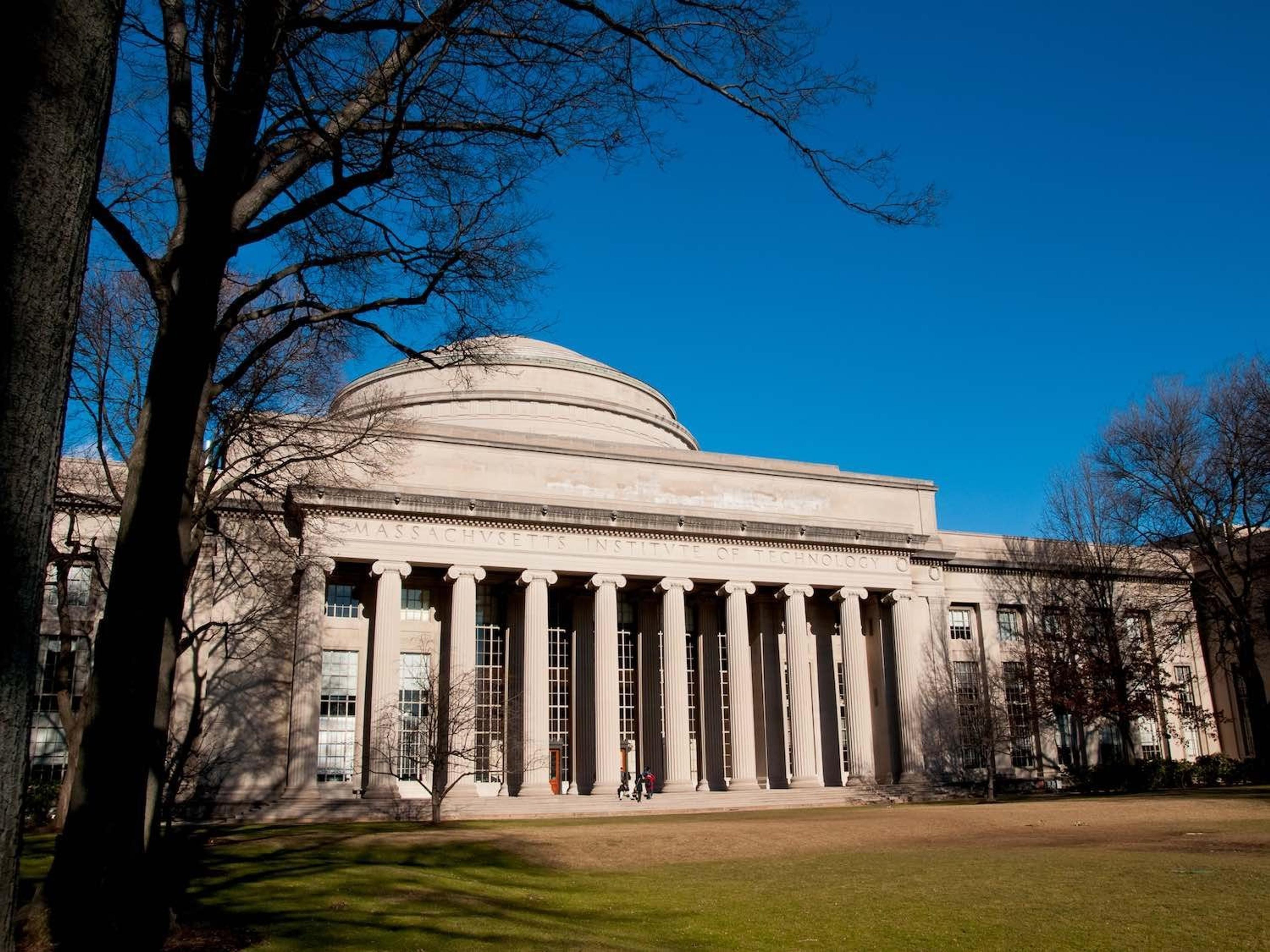
MIT Sloan School of Management
- Acceptance Rate: 8.1%
- % of Grads Going Into Tech: 19%
- Median Base Salary: $157,423
- Top Hiring Companies: Amazon, Google, Microsoft, IBM
- Example Tech Classes:
- Digital Product Management
- AI: Strategy and Applications
- Technology Sales and Marketing
- Tech-Focused Resources:
- Notable Alumni in Tech:
- Drew Houston (Dropbox)
- Robin Chase (Zipcar)
MIT Sloan integrates deeply with MIT's tech ecosystem, offering students hands-on experience through labs and competitions. The program is ideal for those aiming to lead in tech innovation and entrepreneurship.
UC Berkeley Haas School of Business
- Acceptance Rate: Approximately 13%
- % of Grads Going Into Tech: 24%
- Median Base Salary: $150,000
- Top Hiring Companies: Google, Amazon, Apple, Salesforce
- Example Tech Classes:
- Product Management
- Data Analytics
- Tech Strategy
- Tech-Focused Resources:
- Notable Alumni in Tech:
- Paul Otellini (Intel)
- Shantanu Narayen (Adobe)
Located near Silicon Valley, Haas offers strong connections to the tech industry, emphasizing innovation and leadership in its curriculum.
Harvard Business School (HBS)
- Acceptance Rate: 9.4%
- % of Grads Going Into Tech: 16%
- Median Base Salary: $165,000
- Top Hiring Companies: Amazon, Google, Microsoft, Facebook
- Example Tech Classes:
- Digital Innovation and Transformation
- Launching Technology Ventures
- Competing with Platforms
- Tech-Focused Resources:
- Notable Alumni in Tech:
- Bill Gates (Microsoft)
- Meg Whitman (HP, eBay)
HBS combines a general management curriculum with opportunities to specialize in tech through electives and clubs, supported by a vast alumni network.
Northwestern Kellogg School of Management
- Acceptance Rate: Approximately 30%
- % of Grads Going Into Tech: 20%
- Median Base Salary: $157,000
- Top Hiring Companies: Amazon, Google, Microsoft, Salesforce
- Example Tech Classes:
- Digital Marketing Strategies
- Product Management for Technology Companies
- Technology and Innovation Strategy
- Tech-Focused Resources:
- Notable Alumni in Tech:
- Brad Keywell (Groupon)
- Chris Galvin (Motorola)
Kellogg offers a strong focus on tech through its MMM dual-degree and a variety of electives, preparing students for leadership roles in technology firms.
Carnegie Mellon University – Tepper School of Business
- Acceptance Rate: Approximately 28%
- % of Grads Going Into Tech: 28.7%
- Median Base Salary: $142,800
- Top Hiring Companies: Amazon, Google, Microsoft, Dell, Salesforce
- Example Tech Classes:
- Product Management
- Machine Learning for Problem Solving
- Managing Analytics Projects
- Tech-Focused Resources:
- Swartz Center for Entrepreneurship
- Business & Technology Club
- Corporate Tech Treks
- Notable Alumni in Tech:
- Ketan Pandit (Google)
- John Thornton (Astrobotic)
Tepper’s edge in tech stems from its deep integration with Carnegie Mellon’s world-renowned engineering and computer science schools. The MBA offers unmatched analytical rigor and hands-on exposure to AI/ML applications, making it an ideal environment for aspiring PMs, data leaders, or entrepreneurs.
The Wharton School – University of Pennsylvania
- Acceptance Rate: 11.8%
- % of Grads Going Into Tech: 14.1%
- Median Base Salary: $162,750
- Top Hiring Companies: Amazon, Google, Microsoft, Meta
- Example Tech Classes:
- AI, Data, and Society
- Digital Marketing and Electronic Commerce
- Scaling Operations in Tech
- Tech-Focused Resources:
- Notable Alumni in Tech:
- Elon Musk (Tesla/SpaceX)
- Aneesh Chopra (First U.S. CTO)
While Wharton is often associated with finance, its tech pipeline is deep, particularly for students eyeing PM, strategy, or leadership roles at large platforms. Its San Francisco immersion and dual-degree options with Penn Engineering give MBAs serious leverage in breaking into product or startups. The Wharton brand opens doors in every major tech market, and the cross-campus ecosystem makes it highly adaptable to your career goals.
To help you refine your MBA strategy for tech, here are a few must-read articles:
- The Top MBA Programs in the US
- Tier 1, Tier 2, vs. Tier 3 Business Schools
- How to Get Into a Top MBA Program: The Expert Guide
- Full-Time MBA Program: Advantages & Disadvantages (2025)
- How to Choose an MBA Program — According to Former AdComs
University of Chicago – Booth School of Business
- Acceptance Rate: 12.3%
- % of Grads Going Into Tech: 14.8%
- Median Base Salary: $152,000
- Top Hiring Companies: Amazon, Apple, Meta, Microsoft
- Example Tech Classes:
- Data-Driven Marketing
- Strategic Leadership in Technology
- Building the New Venture
- Tech-Focused Resources:
- Notable Alumni in Tech: Satya Nadella (Microsoft CEO, MBA '97)
Booth combines a flexible curriculum with a powerhouse of entrepreneurial and analytical resources. The New Venture Challenge is one of the best startup competitions in the country, and Booth’s strong ties to Chicago’s emerging tech scene (plus Silicon Valley recruiting) give students multiple paths into product and innovation roles. Data-driven thinkers and strategic generalists thrive here.
NYU Stern School of Business
- Acceptance Rate: 25%
- % of Grads Going Into Tech: 9.1%
- Median Base Salary: $143,500
- Top Hiring Companies: Amazon, Google, Meta, Spotify, IBM
- Example Tech Classes:
- Tech Product Management
- Foundations of FinTech
- Managing Technological Innovation
- Tech-Focused Resources:
- Notable Alumni in Tech: Erika Irish Brown (Chief DEI Officer, Citi; formerly Bloomberg Tech)
Situated in the heart of NYC, Stern offers direct access to a diverse tech landscape, ranging from big tech offices to fintech, media, and healthtech startups. Its specialized Tech MBA is a fast track for engineers and business professionals targeting tech roles.
Stern’s ecosystem blends strong corporate connections with startup energy, and the school’s emphasis on EQ-driven leadership makes grads especially effective in cross-functional roles.
UCLA Anderson School of Management
- Acceptance Rate: 9.9%
- % of Grads Going Into Tech: 21%
- Median Base Salary: $142,000
- Top Hiring Companies: Google, Amazon, Microsoft, Snap, TikTok
- Example Tech Classes:
- Technology Management
- Digital Platforms
- AI for Business Strategy
- Tech-Focused Resources:
- Easton Technology Management Center
- Parker Career Management Center
- Tech Business Association at Anderson
- Notable Alumni in Tech:
- Susan Wojcicki (Former CEO of YouTube)
- Tony Xu (DoorDash)
If you’re looking to break into the West Coast tech ecosystem, Anderson is right in the thick of it. Proximity to LA’s booming tech scene (Silicon Beach), strong West Coast recruiter ties, and a collaborative culture make it a top choice for aspiring PMs, marketers, and ops leads. The Easton Center and numerous hands-on projects give students tangible experience that sets them apart.
University of Michigan – Ross School of Business
- Acceptance Rate: 29%
- % of Grads Going Into Tech: 15.1%
- Median Base Salary: $157,205
- Top Hiring Companies: Amazon, Google, Microsoft, Dell
- Example Tech Classes:
- MAP (Multidisciplinary Action Projects)
- Digital Product Management
- Technology and Operations
- Tech-Focused Resources:
- Notable Alumni in Tech:
- Kevin O'Connor (DoubleClick)
- Jeff Lawson (Twilio)
Ross's action-based learning approach, particularly through MAP, allows students to work on real tech projects, providing hands-on experience. The school's strong alumni network in tech and proximity to Detroit's growing tech scene offer additional opportunities.
Duke University – Fuqua School of Business
- Acceptance Rate: 22%
- % of Grads Going Into Tech: 12%
- Median Base Salary: $152,250
- Top Hiring Companies: Amazon, Google, Microsoft, Apple
- Example Tech Classes:
- Technology Strategy
- Innovation and Entrepreneurship
- Data Analytics
- Tech-Focused Resources:
Notable Alumni in Tech: Tim Cook (Apple CEO, MBA '88)
Fuqua's collaborative culture and emphasis on leadership prepare students for tech roles that require cross-functional teamwork. The Week-in-Cities program offers exposure to tech hubs, enhancing networking and job opportunities.
University of Texas at Austin – McCombs School of Business
- Acceptance Rate: Approximately 38%
- % of Grads Going Into Tech: 22%
- Median Base Salary: $139,500
- Top Hiring Companies: Amazon, Google, Dell, IBM
- Example Tech Classes:
- Technology Commercialization
- Information Management
- Product Management
- Tech-Focused Resources:
- Notable Alumni in Tech: Michael Dell (Dell Technologies)
Situated in Austin, Texas, a burgeoning tech hub, McCombs offers students direct access to a vibrant tech ecosystem. Programs like Texas Venture Labs provide experiential learning, bridging the gap between classroom and industry.
University of Washington – Foster School of Business
- Acceptance Rate: Approximately 42%
- % of Grads Going Into Tech: 47%
- Median Base Salary: $144,328
- Top Hiring Companies: Amazon, Microsoft, Google, T-Mobile
- Example Tech Classes:
- Technology Commercialization
- Data Analytics
- Product Management
- Tech-Focused Resources:
- Notable Alumni in Tech: Satya Nadella (Microsoft CEO, MBA '97)
Foster's location in Seattle places students in the heart of a major tech corridor. The school's strong ties with local tech giants and a high placement rate in tech roles make it a top choice for aspiring tech professionals.
Cornell University – Johnson Graduate School of Management
- Acceptance Rate: 30%
- % of Grads Going Into Tech: 11%
- Median Base Salary: $142,800
- Top Hiring Companies: Amazon, Google, Microsoft
- Example Tech Classes:
- Digital Technology Immersion
- Data Analytics
- Product Management
- Tech-Focused Resources:
- Notable Alumni in Tech: David Filo (Yahoo! Co-founder)
Johnson's Digital Technology Immersion program offers students a deep dive into tech, combining classroom learning with practical experience. The Cornell Tech campus in NYC provides additional opportunities in the tech sector.
Which MBA is Best for Your Goals?
There’s no one “best MBA”, there’s only the best MBA for what you want to do next. Below is a goal-aligned framework to help you think like a strategist, not just a school-chaser.
Want to Become a Product Manager?
Top Picks: Stanford GSB, MIT Sloan, Kellogg
- These programs offer deep integration with tech and product culture, through coursework, labs, and recruiting pipelines.
- Stanford sits in the heart of Silicon Valley and offers unmatched access to PM alumni at Google, Meta, and early-stage startups.
- MIT Sloan provides a quantitative and systems-thinking foundation, ideal for tech-first PMs.
- Kellogg’s MMM program (dual MBA + design innovation) is perfect if you care about user-centric product design.
Tip: Prioritize programs with strong ties to tech hubs and experiential learning (e.g., product labs, design sprints, PM internships).
Want to Land at Big Tech (Amazon, Google, Microsoft)?
Top Picks: Michigan Ross, UW Foster, UCLA Anderson
- Ross has a strong track record placing grads into Amazon, Google, and Meta, especially via its MAP program and tech clubs.
- Foster, located in Seattle, gives you direct proximity to Amazon and Microsoft, with early-access recruiting and company-sponsored events.
- UCLA Anderson taps into the LA tech scene (Snap, Google, YouTube) and offers dedicated career coaching for tech paths.
Look at each school’s employment report; focus on how many grads land in your target companies, not just general “tech” roles.
Want to Launch Your Own Tech Company?
Top Picks: Stanford GSB, MIT Sloan, Berkeley Haas
- Stanford gives you direct access to the VC ecosystem, founder-friendly electives (like Startup Garage), and peer networks of builders.
- MIT Sloan’s Martin Trust Center for Entrepreneurship is a goldmine for hands-on startup support and access to engineering talent.
- Berkeley Haas offers a strong entrepreneurial culture and proximity to Silicon Valley, plus UC Berkeley's broader innovation ecosystem.
Tip: Ask schools about seed funding, founder fellowships, accelerators, and how many student startups actually launch.
Want to Work in Data, AI, or Analytics-Driven Roles?
Top Picks: Carnegie Mellon Tepper, MIT Sloan, Wharton
- Tepper is known for its quantitative rigor and close ties to the AI and data science space, especially through CMU’s engineering school.
- MIT Sloan offers unparalleled exposure to AI applications in business, with cross-registration opportunities at CSAIL and action learning labs.
- Wharton has doubled down on analytics-driven business leadership, offering tracks in AI, machine learning, and business intelligence.
Look at how schools integrate AI into core courses, tech electives, and industry projects, and whether they offer access to research centers or data labs.
Get Help Choosing the Right MBA for Your Tech Career Goals
Applying to MBA programs will take your career in tech to the next level. But first you have to choose the one that fits your goals and aligns with the skills and experience you’re hoping to gather as you earn your MBA.
Finding the best program for your tech career gets easier with the help of an MBA admissions coach. No matter your goals, working with one of our coaches will set you up for success no matter where you end up.
Top Coaches
Read next:
- 15+ Affordable Online MBA Programs in 2025
- MBA Admissions Coaching — 2024 Geography Report
- 3 Things You Need for Successful Stanford MBA Essays
- The 25 Best 1-Year MBA Programs for 2025
- Is an MBA Worth It? Pros, Cons, and How to Decide
- Top MBA Programs for a Career in Consulting
- How to Write a Powerful MBA Essay—With Examples
FAQs About Tech-Focused MBA Programs
Which MBA is best for tech companies?
- Some of the top MBA programs for tech include Stanford GSB, MIT Sloan, UC Berkeley Haas, Kellogg, and CMU Tepper. These schools have strong placement into companies like Amazon, Google, Microsoft, and Meta, and offer great access to product management, data science, and strategy roles in the tech world.
Is an MBA worth it for a career in tech?
- If you're looking to pivot into tech from another industry or move into leadership roles like product management, operations, or strategy, an MBA can be a game-changer. It's especially valuable if you want to accelerate your career, expand your network, or move from a technical role into a business-focused one.
Which MBA is best for the IT field?
- If you're targeting IT or systems-focused roles, schools like CMU Tepper, UT Austin McCombs, and Georgia Tech Scheller have strong reputations for combining business education with deep tech fluency.
Can you get into tech with an MBA?
- Yes, and thousands do every year. An MBA gives you access to tech recruiting pipelines, prepares you to speak the language of both engineers and executives, and often includes hands-on experiences like internships, case competitions, and startup projects.
What is the best MBA for tech career changers or non-technical professionals?
- If you're coming from a non-tech background and want to pivot into the technology industry, focus on programs that emphasize business acumen, product management, and innovation strategy. Schools like Kellogg, Wharton, and NYU Stern (New York University) are strong options; they offer specialized tracks in business analytics, tech strategy, and operations management. These programs help MBA students build fluency in tech without needing a coding background.