Leland+ Content Library
Select a category




































Popular on Leland+
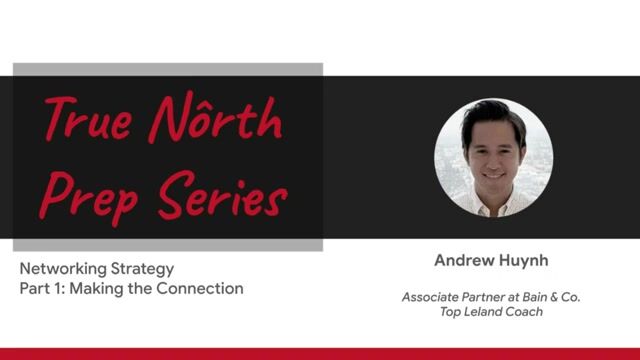
Networking Strategy: Making the Connection
Networking is not one-size-fits-all; your approach must shift based on how you enter the room. In this lesson you’ll learn how to maximize the "home court advantage" of campus events, how to professionally activate your existing network without being awkward, and the precise "low-friction" email scripts needed to turn a total stranger into a cold-lead conversion.


Everyone can code: How to set up your Claude Code
After this session, you'll have Claude Code running and configured so you can start using AI to write, edit, and automate code without a traditional engineering background. We'll cover how to install and authenticate Claude Code from scratch, how to structure your first prompts to get working output, and how to set up a project folder that keeps your work organized and repeatable.


From Tool Chaos to Output Leverage: Designing a personal AI productivity system that actually compounds output
AI tools are everywhere—but most people use them in fragmented, low-impact ways. In this session, ex-OpenAI and head of AI at Spotify Andrew Q. will break down how to move from scattered experimentation to a cohesive personal AI system that meaningfully boosts output over time. You’ll learn how to choose the right tools, design repeatable workflows, and build habits that compound productivity without sacrificing quality or focus.
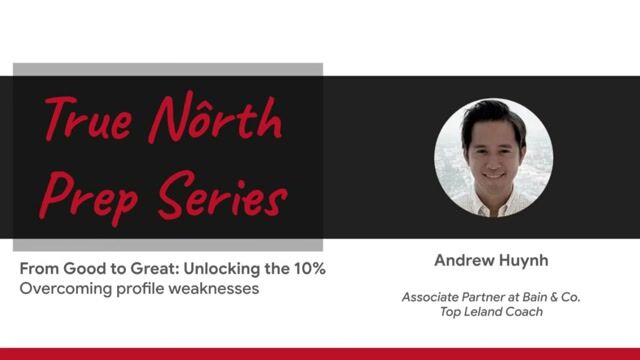
Overcoming Application Weaknesses
The "perfect" application is more often myth than reality. In this lesson, we tackle the reality of low GPAs, non-target backgrounds, and "light" work experience. You’ll learn tactical ways to "offset" these gaps—from leveraging high GMAT/GRE scores and specific certifications to networking your way into a partner-led referral that bypasses the automated screening bots.

The Five Most Important Geometry Equations to Know for the GRE
GRE Quant performance often comes down to quickly recognizing which formulas apply under time pressure. In this session, you’ll learn the five geometry equations that appear most frequently on the GRE, how to spot when each one is being tested, and how to apply them efficiently to avoid common traps. Designed for test-takers looking to boost accuracy and speed, this event focuses on practical strategies you can use immediately on exam day.

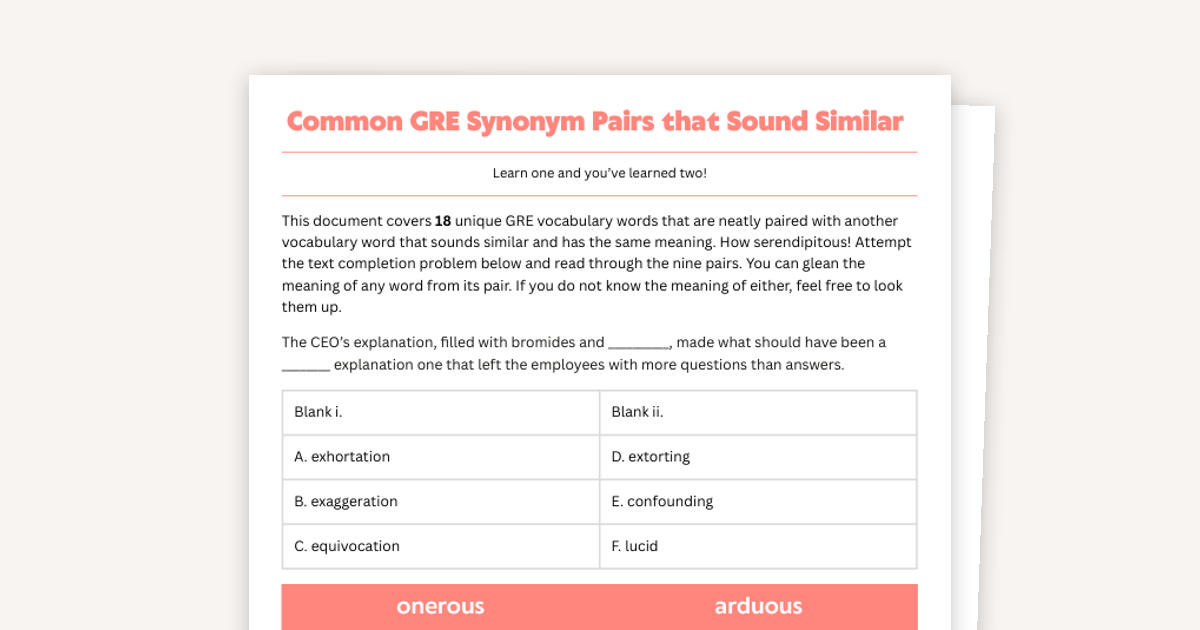
Common GRE Synonym Pairs
This document covers 18 unique GRE vocabulary words that are neatly paired with another vocabulary word that sounds similar and has the same meaning. How serendipitous! It also includes a two answer text completion practice problem for you to try.
Free
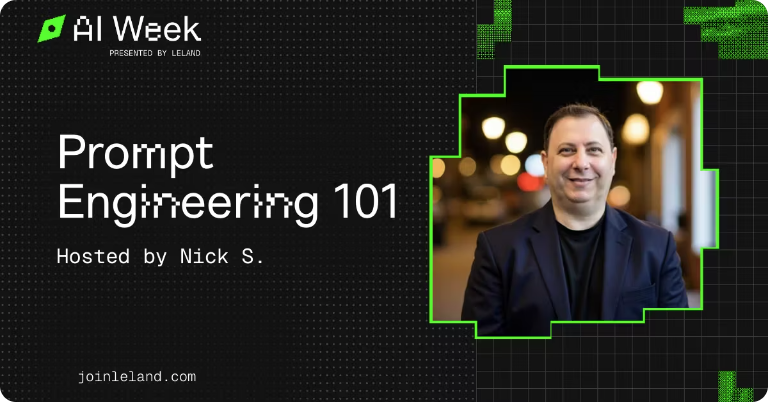
Prompt Engineering 101
Prompt engineering is a key skill for working effectively with AI tools—and knowing how to craft the right prompts can unlock better results. This session is designed to introduce strategies for creating clear, effective prompts and understanding how AI interprets instructions. You’ll learn techniques to guide AI outputs, avoid common pitfalls, and get more accurate, useful responses. Whether you’re just starting to explore AI tools or looking to level up your prompts, you’ll leave with practical tips you can use immediately.
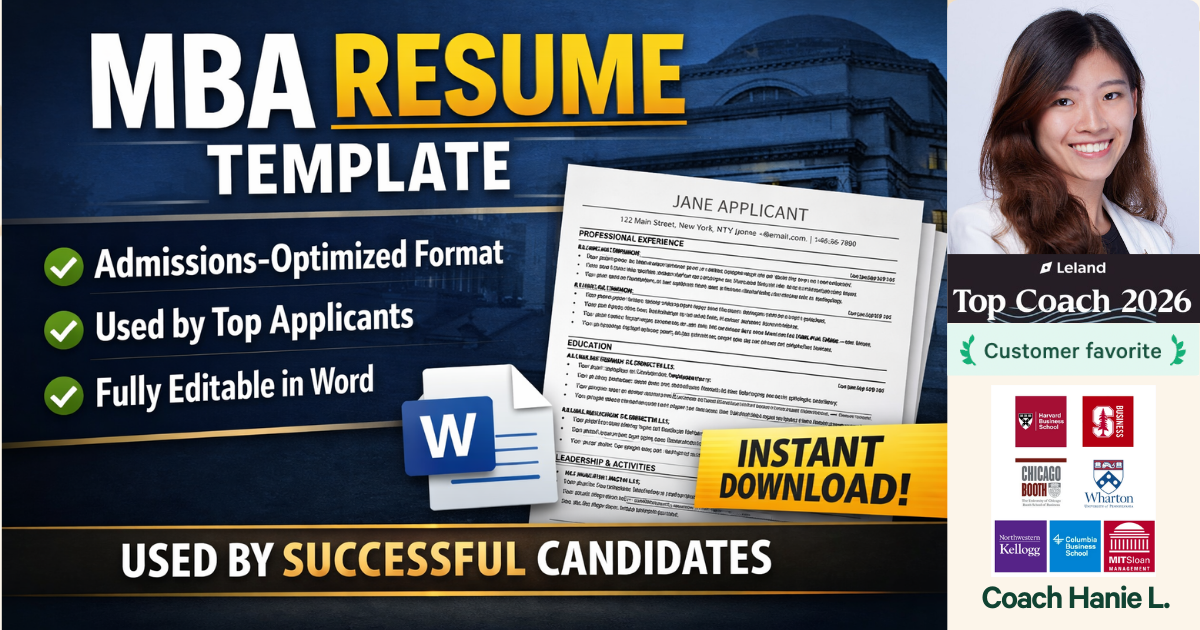
MBA Resume Template (Top School Format)
Admissions-Optimized Resume Format Used by Successful Applicants (Editable Word Doc Version)

How Admissions Committees Evaluate Extracurriculars
A behind-the-scenes look at how admissions committees evaluate student activities. Learn the five signals that help applicants stand out and how to demonstrate them in your application.

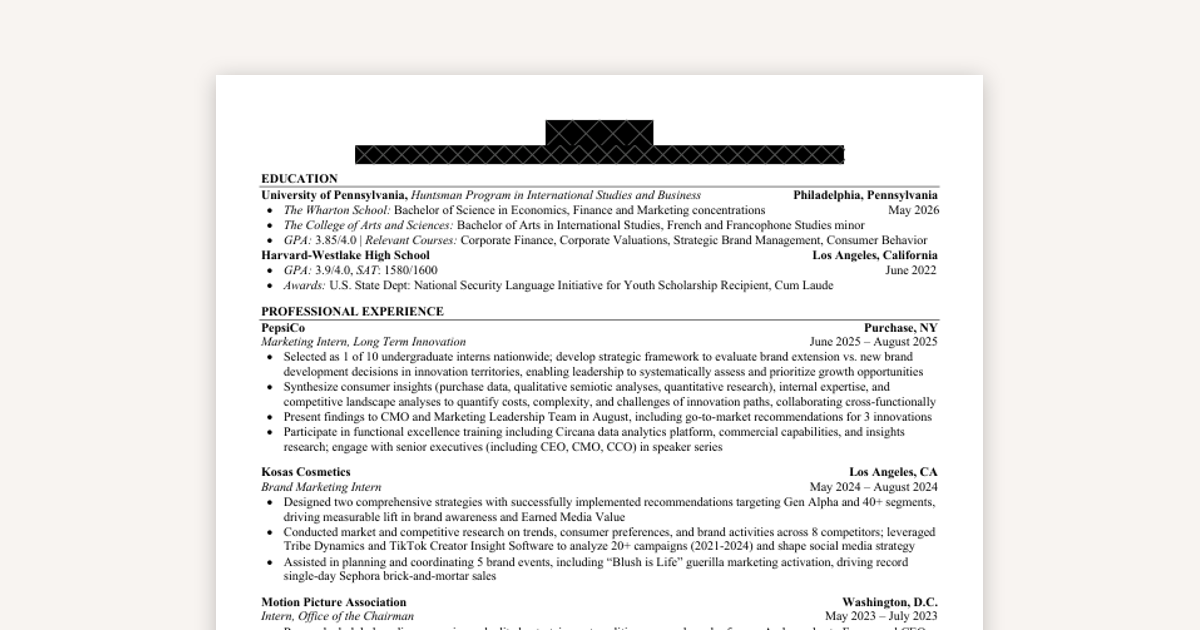
McKinsey, Bain, BCG Resume 2026 (NYC)
Resume from a college senior who received interview invites from McKinsey, Bain, and BCG in NYC for full-time roles and is an incoming BA at McKinsey

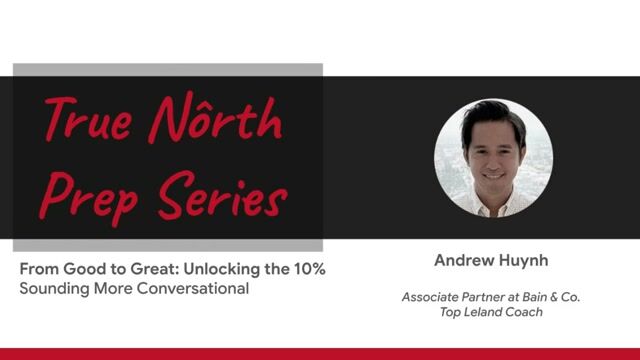
How to Sound More Conversational in Interviews
The fastest way to fail the "fit" check is to sound like you’re reading from a script. We teach you how to break the "robotic" habit, treating the interview as a working session with a friend or colleague rather than an oral exam, and projecting the "client-ready" confidence Bain partners expect.
Free
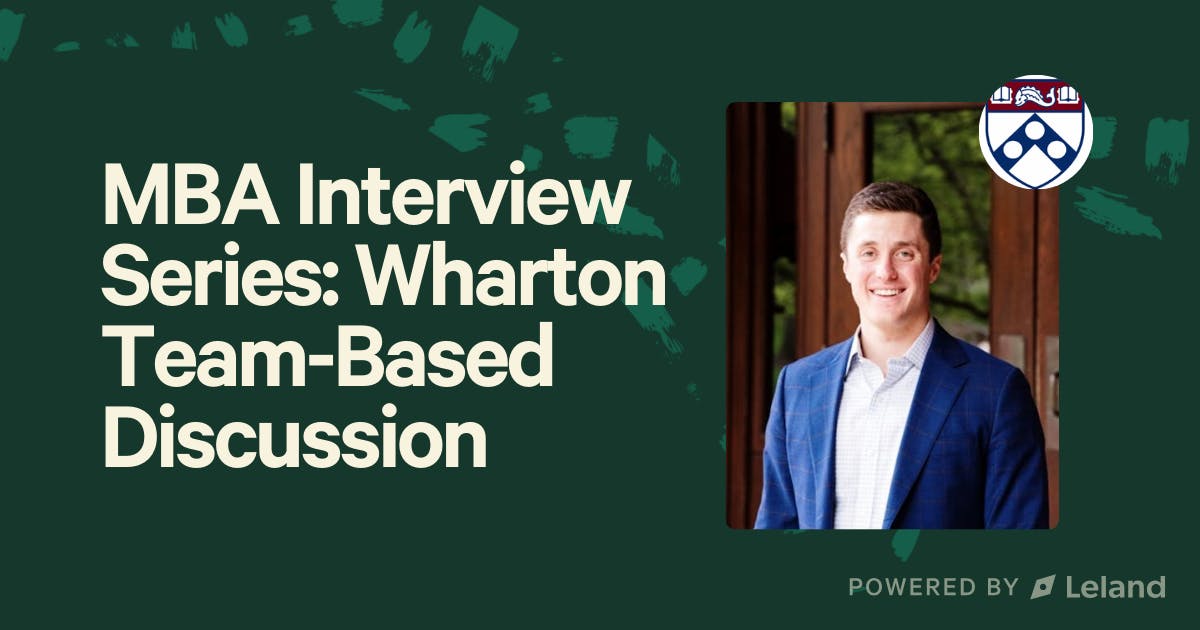
MBA Interview Series: Wharton Team Based Discussion
Wharton’s Team-Based Discussion is unlike any other MBA interview—and succeeding requires a distinct approach. This session is designed to help you understand the format and stand out in a collaborative, high-pressure setting. You’ll learn how to contribute thoughtfully, lead without dominating, and communicate your ideas clearly while elevating the group. We’ll also cover what Wharton evaluators look for and common mistakes candidates make. Whether you’re preparing for your first TBD or refining your approach, you’ll leave with practical strategies to perform with confidence.

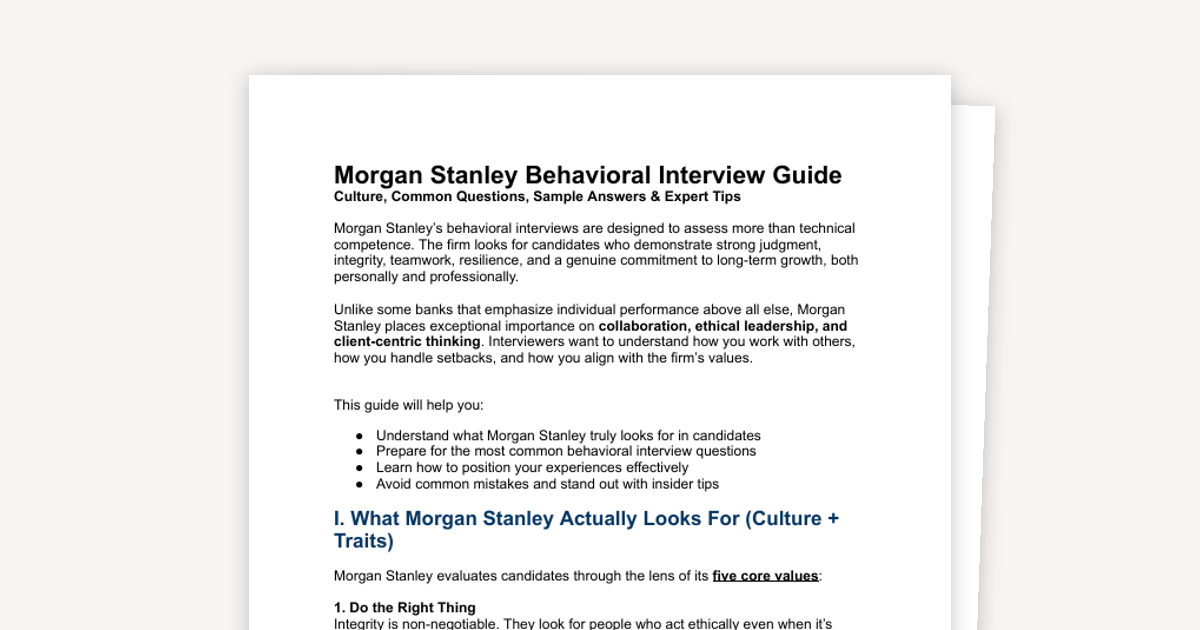
Morgan Stanley Behavioral Interview Guide
Real Questions. Insider Tips. Proven Preparation Strategy. This concise, practical guide gives you exactly what you need to prepare with confidence.

Specialists vs. Well-Rounded: What Colleges Want
Should students focus deeply on one interest or try many different activities? This guide explains how admissions committees think about specialization, exploration, and how strong applicants strike the right balance.

Geometry Sample Questions
Set a timer for 8 minutes and attempt these 5 GRE level geometry questions. This will be roughly the same amount of time per question you will have on the real GRE. Explanations are on the second page.

Making Big Pivots: Breaking into a New Industry
Thinking about a major career change but unsure how to make the leap? This session is designed for professionals considering a big pivot—and looking for a clear, strategic way to break into a new industry. In this panel, we’ll unpack what it really takes to successfully transition careers, from identifying transferable skills and reframing your experience to building credibility in a new field. You’ll learn how to tell a compelling career story, network with intention, and avoid the most common mistakes career switchers make. Whether you’re coming from consulting, finance, education, operations, or another background entirely, this session will give you practical frameworks and real-world strategies to help you pivot with confidence and land your next role.


Dental School Week Kickoff 2026
Dental School Week is here—and this kickoff session sets the stage for a week focused on navigating the dental school admissions process with confidence. Join us for an opening event designed to introduce the week’s themes and help you make the most of the events ahead. In this session, we’ll preview upcoming workshops, share how to approach the application journey strategically, and discuss what it takes to build a strong dental school application. Whether you’re early in the process or preparing for an upcoming cycle, this kickoff will help you start the week with clarity and momentum.


Extracurricular Secrets: What Colleges Actually Care About
A concise, insider guide that breaks down the most common misconceptions about extracurriculars and explains what admissions committees at selective colleges are actually evaluating. Designed for ambitious students and thoughtful families who want to build focused, high-impact profiles rather than guess their way through the process.
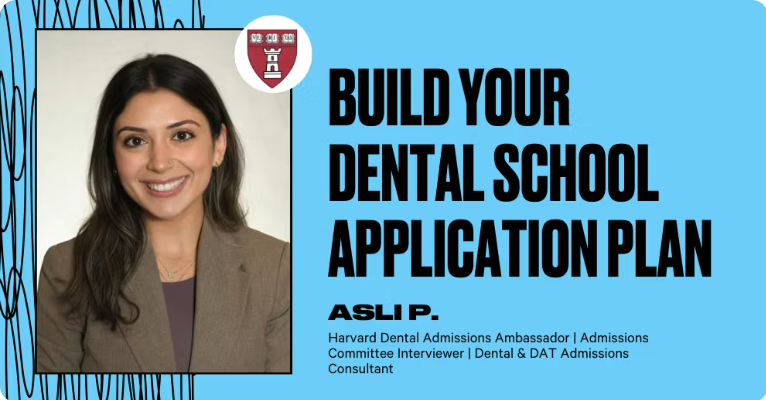
Build Your Dental School Application Plan
A strong dental school application starts long before you hit submit. In this session, you’ll learn how to map out your timeline, prioritize key components like shadowing, DAT prep, letters of recommendation, and personal statements, and build a strategy that strengthens your candidacy from start to finish. Whether you’re applying this cycle or planning ahead, you’ll leave with a clear, organized game plan to approach the dental school process with confidence.

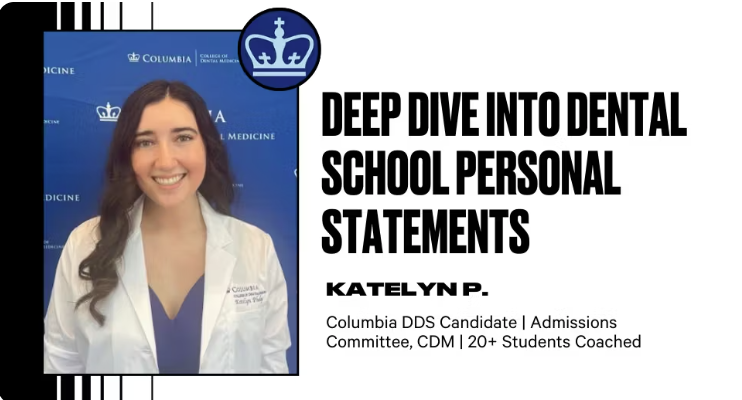
Deep Dive into Dental School Personal Statements
Your dental school personal statement can be the difference between an interview and a rejection—it’s where admissions committees assess your motivation, maturity, and fit for the profession. In this session, you’ll learn how to structure a compelling narrative, highlight meaningful clinical and service experiences, and avoid the common pitfalls that weaken otherwise strong applications. Whether you’re drafting your first version or refining a final draft, you’ll leave with a clear framework to communicate your story with clarity, authenticity, and purpose.